
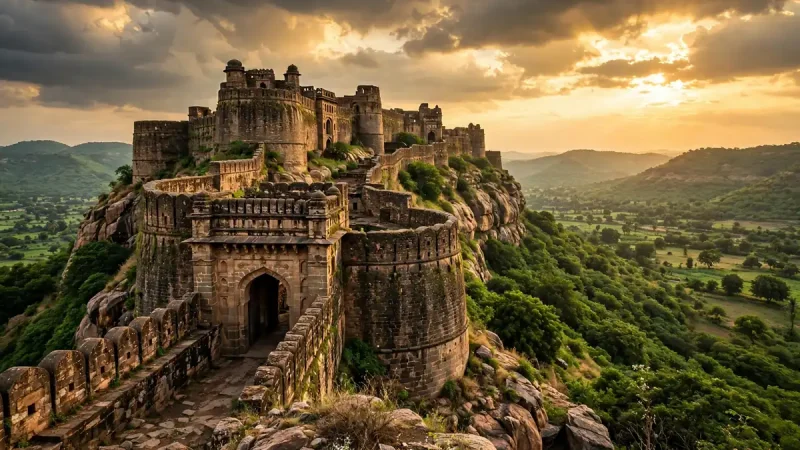

Here is what most visitors get wrong about Hyderabad: they see the Charminar, eat the biryani, and leave. Done. But talk to any local and they will tell you the real magic starts beyond the city limits. Ancient forts on impossible rocks. Temple towns wrapped in mist. A film city the size of a small town. I have stitched the best of it into a practical three-day loop — plus honest advice for when you only have one day. This is your regional overview of the nearby places to visit in Hyderabad, written like a friend handing you their actual itinerary.
How This Guide Works (Pick Your Trip Length)
Not everyone has three days, so let us be practical. If you have one day, do Day 1 below and skip the rest — it is the greatest-hits route. Got two days? Add Day 2 for nature and reservoirs. Have the full three days? Day 3 takes you deeper into temple country and hidden forts. Each day mixes history, food, and downtime, because nobody enjoys a death march.
A quick note on getting around: self-driving gives you the most freedom, and the highways out of Hyderabad are genuinely good. Prefer not to drive? App-based cabs handle single-day trips affordably, and plenty of operators run packaged day tours. For the far-flung spots, an overnight stay beats a rushed return. Trust me on that one.
Day 1: Forts, Film Sets, and the Greatest Hits
Start early — I mean actually early, 7 AM early. Your first stop is Golconda Fort, and you want to beat both the heat and the crowds. This was the seat of the Qutb Shahi dynasty, and it is genuinely spectacular: massive ramparts, clever acoustic design (clap at the entrance gate and hear it at the top — try it), and views that stretch forever. Give it two to three unhurried hours.
By late morning, head to Ramoji Film City. Yes, it is touristy. Yes, you should still go. It is one of the largest film studio complexes in the world, and the guided tours are pure fun — elaborate sets, stunt shows, gardens, and enough walking to justify lunch. Book tickets online beforehand to skip the entry queues, and wear your most comfortable shoes. You will thank me by hour four.
If you still have energy by evening, catch the sound-and-light show back at Golconda. The fort lit up at night, with its history narrated against the walls, hits differently after you have walked those same ramparts. It is the perfect bookend to day one. Then drive back into the city, find a good biryani spot, and sleep well — tomorrow is greener.
Love historic destinations? Pair this route with ideas from our guide to Mumbai’s cultural heritage and scenic attractions for your next trip. History buffs also enjoy our roundup of historic places to visit in Nepal.
Day 2: Hills, Water, and Breathing Room
Day two is about exhaling. Drive out to the Ananthagiri Hills, the closest real hill escape to the city. The road winds through forest, past coffee plantations and small streams, and the air genuinely feels cooler. There are treks for every fitness level — pick a short loop if you are casual, or go longer if you are keen. Either way, pack water and start before 9 AM.
Midday, swing by the ancient temple in the hills, then point the car toward Nagarjuna Sagar. The dam across the Krishna River is an engineering marvel, but the real treat is the reservoir — vast, blue, and calm. Boats ferry visitors to the island museum with its Buddhist relics, which is a lovely, unhurried hour. Photographers: the late-afternoon light on the water is gorgeous.
On the way back, if you time it right, stop at Pocharam Wildlife Sanctuary. Early mornings are best for birdwatching, but late afternoons work too — the reservoir draws migratory birds in season, and the forest feels wonderfully quiet after two days of sightseeing. It is the kind of place that reminds you to slow down.
Into nature-first travel? You will like our piece on camping scenarios for your next travel goal. And if hills are your thing generally, browse the best places to visit in Shimla, Kullu and Manali.
Day 3: Temple Towns and the Fort Nobody Visits
Day three goes deeper — literally and figuratively. Start at Yadadri Temple, the region’s biggest pilgrimage draw. The recent redevelopment is impressive: grand gopurams, polished stone courtyards, proper facilities. Go on a weekday if you can; weekends get packed. Even if you are not particularly religious, the scale and devotion on display are moving.
Next, drive to Keesaragutta. This one is special — ancient rock-cut shrines on a quiet hilltop, centuries old, with barely any crowds. It is the perfect antidote to Yadadri’s grandeur: small, serene, and atmospheric. Sit for a while. Places like this are why you came.
Then comes my favorite hidden gem: Koilkonda Fort. Most tourists have never heard of it, which means you will likely have the ruins to yourself. The climb passes old gateways and granaries, and the views from the top are superb. After that, swing by Bhongir Fort if your legs are willing — another monolithic-rock climb with a killer panorama. Two forts in one afternoon is ambitious, so pick the one that calls to you.
End the day at Medak, where the Gothic Revival church stuns everyone who sees it — it genuinely looks transplanted from Europe. Pair it with Medak Fort nearby and you have a perfect finale: history, architecture, and a sunset drive home.
Only Have One Day? Here Is the No-Regrets Shortlist
Okay, real talk: if you truly have just one day, do not try to cram in everything. Here is the shortlist I give friends, in order:
1. Golconda Fort (morning). Non-negotiable. The single best heritage site near the city.
2. Ramoji Film City (midday). Fun, easy, and completely different from the fort.
3. Golconda light show (evening). If it is running, end here. Magical.
Alternative: swap #2 for Ananthagiri Hills if you prefer nature over film sets. Both work; it depends on your mood.
One day done right beats three days done frantically. I would rather you love two places than blur through six.
Where Should You Eat Along the Way?
Let us talk food, because the Deccan does not mess around. In the city, you know the drill — biryani. But out on these routes, eat like a local. Roadside dhabas serve jonna rotte (sorghum flatbread), sarva pindi (a crispy rice-flour snack), and curries with real depth. Ask your driver or guide where they eat. That question has never once led me wrong.
Carry snacks and water, especially for fort climbs — there are rarely shops at the top, for obvious reasons. And here is a pro move: pack a small picnic for Pocharam or the Ananthagiri streams. Eating with a view beats any restaurant.
Sweet tooth? Pick up local sweets on your way back into the city. Double ka meetha travels well and makes excellent gifts. Your friends will think you are very cultured.
When Should You Actually Go?
October to February is the sweet spot — cool mornings, clear skies, perfect fort-climbing weather. This is also peak season, so book stays ahead on weekends. Monsoon (June–September) turns everything green and fills the reservoirs dramatically, but trails get slippery and some rural roads flood. Check conditions before you go. Summer (March–May) is brutal — if you must, do outdoor stuff before 10 AM and hide in temples (beautifully cool interiors) at midday.
Festivals are worth timing a trip around. Bathukamma and Bonalu fill the region with color, music, and flowers. Temple festivals add processions and night markets. Check dates before booking — they shift yearly — and dress modestly for religious sites regardless of season.
What Do Smart Travelers Pack for This Loop?
Learn from my mistakes. Here is the packing list I wish someone had given me:
Non-negotiables: broken-in walking shoes (fort steps are uneven), sunscreen, a hat, two liters of water per person, and snacks. Smart extras: a power bank (maps drain batteries), a light rain shell in monsoon, and binoculars for Pocharam. Photography: golden hour at any fort is unreal — plan one climb to end near sunset. And drones? Check local rules first; many monuments restrict them.
One more thing: download offline maps. Coverage is fine near towns, but the stretches between them can go quiet. A little preparation prevents a lot of U-turns.
Money Talk: What Does the Loop Actually Cost?
Good news — this is a budget-friendly region. Fort and temple entry fees are modest. Dhabas serve huge, delicious meals for very little. Your biggest expense will be transport: fuel if self-driving, or cab fares for day trips. Traveling with two or three friends splits that nicely.
For overnights, you will find everything from budget lodges to genuinely lovely heritage stays, especially around Warangal if you extend the trip. Book weekend stays in advance during peak season. And keep some cash handy — small towns and temple shops do not always take cards.
Should You Extend to Warangal, Bidar, or Hampi?
If you have extra days, absolutely. Warangal — the old Kakatiya capital — deserves a full day for the Thousand Pillar Temple and fort alone. Bidar offers stunning Persian-influenced architecture that feels completely different from Telangana styles. And Hampi? It is farther, but it is one of India’s great wonders — boulders, ruins, and sunrises you will never forget. Give it two full days minimum.
For trip-planning inspiration at a bigger scale, browse our review of the 1001 places to visit before you die book. Road-trippers will also enjoy places to visit by car from Bangalore to Mysore and places to visit in Udupi and Mangalore.
What I Wish Someone Had Told Me Before My First Trip
A few honest lessons from the road. First, fort fatigue is real — do not stack Golconda, Bhongir, and Koilkonda in a single day unless you genuinely love climbing. One fort per day keeps it joyful. Second, temple dress codes matter; carry a scarf or shawl and wear something covering knees and shoulders, and you will sail through every entrance. Third, guides are worth it at the big sites. The twenty minutes a local guide spends explaining Golconda’s acoustic tricks will teach you more than any plaque.
And one more: talk to people. The chai vendor near the fort gate, the priest at the small shrine, the family picnicking by the reservoir — these conversations become the stories you actually remember. The monuments are the excuse; the people are the trip.
After Dark: Do Not Skip the City Itself
Here is the thing — after three days out, Hyderabad city at night feels like a reward. The Charminar lit up, Hussain Sagar’s necklace road shimmering, late-night Irani chai — the city has a whole second personality after sunset. Check out our guide to the best places to visit in Hyderabad at night and give yourself one evening to just wander.
Travel is not a checklist, but if it were, this loop would be a pretty great one. Start with a single day trip. Let the Deccan do the rest.

