
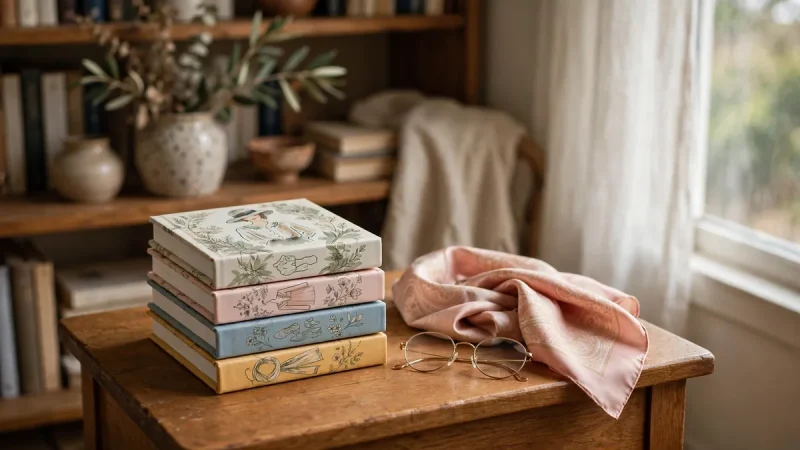

Some books shout from a coffee table, huge and glossy. Others whisper from a coat pocket, small and beloved. Little books of fashion belong firmly to that second family. They pack decades of style wisdom into palm-sized pages.
Why do these compact guides charm so many readers? Size plays a big part, honestly, in their appeal. You can finish one on a train ride downtown. Better still, you can revisit a favorite chapter in minutes. A small book asks little, yet it gives plenty back.
This guide explores the genre with warm, practical eyes. You will learn what these books usually cover inside. You will also learn how to build a small library. Finally, a few gift ideas will help you share them well.
What Exactly Are Little Books of Fashion?
Think of them as pocket mentors for your wardrobe. Most volumes in this genre stay slim and highly illustrated. Short essays sit beside sketches, photographs, and timelines. Readers dip in and out, rather than marching cover to cover.
Publishers love the format for good business reasons too. Small books feel collectible, giftable, and friendly on shelves. Series often group titles by designer, era, or theme. Owning three or four matching spines looks quietly satisfying.
Content usually blends history, biography, and styling advice together. One chapter might trace a famous silhouette through decades. Another might decode a house’s signature colors and fabrics. A third might offer care tips for treasured garments.
Curious about where older elegance fits into this story? Our journey through Titanic era fashion and timeless elegance pairs beautifully with pocket histories. Period chapters in small books often spark that same fascination. Small pages, it turns out, carry very large eras gracefully.
Why Does the Small Format Work So Well?
Attention is scarce, and these books respect that reality. Each spread delivers one clear idea, beautifully presented. Readers finish sections feeling informed, not overwhelmed or lectured. That gentle pace suits bedtime reading and busy mornings alike.
Illustration does heavy lifting inside every slim volume. A single sketch can explain drape better than paragraphs. Photographs, meanwhile, anchor abstract advice in real outfits. Your eye learns style grammar almost without noticing the lesson.
Portability adds another quiet superpower to the genre. A little book slips into tote bags and carry-ons easily. It waits patiently in waiting rooms and airport queues. Unlike a phone, it never buzzes, drains, or distracts you.
Gifting culture keeps the format thriving year after year. Small fashion books suit birthdays, graduations, and thank-you moments. They feel thoughtful without feeling risky or overly personal. Wrap one with a silk scarf, and the gift sings.
Which Topics Do These Pocket Guides Usually Cover?
Designer spotlights form the backbone of many series. Readers meet the founders, muses, and turning points briefly. Signature pieces get named, dated, and lovingly illustrated throughout. You finish knowing why a certain jacket still matters.
Era surveys offer another beloved flavor of the genre. A volume might sweep from corsets to miniskirts quickly. Fabric guides, by contrast, slow down and teach touch. They explain weave, weight, drape, and care in plain words.
Our romp through 70s glam rock fashion shows how one decade fills a volume easily. Glitter, platforms, and androgyny offer endless visual material. Pocket histories love bold decades for exactly that reason.
Practical styling chapters round out most collections nicely. Expect capsules on color pairing and wardrobe building basics. Accessory chapters teach proportion with scarves, belts, and jewelry. Some volumes even include checklists for seasonal closet edits. Small books, clearly, punch far above their page counts.
Want to Build a Small Style Library at Home?
Start with one anchor book about fashion history generally. That foundation helps every later volume make more sense. Place it somewhere visible, like a hallway console table. Visibility invites browsing, and browsing quietly builds taste.
Next, add one designer or house spotlight you admire. Choose a name whose clothes genuinely move you somehow. Admiration keeps you returning to those pages for years. Our roundup of the best fashion launches can spark ideas about current names. Current launches, after all, become tomorrow’s pocket history chapters.
Then balance the shelf with one practical styling guide. History inspires, but weekday mornings demand usable advice fast. A capsule wardrobe chapter can rescue rushed Mondays completely. Pair it with a fabric guide for smarter shopping trips.
Street style deserves a place in your library too. Browse our favorite Australian Fashion Week street style moments for modern inspiration. Real people styling real clothes teaches brave, joyful lessons. Pocket books often celebrate that same off-runway creativity warmly.
How Can You Read Them for Real Wardrobe Wins?
Reading passively entertains, but reading actively transforms closets. Keep a small notebook beside your current pocket volume. Jot one idea per chapter, in your own words. Later, test that idea with clothes you already own.
For example, a chapter on proportion might inspire experiments. Try tucking, belting, or layering differently one Saturday morning. Photograph each attempt quickly with your phone camera. Your future self will thank you for that honest record.
Regional trends add spice to this learning process too. Our look at why NFR fashion is dominating proves niche scenes teach universal lessons. Boots, fringe, and turquoise tell a confident styling story. Pocket books on regional dress capture that confidence perfectly.
Personal style grows through gentle repetition, not sudden overhauls. Revisit your favorite volume every season with fresh eyes. Notice which pages now feel obvious, and which still challenge. That shift quietly measures your developing fashion fluency.
Who Makes the Perfect Reader for These Books?
Beginners benefit first, because the format never intimidates anyone. Short chapters welcome readers with zero fashion background. Illustrations explain terms that glossaries make dull elsewhere. Confidence builds page by page, almost like a friendly course.
Seasoned dressers enjoy them for a different reason entirely. Experts love concise refreshers on eras they half remember. A slim volume also sparks ideas before big shopping days. Even stylists keep pocket references near their studio doors.
Travelers form another devoted tribe of happy readers. A little book about a city’s style scene enriches trips. Readers who love place-based books may enjoy our piece on the 1001 Places to Visit Before You Die book as well. Both genres reward curiosity in compact, browsable doses.
Gift givers, clearly, adore the genre most of all. Teachers, mentors, and stylish friends all suit these presents. Add a handwritten note naming one chapter you loved. That personal touch turns a small book into a keepsake.
How Can You Spot a Great Pocket Guide in a Shop?
Bookshops reward browsers who know a few quick checks. Flip to the middle first, not the glossy opening pages. Strong volumes stay interesting deep into the book itself. Weak ones spend their best material before page twenty.
Check the illustration quality with a critical eye next. Images should feel chosen, not merely decorative or random. Captions ought to teach something specific about each picture. A caption that only repeats the headline wastes precious space.
Timelines and glossaries signal a publisher who respects readers. A two-page chronology can anchor an entire era beautifully. Clear definitions, meanwhile, rescue beginners from confusing fashion jargon. Look also for suggested further reading near the back.
Finally, judge the physical object in your hands honestly. Does the binding open flat without cracking or protesting? Will the cover survive months inside a busy tote bag? Small books live hard lives, so sturdy construction matters.
- Flip to the middle and sample two full chapters.
- Check captions for real information, not decoration.
- Look for timelines, glossaries, and reading lists.
- Test the binding and cover for daily durability.
Which Shelf Companions Complete the Picture Perfectly?
Every tiny library benefits from one volume on icons. Icon books trace how certain faces shaped public taste. They explain why one haircut or dress echoed worldwide. Readers finish them seeing celebrity style far more critically.
Fashion cities deserve their own companions on the shelf. Paris, Milan, London, and New York each dress differently. A pocket guide per city sharpens travel and people-watching alike. Street photographs inside those volumes carry the real lessons.
Textile and craft titles add welcome depth over time. Understanding cloth changes how you judge every garment later. Weaving, embroidery, and tailoring chapters reward curious, patient readers. Your shopping eye grows stricter, kinder, and more confident.
Vintage-focused volumes round out a mature little collection. They teach dating clues, care rituals, and repair basics. Such knowledge turns flea markets into friendly hunting grounds. Suddenly, every rail of old clothing tells readable stories.
Can Digital Readers Enjoy This Genre Too?
E-reader editions exist for many pocket fashion titles today. Digital copies travel even lighter than the printed originals. Searchable text helps students find a quote in seconds. Highlighting, likewise, builds a personal style notebook automatically.
Still, print keeps one advantage screens rarely match. Illustrated spreads were designed for two facing pages together. Color fidelity also varies widely between devices and editions. Collectors, understandably, keep choosing paper for display shelves.
A hybrid approach suits many readers best in practice. Keep beloved, beautiful volumes in print at home permanently. Carry newer or cheaper titles digitally while traveling light. Your library then serves both your shelf and suitcase.
How Do You Care for Small Books So They Last?
Small books travel often, so they age faster than shelf giants. However, a few gentle habits keep them handsome for years. First, store them upright rather than stacked under heavier volumes. As a result, their slim spines stay straight and unbroken.
Sunlight, meanwhile, fades illustrated covers with surprising speed. Keep your little library away from bright window sills. In addition, dust pages lightly with a soft, dry brush occasionally. That small ritual takes minutes, yet it prevents gritty damage.
Travel calls for one extra layer of protection too. Slip your current read into a cloth pouch or sleeve. Consequently, keys and pens cannot scratch its cover inside bags. Many readers, in fact, dedicate one pouch permanently to books.
Finally, lend generously but lend with a bookmark inside. Write your name softly on the flyleaf before lending. Friends return marked books more reliably, in most people’s experience. Better still, lending spreads the genre’s charm through your circle.
What Makes a Thoughtful Gift Pairing With These Books?
Pairing elevates a small book from nice to unforgettable. For example, match an era volume with vintage-style gloves. Alternatively, pair a color guide with a bright silk scarf. The object illustrates the book, and the book explains the object.
Occasion matters as well when you choose a pairing. Graduation gifts, for instance, suit forward-looking style guides best. Birthday gifts, by contrast, can celebrate a favorite decade playfully. Meanwhile, thank-you gifts shine when small, elegant, and personal.
Handwritten notes complete the gesture more than ribbons do. Mention one chapter and why it reminded you of them. Consequently, the recipient opens that chapter first with real curiosity. In short, thoughtfulness scales better than price in this genre.
Ready to Start Your Own Tiny Collection?
Reading groups have quietly adopted the genre as well lately. One slim volume suits a monthly club meeting perfectly. Members finish it comfortably, then discuss favorite spreads together. Fashion talk, consequently, becomes sociable rather than solitary or intimidating.
Begin small, because the genre itself celebrates smallness proudly. Buy one volume that matches your current curiosity today. Read it slowly across a week of small moments. Notice which outfits in your closet suddenly look new.
Meanwhile, keep your wider style reading playful and varied. Our guide to fame fashion and staying ahead of the curve adds celebrity sparkle beside history. Variety keeps a library lively, shelf after happy shelf.
Share the habit with one friend this season too. Swap a favorite volume for a month, then compare notes afterward. Two readers always notice different treasures inside identical pages. Conversation, ultimately, doubles every small book’s already generous value.
Eventually, your little books of fashion will map your taste. Early volumes will show where your curiosity began years ago. Later ones will reveal bolder, surer, more personal choices. That record, honestly, is the real timeless style secret. Small books, big mirror, endless getting-ready inspiration ahead.

