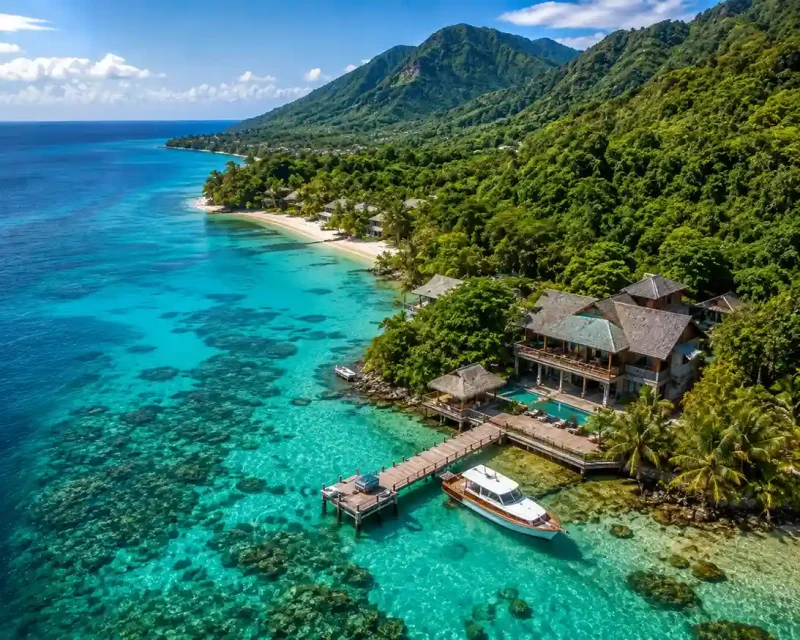

Unlike conventional overdeveloped resort islands, Guanaja represents a rare blend of seclusion, pristine ecology, and accessible property ownership. Whether you are seeking a private off-grid beachfront estate, a boutique eco-lodge site, or a waterfront home with direct canal and dock access, Guanaja real estate delivers high capital appreciation potential at a fraction of the cost found elsewhere in the Caribbean basin.
Whether you follow broader global resort investment trends on Mind Wave Rise Home or analyze executive organizational leadership in our Business Leadership & Management portal, strategic entry timing is essential for long-term equity growth. To explore cross-border property transactions, foreign ownership frameworks, and international real estate trade, visit our Global Trade & Logistics Analysis resource hub.
In this comprehensive 2,000+ word ultimate guide, we will break down everything you need to know about investing in Guanaja real estate. We will examine the island’s unique geography, compare its market dynamics against Roatán and Utila, outline foreign ownership laws in Honduras, analyze available property types, evaluate infrastructure developments, and provide a step-by-step roadmap for acquiring your piece of island paradise.
The Geographic & Ecological Allure of Guanaja
Guanaja is the easternmost of the Bay Islands archipelago, situated roughly 43 miles off the northern coast of mainland Honduras. Spanning approximately 18 square miles, the island boasts a dramatic topography that sets it apart from flatter Caribbean destinations. Soaring pine-covered ridges rise sharply from pristine mangrove bays, framed by coral reefs teeming with sea life.
Historically recognized as the first landfall of Christopher Columbus during his fourth voyage in 1502—who dubbed it the “Island of Pines”—Guanaja has preserved its tranquil, nature-first charm. With a local population of around 10,000 residents centered largely around Bonacca (a unique, high-density cay often called the “Venice of the Caribbean”) and quiet coastal settlements like Mangrove Bight, Sandy Bay, and Savana Bight, the main island remains remarkably uncrowded and lush.
A critical operational advantage of Guanaja over other Caribbean islands is its abundance of fresh water. Guanaja is home to the largest freshwater reservoir system in the Bay Islands, fed year-round by over 30 natural mountain springs and waterfalls such as La Cascada. For eco-resort developers and luxury residential estate owners, reliable access to natural fresh water significantly reduces long-term utility infrastructure expenses.
To analyze risk management frameworks in island property acquisitions and coastal hazard protection, explore our Risk Management & Asset Protection module. Learn how foreign real estate ventures scale operations in our Corporate Strategy & Growth Guide.
Why Invest in Guanaja Real Estate? Key Market Drivers
As traditional Caribbean hot spots like the Cayman Islands, the Bahamas, and Turks & Caicos reach saturation with soaring price points, savvy international investors are looking toward emerging markets that offer ground-floor entry opportunities. Here are the core factors driving interest in Guanaja property:
1. Exceptional Price-to-Value Ratios
Compared to Roatán or other popular Caribbean islands where prime beachfront land commands astronomical prices per square foot, Guanaja offers expansive acreage at competitive prices. Large tracts of coastal land—ranging from multi-acre beachfront parcels with natural springs to elevated ocean-view hillsides—remain available for private buyers and institutional developers.
2. Unrivaled Marine and Outdoor Recreation
Guanaja is surrounded by a protected marine park that forms part of the Mesoamerican Reef system. The island is world-famous among scuba divers, fly-fishing enthusiasts (targeting bonefish, permit, and tarpon on the vast flats), and sailors. Properties offering direct boat access or private deep-water docks command strong appeal for high-net-worth water sports enthusiasts.
3. The Rise of Sustainable Eco-Luxury Tourism
Global travel demand is shifting toward authentic, low-density, eco-friendly luxury destinations. Guanaja’s dense hardwood forests, waterfalls, and secluded coves make it an ideal setting for wellness retreats, off-grid eco-resorts, and sustainable private estates utilizing solar energy and rainwater harvesting.
For facility development insights regarding coastal real estate and island infrastructure development, visit our Commercial Real Estate & Infrastructure section.
4. Improving Accessibility and Regional Connectivity
Guanaja is accessible via domestic flights arriving at Guanaja Airport (GJA) from Roatán (RTB) and the mainland hub of La Ceiba (LCE), as well as via water taxis and private charters. As air transit connections across the Bay Islands continue to expand, visitor access and rental occupancy potential continue to rise.
Discover how smart solar microgrids, off-grid water filtration systems, and satellite communication networks are revolutionizing island living in our Future Tech & AI Innovations resource section.
Learn how big data and market analytics evaluate cap rates and rental yield forecasts in our Business Data Analytics & AI section. Review international property financing and cross-border currency strategies in our Corporate Finance & Budgeting guide.
Check out modern marine gadgets, solar storage battery banks, and satellite communicators in our Tech & Mobile Gadgets Guide.
Comparing Bay Islands Real Estate Markets
| Island Market | Development Density | Primary Property Types | Average Price Point | Target Investor Profile |
|---|---|---|---|---|
| Guanaja | Low (Undiscovered Frontier) | Large Beachfront Acreage, Eco-Estates, Canal Homes | Emerging / Value-Oriented | Eco-Developers, Land-Bankers, Secluded Luxury Buyers |
| Roatán | High (Established Commercial) | Luxury Condos, Resort Residences, West Bay Villas | Mature / Premium | Vacation Rental Investors, Retirees, High-Density Buyers |
| Utila | Moderate (Backpacker / Diving Hub) | Budget Cottages, Diving Lodges, Small Lots | Accessible / Moderate | Dive Operators, Small Business Owners, Lifestyle Buyers |
For more on shifting consumer preferences toward low-density eco-tourism, explore our Consumer Behavior & Retail Trends page. Track macroeconomic interest rate movements and international property demand in our Global Economy Trends index.
Foreign Property Ownership Laws in Honduras: What You Must Know
One of the key reasons international buyers feel confident investing in Guanaja real estate is the clear, legal framework governing foreign property ownership in Honduras. The Honduran Constitution and Foreign Investment Law protect foreign buyers, provided proper legal channels are followed:
1. Direct Individual Ownership (Up to 3,000 Square Meters)
Under Article 107 of the Honduran Constitution, foreign individuals can directly purchase and hold fee-simple title to one parcel of urban property up to 3,000 square meters (approximately 0.74 acres) for personal residential use.
2. Corporate Ownership (Unlimited Acreage for Development)
For investors seeking to acquire parcels larger than 3,000 square meters—such as large beachfront tracts, agricultural holdings, or commercial development sites—foreigners can establish a Honduran corporation (Sociedad Anónima or S. de R.L.). A Honduran corporation fully owned by foreign citizens can purchase, hold, and sell unlimited land acreage across Guanaja without size restrictions.
3. Fee-Simple Title and Guarantees
Real estate in the Bay Islands is transferred with fee-simple title (Dominio Pleno), granting the owner full ownership rights in perpetuity. Title registration is conducted through the national Property Institute (Instituto de la Propiedad), and title insurance is available through reputable international providers.
To read about sustainable green building design, off-grid architecture, and marine preservation programs, visit our Sustainability & Green Tech section. Master island project management workflows in Operations Management & Efficiency, and track real estate asset class performance in Market Analysis & Performance Tracking.
For strategic business advice on resort development, explore our Entrepreneurship & Business Growth section, read commercial industry updates in Commercial Industry Insights, or cultivate a island lifestyle in our Lifestyle & Strategic Mindset hub.
Primary Property Types Available in Guanaja
Guanaja offers a surprisingly diverse portfolio of real estate inventory catering to varying investment objectives and lifestyle preferences:
1. Raw Beachfront & Ocean-View Land Parcels
For visionary developers or land-banking investors, Guanaja features rare large-acreage parcels with thousands of feet of pristine beachfront, dramatic jungle topography, year-round streams, and elevated building sites overlooking the Mesoamerican Reef.
2. Canal-Front and Waterfront Homes with Docks
In areas like Sandy Bay and surrounding cays, charming waterfront residences feature private deep-water docks and direct canal access to the open sea. These homes are tailor-made for boaters, sport-fishing enthusiasts, and live-aboard sailors.
3. Eco-Lodge and Boutique Resort Properties
Established or turnkey resort properties cater to the dive tourism and fly-fishing markets. Operating an eco-lodge on Guanaja offers high room rates driven by specialized international clientele seeking world-class marine experiences.
4. Private Island Cays
For the ultimate luxury portfolio acquisition, small private cays surrounding the main island of Guanaja periodically come to market, providing an exclusive private retreat surrounded 360 degrees by crystal-clear Caribbean waters.
Essential Due Diligence Checklist for Buying Property in Guanaja
Acquiring island real estate requires diligent execution. Before signing a purchase agreement or wiring earnest money, complete this essential due diligence checklist with qualified local legal counsel:
- Verify Fully Registered Fee-Simple Title (Dominio Pleno): Ensure the property possesses clear, unencumbered fee-simple title registered at the Instituto de la Propiedad in La Ceiba, rather than possessory rights (Dominio Útil).
- Conduct an Independent Boundary Survey: Hire a certified Honduran surveyor to verify exact property boundaries, topography, high-water marks, and easement access on the ground.
- Check Environmental and Marine Reserve Restrictions: Confirm local zoning regulations and coastal setbacks established by the Bay Islands environmental protection authorities (such as ICF and local municipal offices).
- Assess Water, Power, and Dock Access: Identify whether the parcel has access to municipal power (ENEE), local microgrids, or requires a solar/battery setup. Verify freshwater spring access or rainwater collection capacity, and confirm dock permitting feasibility.
- Retain a Reputable Local Attorney: Work with an experienced bilingual real estate attorney specializing in Bay Islands transactions to draft contracts, handle escrow deposits, and perform comprehensive title searches.
Conclusion: Claim Your Stake in the Last Best Place in the Caribbean
Opportunities to acquire prime, undeveloped Caribbean real estate surrounded by thriving coral reefs, natural freshwater springs, and untouched rainforests are becoming exceedingly rare. Guanaja represents a remarkable convergence of natural beauty, price value, legal security, and long-term upside potential.
Whether you dream of constructing a private off-grid luxury sanctuary, building an eco-resort, or establishing a land-banking position ahead of future Caribbean growth, Guanaja real estate stands ready for your vision. Explore Guanaja today and claim your stake in this undiscovered Caribbean paradise!
Frequently Asked Questions (FAQs)
1. Can foreigners legally buy property in Guanaja, Honduras?
Yes. Foreign buyers can purchase up to 3,000 square meters (approx. 0.74 acres) directly as an individual, or acquire unlimited acreage by forming a fully foreign-owned Honduran corporation.
2. How do I get to Guanaja?
Guanaja is accessible via commercial flights arriving at Guanaja Airport (GJA) from Roatán (RTB) or La Ceiba (LCE), as well as via passenger ferries, private boat charters, and water taxis.
3. Is Guanaja safe for foreign retirees and property owners?
Yes. Guanaja is widely recognized as one of the safest, most peaceful communities in Central America, characterized by close-knit island neighborhoods, low crime rates, and a welcoming local population.
4. What currency is used for real estate transactions in Guanaja?
While the official currency of Honduras is the Lempira (HNL), real estate listings, sales contracts, and property transactions in the Bay Islands are almost universally conducted in US Dollars (USD).
5. What are the typical property closing costs in Honduras?
Closing costs in Honduras generally range between 5% to 6% of the purchase price, covering land transfer taxes (1.5%), legal notary fees, registration fees, and title search expenses.