

Halliburton Duncan Technology Center: Driving Innovation and Industry Excellence
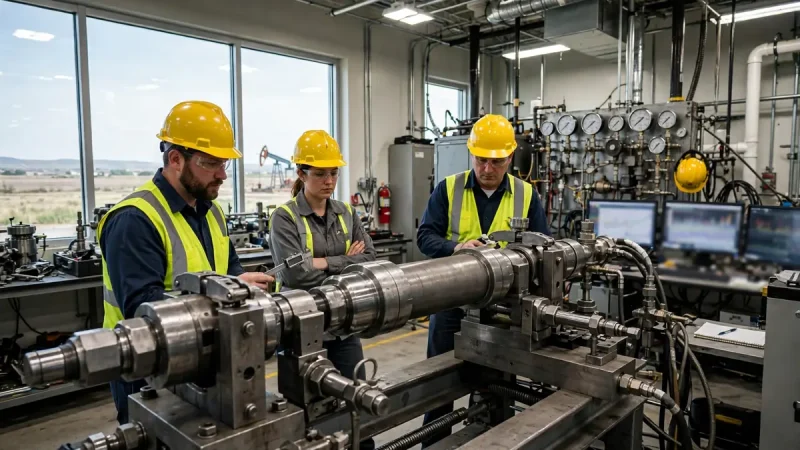
Picture a young engineer on her first morning in Duncan, Oklahoma. She walks past quiet streets and low brick buildings. Then she steps into a lab buzzing with pumps, screens, and test rigs. In that moment, small-town calm meets heavyweight energy research.
That contrast explains the charm of the Halliburton Duncan Technology Center. Big energy problems rarely start in glamorous places, after all. Instead, patient teams solve them in workshops, labs, and test bays. Workers break ideas here so wells work better elsewhere.
Maybe you found this name through a job post. Perhaps a teacher, mentor, or coworker mentioned Duncan during class. Either way, one question usually follows close behind. What actually happens inside a place like this?
Honestly, the short answer feels almost too simple. Smart people test tools, fluids, and software before field crews trust them. Behind that simple answer, though, sits a rich daily routine. Keep reading, because this story-led tour unpacks that routine step by step.
What Happens Inside an Energy Technology Center?
Think of a technology center as a rehearsal stage. Field operations are the live show, loud and unforgiving. Labs, by contrast, let teams rehearse safely and repeat mistakes cheaply. Consequently, engineers can push a tool until it fails.
Failure inside a lab teaches far more than success. A cracked seal on a bench reveals a weak design early. Similarly, a sensor glitch on screen exposes faulty logic fast. Crews then fix the flaw before anyone ships the gear.
Daily work often splits into a few clear streams. Some specialists mix and test fluids under heat and pressure. Others build downhole tools and run them through brutal cycles. Meanwhile, software folks study streams of data from test wells.
Curious about the wider pattern behind such hubs? Our look at simplified technologies and industrial growth shows how labs scale ideas. Simple systems, tested well, often beat flashy systems tested poorly. Duncan-style centers live by that plain rule every day.
Why Does Duncan Matter on the Energy Map?
Geography shapes this story more than outsiders expect. Duncan sits in Oklahoma, a state with deep energy roots. Generations of local families have worked in oil and gas. Therefore, technical know-how here feels lived, not imported.
Halliburton itself carries long historical ties to Duncan. Company histories describe Duncan as an early and lasting home base. However, you should confirm current site details on official Halliburton pages. Roles, teams, and programs can change without much public noise.
Local roots also change how a center feels inside. New hires often meet technicians with decades of hands-on wisdom. In fact, that mix of fresh theory and scarred knuckles matters. Books teach principles, while veterans teach judgment under pressure.
Does a smaller city limit ambition, though? Seasoned staff usually answer that question with a grin. Focus grows where distractions shrink, they will tell you. Plus, strong community ties keep talented people rooted for years.
Which Problems Do Engineers Chase All Day?
Energy work throws up stubborn problems in every direction. Wells run deeper, hotter, and harder than older wells did. Rocks behave unpredictably, and equipment must survive punishing conditions daily. As a result, testing grows more demanding every year.
Fluids offer a perfect example of hidden complexity. A drilling or cementing fluid must flow smoothly on demand. Yet that same fluid must also hold firm under pressure. Balancing those demands takes endless trials, tweaks, and careful notes.
Tools face an equally harsh checklist of demands. Sensors must read accurately while vibration shakes everything around them. Seals must hold while heat and grit attack constantly. For instance, one small leak can ruin an expensive run.
Software adds a third layer to the puzzle. Modern wells generate huge volumes of measurements every hour. Analysts therefore hunt patterns that warn crews before trouble starts. Readers tracking that shift may enjoy this personal story about PX technology and applied innovation.
How Does a Lab Idea Become a Field Tool?
Every field tool starts life as a rough sketch. Someone spots a recurring failure during a tough job. Next, that person writes the problem down in plain words. Clear problem statements save months of wasted effort later.
Design work follows, usually with plenty of healthy argument. Mechanical minds question materials, tolerances, and assembly steps aloud. Electrical minds question power, signals, and backup options too. Together, both groups shape a prototype worth testing honestly.
Testing then turns slow, methodical, and sometimes tedious. Teams log every run, including the embarrassing failures. Indeed, honest logs separate serious centers from showroom labs. A failed run, documented well, becomes tomorrow’s design shortcut.
Field trials arrive only after the bench work convinces skeptics. Crews test the tool on real jobs with close supervision. Feedback returns to Duncan, and designers refine the design again. Curious readers can compare this cycle with another technology hub story at 5801 Technology Blvd on our site.
What Should Students and Job Seekers Know?
Let us talk directly to students for a moment. Could a center like this shape your career path? Possibly, yes, especially if you enjoy applied problem solving. Pure theory rarely dominates the daily schedule here.
Employers in energy technology value a practical mix. Strong math and science foundations open the first door. Hands-on comfort with tools and instruments opens the second. Communication skills, surprisingly, often open the third and widest door.
Why does communication matter so much in a lab? Reports guide million-dollar decisions in distant field offices. A clear report can prevent a costly repeat failure. Conversely, a muddy report can bury a vital warning.
Job titles and openings change often in this industry. So check Halliburton’s official careers pages for current listings. Meanwhile, broader context helps too, like this overview of Tetra Technologies careers and salaries across energy services. Comparisons sharpen your sense of the wider job market.
Healthcare technology offers an interesting contrast for career changers. For example, Kestra Medical Technologies careers show innovation work in a different sector. Different products, sure, yet the testing mindset stays remarkably similar. Curiosity and discipline travel well between industries.
How Can Local Businesses Benefit Nearby?
A major technology center quietly lifts its hometown economy. Workers rent homes, buy trucks, and eat lunch locally. Visiting teams book hotel rooms during long test projects. Consequently, small suppliers and shops feel steady demand year-round.
Machine shops and logistics firms often gain the most. Prototype work needs custom parts on tight schedules. Local vendors who deliver reliably earn repeat business fast. Over time, that trust builds a small industrial ecosystem.
Schools benefit from the partnership side as well. Industry staff sometimes mentor students or judge science events. Students, in return, see real careers close to home. Such exposure can keep young talent in the region.
Still, responsible readers should avoid rosy assumptions here. Energy markets swing, and hiring follows those swings closely. Official company updates remain the safest source for expansion news. Local chamber pages also help verify current community programs.
Which Skills Keep Showing Up in This Work?
Patterns emerge when you study technology center roles closely. Troubleshooting sits near the top of nearly every list. Something always behaves oddly inside a complex test rig. Calm, structured diagnosis therefore beats panic every single time.
Safety awareness ranks just as high, without exception. High pressure, heavy parts, and hot fluids demand respect. Teams follow procedures because physics never grants second chances. In addition, good centers encourage anyone to stop unsafe work.
Data literacy now touches roles once purely mechanical. Technicians record readings, photograph wear, and flag odd trends. Supervisors then turn those records into design decisions. If data work appeals to you, explore legal IT support solutions for a related support angle.
Adaptability rounds out the core skill set nicely. A test plan can collapse by nine each morning. Priorities shift, parts arrive late, and results surprise everyone. Folks who adjust without sulking become quietly indispensable here.
Want a quick self-check before you apply anywhere? Ask yourself these honest questions during a quiet evening. Do I enjoy fixing things with my hands? Can I write clearly about what I observed? Would I speak up if a test looked unsafe?
What Should You Check Before You Visit or Apply?
- Firstly, confirm the exact program or role on official pages.
- Secondly, check whether visits require appointments or partner invitations.
- Thirdly, review role requirements against your real experience honestly.
- Also, prepare questions about safety training and mentoring support.
- Finally, verify travel and relocation details through official channels only.
That checklist sounds basic, yet many applicants skip it. Recruiters notice unprepared candidates within the first few minutes. By contrast, prepared candidates ask sharper and better questions. Preparation signals the same discipline labs demand daily.
Electric and digital shifts also shape future energy work. Our piece on how EVs are shaping urban commutes shows broader energy transitions underway. Technology centers must adapt as energy markets evolve around them. Similarly, these innovative smart home devices hint at sensor trends everywhere.
What Does a Typical Testing Day Look Like?
Mornings usually begin with a short safety huddle. Supervisors review the day’s tests, hazards, and staffing aloud. Crews then inspect rigs before anyone touches a valve. Careful starts prevent most accidents before they can happen.
Midday often belongs to long, patient test runs. Pressure climbs slowly while screens fill with fresh readings. Technicians watch gauges and listen for unusual sounds together. Sometimes, a strange noise matters more than any number.
Afternoons bring teardown, cleaning, and honest group review. Worn parts go onto benches for close visual inspection. Photographs capture cracks, scoring, and corrosion for later study. Consequently, tomorrow’s team inherits knowledge, not just leftover hardware.
Evenings can stay quiet, unless a test runs long. Energy research respects deadlines, yet physics sets its own pace. Staff therefore document progress before heading home each night. Clear handover notes keep night crews safe and informed.
How Do Centers Like This Keep Quality High?
Calibration routines keep measurement tools honest over time. Teams check sensors against known standards on fixed schedules. Drift, once detected, triggers repair or replacement right away. Reliable data starts with reliable instruments, simple as that.
Peer review adds another strong layer of protection. A second engineer checks calculations before major tests begin. Fresh eyes catch transposed numbers and missed assumptions regularly. In fact, humble review saves budgets and reputations alike.
Documentation standards tie the whole system together neatly. Every test carries a number, an owner, and a purpose. Results link back to the original problem statement too. Years later, new staff can retrace any decision quickly.
Training never really stops inside a serious lab. Veterans coach juniors through tricky setups, step by step. Juniors, meanwhile, teach veterans new software tricks in return. That two-way exchange keeps the whole center learning constantly.
Common Questions, Honest Answers
Is the Duncan center open for public tours?
Public access details can change, so verify before traveling. Industrial sites usually limit access for safety and security. Official Halliburton channels carry the most reliable visitor guidance. Never rely on old forum posts for access rules.
Which degrees lead into technology center roles?
Engineering, geology, chemistry, and computer science all appear often. However, skilled technician paths also matter a great deal. Many roles value certifications and proven hands-on experience highly. Check each posting for its specific education requirements.
Does lab work involve travel to field sites?
Some roles include field trials and customer site visits. Other roles stay mostly inside labs and offices. Job descriptions usually state travel expectations fairly clearly upfront. Ask during interviews if any detail feels vague.
How can a student prepare while still studying?
Build things, fix things, and document what you learn. Join robotics, science, or engineering clubs at school. Also, practice writing short and clear technical summaries weekly. Mentors notice students who communicate findings with real clarity.
Why Does This Kind of Center Still Matter?
Let us return to that young engineer in Duncan. Her morning walk ended at a bench full of problems. By evening, one small test may prevent a field failure. Multiply that scene across teams, months, and hundreds of projects.
That multiplication is the real story of this center. Innovation here rarely looks like a movie montage. Instead, excellence grows from logs, seals, sensors, and patience. Quiet, careful work keeps a loud industry running safely.
So, will you explore the official pages after reading? Start there, and compare roles, stories, and requirements carefully. Bring curiosity, bring discipline, and bring your best questions. Places like Duncan reward all three, year after year.

