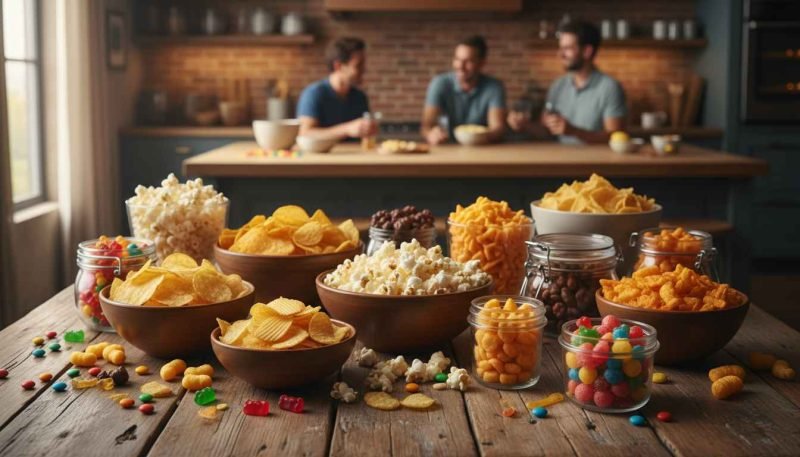

“An ounce of prevention is worth a pound of cure.” When it comes to enjoying snacks, this proverb is more relevant than you might think. National Snack Food Month is a celebration of those small, flavorful bites that bring joy between meals, yet the way we store, handle, and savor them often goes overlooked. Whether you’re a fan of crunchy chips, sweet cookies, or savory nuts, understanding the proper maintenance and care of your snacks ensures they stay fresh, flavorful, and safe to consume.
Before diving in, it’s worth noting that not all snacks are created equal. Many packaged snacks contain preservatives or additives designed to extend shelf life, while others – like artisanal or organic options – require extra attention to prevent spoilage. Maintaining quality isn’t just about taste; it’s about safety, texture, and maximizing the value of every bite. For organic flavorings, powders, syrups, and natural extracts that enhance your snacks, check out Nature’s Flavors, which provides pure ingredients to elevate your culinary experience.
Understanding Your Snacks
Maintenance starts with understanding what you have. Snacks fall into several categories:
1. Shelf-Stable Snacks
These include crackers, chips, granola bars, and dried fruits. They generally have a long shelf life, but exposure to moisture and heat can reduce their crispiness or cause clumping. Always store them in airtight containers, and avoid keeping them near the stove or in direct sunlight.
2. Perishable Snacks
Cheese sticks, yogurt-covered treats, and fresh fruit-based snacks fall here. These require refrigeration and should be consumed before their expiration dates. Use clear labeling in your fridge to keep track of freshness and avoid accidental spoilage.
3. Frozen Snacks
Items like frozen muffins, ice cream bites, or frozen fruit snacks need consistent freezing temperatures. Fluctuations can create ice crystals, affecting texture and taste. Store in airtight, freezer-safe containers and avoid repeated thawing and refreezing.
Storage Techniques for Longevity
Proper storage is crucial. Here are some simple, effective strategies:
Airtight Containers
Plastic, glass, or metal containers with secure lids prevent moisture, pests, and odors from infiltrating your snacks. For items that are particularly sensitive, consider vacuum-sealed bags.
Temperature Control
Always read the packaging for recommended storage temperatures. Shelf-stable snacks generally do well at room temperature, while chocolate, cheese-based snacks, and anything containing oils often fare better in cooler environments to avoid rancidity.
Rotation System
Use a first-in, first-out system: consume older snacks before opening new packages. This ensures nothing goes stale and reduces unnecessary waste.
Safety First: Always check expiration dates and inspect for mold, unusual smells, or discoloration. Even shelf-stable snacks can go bad if exposed to moisture or heat.
As pet owners increasingly seek natural and holistic approaches to their dogs’ diets, the topic of raw organ meat dog food is gaining attention for its potential health benefits. This nutrient-dense option offers a variety of advantages, including improved digestion, enhanced energy levels, and a shinier coat. It’s essential to understand that while commercial dog foods can be convenient, they often lack the vibrant nutrients found in fresh, whole foods. By incorporating raw organ meat into your dog’s diet, you may witness a remarkable transformation in their overall well-being. To learn more about the benefits and practical tips for introducing this superfood into your pet’s meals, check out our comprehensive guide on raw organ meat dog food.
Maintaining Flavor Integrity
Flavor is often the first casualty when snacks are improperly stored. Exposure to oxygen, moisture, or light can dull the intensity of natural flavors. For flavored snacks, storing them in opaque, airtight containers away from direct sunlight helps preserve the delicate notes. Additionally, using high-quality natural extracts and powders from Nature’s Flavors ensures that even homemade snacks maintain a robust, authentic taste over time.
Minimizing Cross-Contamination
Keep strongly flavored snacks separate from mild ones. For example, a spicy chip stored next to a sweet cookie can transfer flavors. Using individual containers or resealable bags is a simple yet effective method.
Handling and Serving
Clean hands are more than a courtesy – they prevent bacterial transfer. Use clean utensils or tongs for shared snacks. When serving, portioning into small bowls rather than letting everyone reach into the same package reduces contamination risk and keeps the remaining snacks fresher longer.
Transportation Tips
Whether packing snacks for work, travel, or school, ensure they remain protected. Use insulated bags for perishable items, and place delicate treats like cookies or crackers in sturdy containers to prevent crushing.
Potential Drawbacks
While snacks are delightful, overconsumption can be an issue. Many snacks, even natural ones, contain concentrated sugars, salts, or fats. Overindulging can lead to digestive discomfort or unintended weight gain. Additionally, improper storage can lead to spoilage, potentially causing foodborne illnesses. Always check ingredients for allergens if serving to guests.
DIY Snack Maintenance: Homemade vs. Store-Bought
Homemade snacks offer freshness and customization but often lack preservatives. They require careful storage, usually in the fridge or freezer, depending on the ingredient composition. Store-bought snacks, while convenient, often rely on packaging and preservatives to extend shelf life. Balancing both options allows for flexibility, taste, and safety.
Sealing and Freezing Homemade Snacks
Vacuum sealing can extend the life of homemade treats. For baked goods, freeze in single-serve portions to allow easy thawing without compromising texture. For savory snacks like roasted nuts, store in airtight containers in a cool, dark place.
Choosing Quality Snacks
Opt for snacks with clear ingredient labeling and minimal artificial additives. High-quality natural flavors, extracts, and concentrates enhance taste without introducing unnecessary chemicals. Nature’s Flavors specializes in these ingredients, making it easy to elevate homemade snacks and ensure they remain fresh and delicious throughout National Snack Food Month and beyond.
Who Should Avoid This?
Individuals with severe food allergies or sensitivities should always scrutinize snack labels. Children, pregnant women, and those with compromised immune systems need extra caution with perishable snacks. Additionally, those monitoring sodium, sugar, or fat intake may want to limit consumption, even of naturally flavored snacks.
Celebrating National Snack Food Month Responsibly
This month is about enjoyment, but it’s also about care and mindfulness. By understanding storage, handling, and flavor maintenance, you can make the most of your snack experience. Celebrate by trying new flavors, experimenting with natural extracts, or creating your own recipes, all while following these practical guidelines. Your taste buds – and your health – will thank you.
Remember, the key to a satisfying snack experience is balance: proper storage, mindful consumption, and a dash of creativity. Use this month to explore, savor, and maintain the integrity of your favorite treats.