

The Pros and Cons of Switching to a Fully Digital Payment Wallet
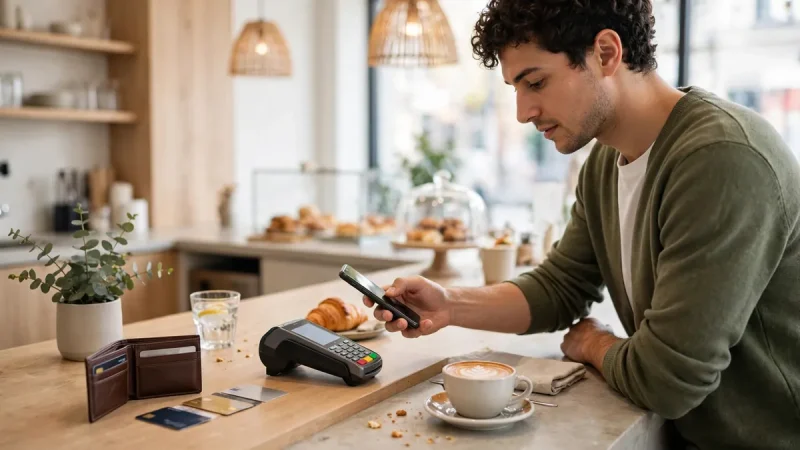
My wallet used to bulge with cards and receipts. Then one rainy evening, my phone paid for everything. Groceries, the ride home, and a coffee all tapped through. Honestly, the simplicity felt almost suspiciously easy.
Going fully digital sounds modern, tidy, and fast. However, deleting physical payment options changes daily life significantly. Therefore, this balanced guide weighs both sides carefully. No hype, no fear, and no invented fee claims.
The pros: why do people love going fully digital?
Convenience leads the list for almost every convert. Your phone is already in your hand anyway. Consequently, paying becomes a tap, a glance, a done. Queues, as a result, move noticeably faster.
Organisation improves in ways cash never offered me. Every payment lands in a searchable transaction history automatically. Meanwhile, budgeting apps can categorise spending without manual entry. Awareness, indeed, is the first step toward control.
Security features can be genuinely strong when configured well. Biometric unlocks tie payments to your face or fingerprint. Tokenisation, similarly, hides your real card number from merchants. Lost phones, therefore, can be frozen remotely within minutes.
Travel becomes lighter with a digital wallet too. You carry fewer cards through airports and unfamiliar streets. However, keep reading before you shred every backup card. Balance, after all, is the theme of this guide.
The wider finance world keeps moving this direction steadily. Platforms discussed in how fintech is transforming financial services show that momentum clearly. Digital-first habits, consequently, now shape mainstream banking expectations. Resisting entirely may eventually feel harder than adapting gradually.
Pro: your spending becomes visible and searchable
Cash disappears without leaving a polite paper trail. Digital payments, in contrast, record time, place, and amount. Therefore, mystery spending becomes much harder to sustain. Couples, consequently, argue less about forgotten purchases.
Search tools turn that history into useful insight quickly. Type a shop name and see your yearly total. Then decide whether that habit still deserves your money. Small revelations, indeed, change budgets more than lectures.
Alerts add another layer of everyday awareness too. A notification arrives seconds after each transaction completes. As a result, unfamiliar charges stand out almost immediately. Quick detection, therefore, limits damage from misuse significantly.
Investment-minded readers often track money with similar discipline elsewhere. For example, discussions around sustainable wealth growth and returns reward careful monitoring habits. Wallets, similarly, reward people who review statements regularly. Attention, in short, compounds across every financial decision.
Pro: fewer cards, less clutter, faster checkouts
A slimmer pocket genuinely changes how days feel. You stop fishing through loyalty cards at busy tills. Meanwhile, online checkouts autofill without typing long numbers. Speed, consequently, reduces small daily frictions everywhere.
Loyalty programmes also integrate more smoothly when digital. Points collect automatically instead of relying on forgotten cards. However, convenience can quietly encourage extra spending too. Awareness, therefore, must travel alongside every tap.
Person-to-person payments become almost effortless between friends. Splitting dinner no longer requires exact change negotiations. Instead, one request and one tap settle everything fairly. Friendships, indeed, survive better without money awkwardness.
Small businesses feel these shifts from the other side. This analysis of trade changes affecting small businesses shows how payment habits evolve. Digital acceptance, consequently, increasingly shapes customer expectations locally. Shops, similarly, adapt or risk losing impatient customers.
The cons: where can fully digital go wrong?
Dependence on a charged phone is the obvious weakness. A dead battery can strand your payment method completely. Meanwhile, physical cash works during almost any outage. Therefore, total dependence deserves honest, sober thought.
Acceptance still varies between places and situations noticeably. Some small vendors, markets, and rural stops prefer cash. In contrast, big city chains usually embrace digital fully. Travel plans, consequently, should reflect your destination honestly.
Privacy questions deserve serious attention from every user. Digital payments create data trails that cash never did. Companies may analyse patterns under their stated policies. Reading those policies, indeed, is boring but important.
Technical glitches also arrive at the worst moments. Apps update, connections drop, and verification codes delay inconveniently. However, most glitches resolve within minutes with patience. Backup options, therefore, turn crises into minor annoyances.
Crypto platforms illustrate both innovation and caution vividly here. The world of cryptocurrency exchange development promises speed but demands care. Digital wallets, similarly, reward users who understand their tools. Blind trust, in short, is never a strategy.
Con: security cuts both ways if habits slip
A phone concentrates your money, messages, and identity together. That concentration is convenient, but it raises the stakes. Therefore, strong passcodes and biometric locks are non-negotiable. Weak habits, consequently, undermine excellent built-in technology.
Phishing remains a threat that no wallet can eliminate. Fake messages imitate banks with alarming polish nowadays. However, official apps never need your full credentials by text. Pausing before tapping links, indeed, prevents most disasters.
Security audits matter across the whole digital finance ecosystem. This overview of cryptocurrency audits and compliance shows professionals verifying systems constantly. Personal users, similarly, should review account activity routinely. Vigilance, after all, scales from exchanges to individuals.
Shared devices create another underrated household risk factor. Children or guests might approve purchases surprisingly easily sometimes. Therefore, separate profiles and purchase confirmations protect family budgets. Settings, consequently, deserve ten careful minutes today.
Con: fees, limits, and terms hide in fine print
Terms differ widely between providers, countries, and account types. Some services charge for particular transfers or conversions abroad. Others limit amounts until identity checks are completed fully. Therefore, read current terms from the provider directly.
Never rely on old blog posts for fee facts. Providers update pricing and policies without much fanfare regularly. Instead, check the official help pages before big transactions. Verification, indeed, takes minutes and prevents surprises.
Financing products show how varied digital terms can be. Guides like flexible financing solutions explained stress reading conditions carefully first. Wallet users, similarly, should understand limits before travelling. Preparation, in short, beats apologising at a checkout.
Future-proofing is another angle worth a calm thought. Technologies like quantum-resistant cryptocurrency strategies plan for tomorrow’s threats today. Mainstream wallets, consequently, will also keep evolving steadily. Choosing reputable providers helps your setup age gracefully.
How to switch safely without going all-in overnight
Firstly, load one main card into your wallet. Secondly, use it for small, everyday purchases initially. Thirdly, review every notification and statement line carefully. Finally, expand only when the routine feels natural.
Keep one physical backup during your transition period. Tuck it somewhere safe, separate from your phone. Meanwhile, note emergency contacts for your bank beforehand. Redundancy, therefore, turns confidence into genuine resilience.
Try this two-week experiment before deciding fully. Pay digitally everywhere that reasonably accepts it daily. Then list every moment the system failed you. Finally, judge the evidence instead of the hype.
Talk with your household about the change openly. Shared accounts and family budgets need shared understanding first. However, one enthusiastic partner should not force instant adoption. Consent, indeed, keeps household money peaceful and organised.
Who should wait before going fully digital?
People in areas with patchy connectivity should wait. Frequent outages turn digital dependence into daily frustration quickly. Similarly, anyone uncomfortable with smartphones will struggle unnecessarily. Comfort, consequently, is a legitimate financial consideration too.
Cash-based workers may also prefer a hybrid approach. Tips and informal income flow naturally through cash still. Therefore, forcing everything digital can complicate simple routines. Practicality, after all, should outrank trendiness every time.
Anyone rebuilding financial discipline might pause as well. Frictionless spending can weaken carefully rebuilt habits surprisingly fast. In contrast, cash envelopes create deliberate, visible limits. Choose, therefore, the system that protects your goals.
What does a hybrid setup look like in practice?
Most sensible switchers land somewhere in the middle happily. Their phone handles daily spending, subscriptions, and travel bookings. Meanwhile, one card and small cash stay in reserve. Therefore, convenience and resilience coexist without much effort.
Review that setup every few months as habits evolve. A service you trusted may change its terms quietly. Similarly, a new job may change your spending patterns completely. Reviews, consequently, keep the system matched to real life.
Keep your wallet app updated through official stores only. Updates often patch security issues and improve reliability noticeably. However, avoid sideloaded versions from unfamiliar websites entirely. Official channels, indeed, are the safest route always.
Teach older family members patiently if they feel curious. Show them one small purchase first, together, calmly. Then let them practise with support nearby afterwards. Confidence, as a result, grows faster than lectures.
How do digital wallets affect budgeting psychology?
Tapping feels painless, and that painless feeling matters greatly. Cash creates a small emotional pause before spending occurs. Digital payments, in contrast, remove almost all friction deliberately. Therefore, budgets need replacement guardrails when friction disappears.
Weekly spending reviews can restore that missing pause artificially. Open your history every Sunday with coffee in hand. Then flag anything that surprises or disappoints you honestly. Awareness rituals, consequently, rebuild the discipline cash once enforced.
Spending categories inside apps also reveal patterns painlessly. Transport, food, and entertainment totals appear without manual spreadsheets. Meanwhile, trends across months become impossible to ignore politely. Data, indeed, argues more persuasively than guilt.
Some people set personal rules around digital spending deliberately. For example, they wait overnight before non-essential online purchases. Others move savings immediately whenever payday arrives first. Rules, in short, replace friction with intention successfully.
The balanced verdict on digital payment wallets?
Fully digital works brilliantly for many organised, connected people. It offers speed, records, and strong configurable security daily. However, it demands charged devices, acceptance, and careful habits. Trade-offs, in short, are real on both sides.
My own setup is digital-first, but not digital-only. One backup card still lives quietly at home safely. Meanwhile, a little emergency cash sleeps in a drawer. That balance, consequently, gives me convenience without fragility.
One final scenario deserves a mention before you decide. Imagine your phone breaks abroad on a Sunday evening. How would you pay for dinner, transport, and help then? Therefore, rehearse that answer before the trip ever happens. A prepared traveller, consequently, carries a calm backup plan always.
Share that backup plan with your travel companion too. Split resources sensibly so one loss never strands everyone. Meanwhile, store bank contact numbers somewhere accessible offline. Teamwork, indeed, turns a stressful mishap into a story later.
Your verdict should fit your life, not mine. List your routines, risks, and comfort level honestly today. Then decide gradually, with evidence from your own experiment. Smart money choices, indeed, are personal by design.
Start small this week if the idea still tempts you. Add one card, make one tap, and review the result calmly. Then decide the next step with real experience behind you. Progress, consequently, feels safer when it grows step by step, with your confidence growing alongside it every single week.

