
The Secret Ingredient Top Chefs Swear By
Every home cook knows this exact moment well. You taste the dish and something feels missing. It is seasoned, balanced, and cooked perfectly fine. Yet somehow, the flavour just will not sing.
Professional chefs face that moment during busy services too. Their rescue, however, is rarely an exotic product. Instead, they reach for humble ingredients used cleverly. This listicle reveals those quiet kitchen heroes happily.
1. Is the real secret simply acid used well?
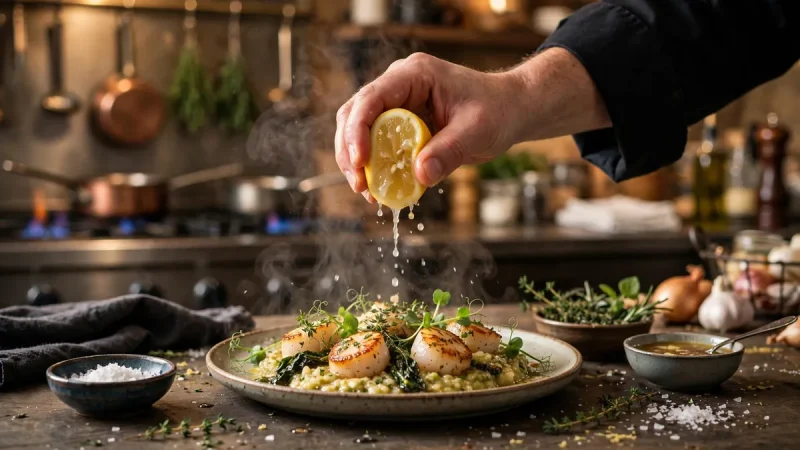
Firstly, chefs reach for acid when dishes taste flat. A squeeze of lemon can wake heavy sauces instantly. Meanwhile, a splash of vinegar sharpens rich braises beautifully. Brightness, consequently, makes other flavours taste more themselves.
Try this the next time soup disappoints you. Ladle a small spoonful into a separate bowl first. Then add two drops of vinegar and taste again. Finally, compare both bowls side by side honestly.
The difference often feels almost like magic happening. Fat and salt suddenly seem clearer, not stronger. Indeed, acid balances rather than dominates when used gently. Restraint, therefore, is the skill behind the trick.
Citrus zest offers brightness without extra liquid too. Grate it over roasted vegetables just before serving them. Similarly, pickled onions add sparkle to tacos and sandwiches. Small additions, in short, create memorable final bites.
Restaurant kitchens guard these finishing habits very carefully. Tasting menus abroad show that philosophy clearly, like the meals at Loltun Restaurant’s authentic flavour experience demonstrate nightly. Chefs there, consequently, finish dishes with deliberate brightness. Home cooks can borrow that discipline very easily.
2. Why do chefs keep fish sauce in reach?
Fish sauce sounds bold, but it behaves quietly. A few drops deepen broths, stews, and sauces mysteriously. Meanwhile, nobody at the table guesses its identity. Umami, consequently, grows without any fishy announcement.
Start with far less than you think necessary. Stir, simmer briefly, and then taste before adding more. However, respect its saltiness during your seasoning process. Balance, indeed, protects the whole pot from regret.
Vegetarian cooks can chase similar depth with alternatives. Soy sauce, miso, and mushroom liquids all help greatly. Similarly, tomato paste cooked slowly brings savoury richness. Options, therefore, exist for every kitchen and diet.
Thai kitchens demonstrate layered savoury cooking beautifully every day. The dishes celebrated in Wirin Thai Restaurant’s taste of Thailand rely on that layering. Sauces there, consequently, taste deep rather than simply salty. Layering, in short, is the real lesson here.
3. Could brown butter be your easiest upgrade?
Brown butter tastes nutty, warm, and quietly luxurious. Melt butter slowly until the milk solids turn golden. Meanwhile, watch carefully, because golden becomes burnt quickly. Attention, therefore, separates triumph from a smoky mistake.
Pour it over gnocchi, vegetables, or simple fish. Add crisp sage leaves if you feel fancy tonight. As a result, a plain dinner feels restaurant-worthy instantly. Guests, consequently, will ask what you changed immediately.
Bakers love brown butter in cookies and cakes too. It deepens toffee notes without any extra ingredients. However, cool it slightly before mixing batters properly. Temperature, indeed, protects texture as much as flavour.
Try this weekend project if you feel curious. Brown one batch and freeze it in small portions. Then rescue weeknight vegetables whenever dinners feel dull. Preparation, in short, puts magic within arm’s reach.
4. Why does a pinch of sugar appear in savoury food?
Chefs do not sweeten tomato sauce to make dessert. A tiny pinch simply rounds harsh acidity gently. Meanwhile, it helps caramelised onions taste deeper too. Balance, consequently, is again the true objective here.
Sugar also supports browning on grilled foods nicely. Dry rubs use it to encourage appetising crusts outdoors. However, too much burns and turns bitter quickly. Moderation, therefore, keeps the trick safely in background.
Taste before and after with a clean spoon always. Your palate notices subtle shifts better without distractions nearby. Similarly, season gradually rather than correcting dramatically later. Small adjustments, indeed, build a cook’s confidence steadily.
Snack lovers will recognise balance in sweet-salty combinations instantly. Even casual reading like National Snack Food Month ideas celebrates that contrast playfully. Chefs, consequently, use the same contrast with finer control. Pleasure, in short, lives between opposites meeting.
5. What does finishing salt actually do differently?
Flaky finishing salt lands at the very end. Its delicate crystals add sparkle, texture, and punctuation. Meanwhile, the salt dissolves slowly on your tongue pleasantly. Therefore, a tiny amount feels surprisingly impactful overall.
Use it on chocolate desserts for contrast too. A few flakes make sweetness taste deeper somehow. Similarly, sliced tomatoes become extraordinary with almost nothing else. Simplicity, consequently, can feel like the boldest seasoning.
Keep table salt for cooking water and batters instead. Each salt has a job in a thoughtful kitchen. However, fancy salt cannot rescue bland cooking underneath. Technique, indeed, must come before garnish every time.
Seafood dishes show finishing restraint particularly well in restaurants. Light seasoning lets delicate flavours lead the plate gracefully, as healthier seafood choices and their flavours often highlight. Chefs, therefore, season to reveal, not to mask. Respect, in short, is a seasoning in itself.
6. Is time itself an ingredient chefs respect?
Honestly, yes, and home cooks rush it constantly. Marinades need hours to perfume meat properly inside. Meanwhile, rested meat stays juicier after cooking too. Patience, consequently, flavours food that seasoning cannot reach.
Slow onions teach this lesson better than lectures. Forty patient minutes turn sharpness into deep sweetness completely. However, high heat and impatience deliver bitterness instead. Time, indeed, is doing quiet chemistry for you.
Doughs, beans, and braises all reward advance planning similarly. Cook them a day early if your schedule allows it. As a result, flavours mingle and settle overnight beautifully. Leftovers, therefore, sometimes outperform the original serving proudly.
Restaurant tasting menus plan time across every course carefully. The experience described at Yangtse Restaurant’s culinary delights reflects that patient craft clearly. Nothing there, consequently, arrives rushed or underdeveloped on plates. Home kitchens can borrow that patience at weekends.
7. Why do chefs save pasta water like gold?
Starchy pasta water helps sauces cling beautifully to noodles. A splash loosens thick sauces while adding silky body. Meanwhile, the seasoning in the water supports flavour too. Waste, consequently, becomes a missed opportunity in disguise.
Reserve a mugful before draining your pasta always. Add it gradually while tossing everything in the pan. Then watch the sauce turn glossy within seconds. That gloss, indeed, signals proper emulsion forming nicely.
The same thinking applies to pan drippings and stocks. Fond from roasted chicken carries concentrated, honest flavour deeply. Similarly, a quick pan sauce rescues dry weeknight dinners. Resourcefulness, therefore, separates good cooks from wasteful ones.
Weeknight recipes benefit from these habits most of all. A reliable favourite like juicy air fryer chicken breast pairs beautifully with pan sauces. Quick cooking, consequently, still deserves a thoughtful finish. Fast food at home need never taste careless.
8. Could your secret ingredient be tasting itself?
Above all, chefs taste constantly and adjust deliberately. They taste after salting, after acid, after heat changes. Meanwhile, home cooks often season blindly and hope silently. Hope, indeed, is not a reliable seasoning strategy.
Keep small spoons near your stove from today onward. Taste early, taste midway, and taste before serving always. Then adjust one thing at a time patiently. Control, consequently, grows with every single meal cooked.
Write down what worked in a kitchen notebook too. Memory fades, but a scribbled note survives busy weeks. Similarly, note failures without feeling embarrassed about them. Mistakes, after all, are tuition every chef pays.
Comfort recipes reward this attention just as much. Something humble like gingerbread overnight oats improves with tiny spice adjustments overnight. Tasting, therefore, matters at breakfast as much as dinner. Curiosity, in short, seasons everything you make.
9. Why do chefs keep chilli heat within reach?
A whisper of heat makes flavours feel more awake. Chilli flakes, hot sauce, or fresh peppers all work. Meanwhile, the goal is warmth, not a dare. Gentle heat, consequently, lifts chocolate, eggs, and fruit surprisingly.
Add heat late if you want brightness preserved. Long cooking mellows chillies into background warmth instead. However, raw slices on top deliver sharper, fresher fire. Placement, therefore, changes the effect as much as quantity.
Balance heat with fat, acid, or something sweet nearby. Yoghurt cools a curry while lemon sharpens it simultaneously. Similarly, honey tames an aggressively spicy glaze beautifully. Harmony, indeed, matters more than bravery at dinner.
Start timidly if your household prefers milder food generally. You can always pass hot sauce at the table afterwards. Guests, consequently, season their own plates without any drama. Hospitality, in short, means nobody suffers for flavour.
10. What role do fresh herbs play at the end?
Fresh herbs added last taste bright, green, and alive. Basil wilts happily over hot pasta at serving time. Meanwhile, coriander and mint refresh rich, slow-cooked dishes instantly. Timing, therefore, protects their delicate, volatile aromas properly.
Dried herbs belong earlier in the cooking process instead. They need heat and moisture to release flavour fully. In contrast, fresh herbs lose magic during long simmering. Knowing the difference, consequently, improves almost everything you cook.
Herb stems carry flavour that many cooks waste thoughtlessly. Chop soft stems finely into soups, salads, and sauces. Similarly, save parsley stems for stocks and gremolata mixtures. Resourcefulness, indeed, is a recurring chef habit everywhere.
Grow one small pot of herbs if space allows it. A sunny windowsill basil plant rewards minimal effort generously. Then snip leaves seconds before they meet the plate. Freshness, in short, becomes a habit, not a luxury.
So which secret will you try first tonight?
Pick one trick, not all eight at once. Squeeze the lemon, brown the butter, or save the water. Then taste carefully and notice what changes for you. Learning, consequently, sticks when experiments stay small and clear.
Your kitchen already holds most of these heroes waiting. They hide in the fridge door and pantry corners quietly. Therefore, tonight’s dinner can improve without any shopping trip. Confidence, indeed, might be the final secret ingredient.
Keep a tiny finishing station beside your stove tonight. Place flaky salt, lemon halves, herbs, and chilli within reach. Then finishing becomes instinctive instead of forgotten at serving time. Organisation, consequently, quietly improves flavour across every single meal.
Invite your family to taste and vote honestly too. Children often spot missing brightness with surprising accuracy immediately. Meanwhile, partners notice salt levels you have gone blind to. Fresh palates, indeed, are secret ingredients of their own.
Chefs swear by attention more than by any bottle. They watch, they taste, and they adjust without panic. You can absolutely learn that rhythm at home too. Start tonight, and let your next bite prove it to everyone sitting happily at your table this evening and every single evening after that one.