
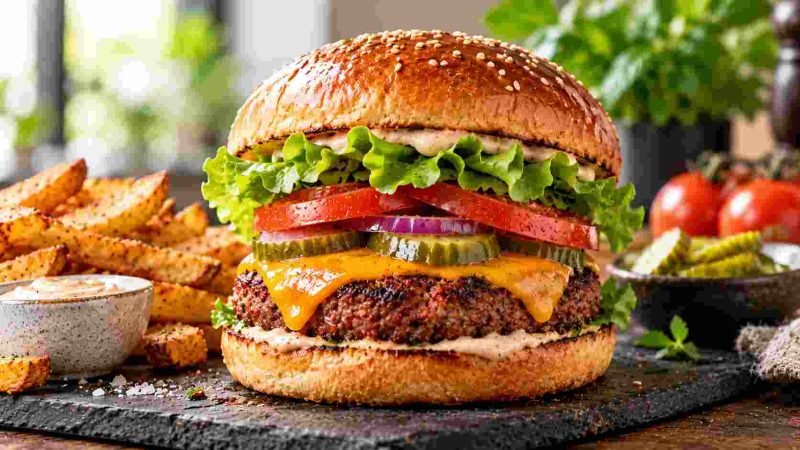

Modern dietary habits are experiencing a profound nutritional revolution across global food systems. For generations, traditional beef patties anchored backyard barbecues, fast-food menus, and casual dining culture. However, shifting consumer priorities around climate conservation, cardiovascular wellness, and culinary food science are redefining protein consumption. Therefore, exploring sustainable alternatives has become a central priority for mindful eaters. Many wellness enthusiasts research nutritional food science and plant-rich diet guides across our main portal. Through these resources, readers discover how conscious culinary choices elevate personal health and environmental longevity. In contemporary culinary revelations, Why Plant-Based Burgers Are Here to Stay examines the permanent cultural ascent of meatless dining. Specifically, modern plant-based patties deliver authentic sizzling savory textures, high protein density, and remarkable environmental sustainability without culinary compromise.
Discerning food lovers evaluate far more than passing vegetarian novelty when choosing meat alternatives. In addition, health-conscious consumers prioritize clean protein sourcing, micronutrient bio-availability, saturated fat profiles, and culinary versatility. By exploring our nutrition features in our dedicated health and wellness category archive, readers uncover actionable nutritional blueprints. In this comprehensive food science guide, we examine the structural advancements propelling the plant-based protein sector. Furthermore, we analyze cellular texture engineering, environmental resource conservation, cardiovascular health metrics, and commercial fast-food integration. Finally, we provide a step-by-step roadmap. These practical tips help you select, season, and sear plant-based burgers for maximum culinary delight.
The Evolution of Meatless Dining: From Dry Bean Patties to Sizzling Science
The culinary journey of vegetarian burgers spans several decades of culinary trial and experimentation. In earlier decades, meatless burgers consisted primarily of mashed black beans, brown rice, dry soy crumbles, and rolled oats. Legacy veggie patties provided wholesome dietary fiber. However, they lacked the juicy mouthfeel, fatty sizzle, and umami richness that diners crave.
Consequently, early veggie burgers remained confined to niche vegetarian co-ops and specialty natural health stores. However, modern biochemical engineering revolutionized the alternative protein landscape. Specifically, food scientists stopped trying to create vegetable patties; instead, they began reverse-engineering the molecular architecture of animal meat. In fact, food labs isolated plant proteins, cultured fats, and iron molecules. They successfully replicated the sensory experience of grilled beef. As a result, modern plant burgers appeal directly to mainstream flexitarians and omnivores seeking conscious indulgence.
In addition, managing commercial food processing logistics mirrors broader enterprise development strategies. For example, organizational operational models detailed in scaling business services growth demonstrate the necessity of disciplined capacity planning. Similarly, strategic research in small business growth and marketing analysis proves this point. Customer-focused execution preserves commercial brand loyalty across changing seasons. Plant-protein manufacturers apply these exact organizational principles to coordinate nationwide grocery and restaurant rollouts.
Comprehensive Nutritional and Environmental Comparison Matrix
| Performance Metric | Next-Gen Plant-Based Burger | Conventional 80/20 Beef Burger | Primary Consumer & Planetary Impact |
|---|---|---|---|
| Protein Content per 4 oz | 19g – 21g (Pea, Soy, or Potato) | 19g – 20g (Animal Muscle) | Equivalent muscle synthesis and satiety |
| Dietary Cholesterol | 0 mg (Zero animal lipids) | Approximately 70 mg – 80 mg | Supports optimal arterial cardiovascular health |
| Dietary Fiber | 4g – 6g prebiotic dietary fiber | 0g (Animal meat lacks fiber) | Nourishes beneficial gut microbiome bacteria |
| Freshwater Requirement | Up to 87% – 99% less freshwater | Approximately 1,800 gallons per pound | Preserves fragile global municipal water aquifers |
| Agricultural Land Footprint | Up to 93% – 95% less land usage | Requires vast cattle grazing acreage | Mitigates deforestation and preserves biodiversity |
| Greenhouse Gas Emissions | Up to 89% – 90% fewer emissions | Significant bovine enteric methane | Slows accelerating global climate warming |
1. Food Science Breakthroughs: Replicating the Maillard Reaction and Juiciness
The primary barrier separating legacy veggie burgers from genuine beef was the complex physics of cooking meat. Specifically, raw beef transforms dynamically on a hot griddle through the Maillard reaction. This reaction occurs when amino acids and sugars bind under high heat. It produces savory aromas, deep brown crusts, and caramelized depth.
Specifically, innovative plant-based brands achieved molecular parity through ingenious plant biochemistry:
- Plant-Derived Heme Iron: Uses soy leghemoglobin from plant roots. This delivers the metallic iron taste and deep red color of beef.
- Encapsulated Coconut and Cocoa Fats: Pockets of plant fat remain solid when cold. They melt on hot griddles like beef tallow.
- Natural Beet and Apple Extracts: Vegetable juices that transition from raw pink to rich mahogany brown as heat caramelizes sugars.
- High-Moisture Extrusion Texturing: Advanced mechanical shearing that aligns pea and wheat proteins into fibrous strands mimicking animal muscle grain.
Furthermore, these food technology innovations mean that plant patties sizzle, caramelize, and release fragrant savory aromas in cast-iron skillets. In fact, sensory panels frequently struggle to distinguish blindfolded between premier plant patties and standard ground chuck. Consequently, culinary satisfaction is no longer sacrificed in the pursuit of plant-based eating.
2. Environmental Imperative: Slashing Land, Water, and Carbon Footprints
Planetary health represents one of the most compelling reasons why alternative proteins have become permanent fixtures. In fact, industrial livestock agriculture is among the most resource-intensive activities on earth. Livestock grazing and feed crops occupy eighty percent of agricultural land. Yet, they provide less than twenty percent of global calories.
Specifically, transitioning toward plant-based burgers yields staggering ecological benefits:
- Dramatically Reduced Water Consumption: Producing one plant burger requires up to ninety percent less freshwater than beef production.
- Halting Deforestation and Soil Erosion: Direct crop processing eliminates the need to clear pristine rainforests for livestock pastures.
- Substantial Methane Reductions: Cattle digestion produces immense volumes of enteric methane, a greenhouse gas significantly more potent than carbon dioxide.
- Protecting Fragile Waterways: Plant cultivation eliminates toxic manure lagoons that frequently pollute freshwater rivers and groundwater aquifers.
In addition, younger consumer demographics view daily food choices as direct climate stewardship actions. Voting with your grocery budget against resource-heavy industrial livestock offers an immediate, measurable personal impact. Therefore, plant-based proteins function as a cornerstone of sustainable twenty-first-century ecological policy.
3. Cardiovascular Health and Digestive Microbiome Benefits
Personal physical wellness serves as a primary motivator driving consumers toward plant-based alternatives. Specifically, decades of clinical research link high red meat intake with cardiovascular complications, elevated cholesterol, and colorectal inflammation. In contrast, well-formulated plant-rich diets support arterial flexibility and systemic cellular health.
Specifically, modern plant burgers offer clear nutritional advantages over fatty animal cuts:
- Completely Free of Dietary Cholesterol: Plants cannot synthesize cholesterol, protecting arterial walls from dangerous plaque buildup.
- Abundant Prebiotic Dietary Fiber: Plant patties provide four to six grams of prebiotic fiber, feeding beneficial gut microbiome colonies.
- Reduced Saturated Fat Densities: Formulations utilizing avocado, canola, and sunflower oils deliver heart-healthy monounsaturated fats.
- Zero Exposure to Growth Hormones: Plant crops require zero prophylactic antibiotics or bovine hormones commonly present in feedlots.
Furthermore, clinical trials show clear cardiovascular benefits. Swapping two daily servings of beef for plant patties lowers LDL cholesterol within weeks. In fact, participants also experience improved gut transit times and reduced systemic blood pressure. Consequently, cardiologists increasingly recommend plant proteins as a tasty tool for cardiovascular prevention.
4. Mainstream Commercial Adoption: Fast-Food Giants and Global Retailers
A dietary trend cannot achieve permanent cultural permanence without deep integration into mainstream commerce. For instance, if plant burgers were accessible only at high-end vegan cafes, their impact would remain strictly localized. However, the world’s most recognizable fast-food and casual dining empires have invested billions into plant-based menus.
Specifically, mainstream adoption has expanded across global foodservice sectors:
As the culinary landscape shifts towards plant-based alternatives, it’s essential to recognize that traditional meat dishes still hold a cherished place in many diets. The ability to elevate a classic steak experience, much like the rise of innovative plant-based options, reflects the ongoing evolution of consumer tastes and preferences. For enthusiasts looking to perfect their home cooking skills while still appreciating the rich flavors of meat, exploring techniques that enhance traditional recipes can be incredibly rewarding. One standout option is the renowned Bobby Flay steak recipe, which showcases how a masterful seasoning blend and precise cooking methods can transform a simple cut into a culinary masterpiece. This intersection of traditional and modern cooking practices underscores the broader trend of culinary exploration, where both plant-based and meat-centric dishes coexist harmoniously on our plates.
As the shift towards plant-based diets continues to gain momentum, it is crucial to explore how these dietary changes not only reflect a commitment to sustainability but also promote personal health. One area of interest lies in the incorporation of functional foods that offer both nutritional benefits and culinary enjoyment. For instance, breakfast options that prioritize anti-inflammatory ingredients can complement a plant-centric lifestyle, enhancing overall well-being. A delightful example of such a meal is the anti-inflammatory gingerbread overnight oats, which combine spices known for their health-boosting properties. This innovative approach to breakfast not only caters to the growing demand for nutritious alternatives but also aligns perfectly with the ethos of mindful eating that today’s consumers are embracing. As we continue to redefine our culinary landscape, blending flavor with functionality will be key in sustaining interest in plant-based options.
- Iconic Fast-Food Partnerships: Global chains like Burger King, Carl’s Jr., and White Castle offer permanent plant-based menu items worldwide.
- Omnipresent Supermarket Availability: Plant patties occupy prime refrigerated real estate right beside conventional beef in mainstream supermarkets.
- College Campus and Hospital Cafeterias: Institutional food providers serve plant burgers daily to meet student sustainability demands.
- International Sports Stadiums: Major league baseball, football, and soccer arenas feature gourmet plant burger concessions at games.
In fact, the majority of consumers purchasing plant burgers identify as committed meat-eaters rather than strict vegetarians. Flexitarians choose plant patties several days a week to balance their personal health and environmental footprints. As a result, meatless burgers have transitioned from an eccentric novelty into an indispensable everyday staple.
Commercial Food Processing, Supply Chains, and Agribusiness Financing
Scaling alternative protein production across continents requires substantial capital liquidity and sophisticated industrial facilities. Specifically, plant protein processors must secure high-capacity extruders, commercial dehydration chambers, hygienic packaging cleanrooms, and refrigerated fleets. In fact, transforming raw legume crops into consumer-ready burgers requires structured corporate financing partnerships.
Food processing enterprises frequently fund manufacturing infrastructure through specialized commercial financing programs. For instance, food production facilities evaluate equipment funding options like Northmill equipment finance. This secures high-pressure industrial extruders while preserving vital working capital. In addition, agricultural distributors explore credit lines like Navitas financial solutions. These funds support multi-ton crop shipments and cold storage. Commercial real estate developers also analyze institutional food production and warehouse debt models detailed in Lument real estate capital investments. Meanwhile, distinctive food enterprise brand identities draw inspiration from creative design principles in Flowfury Entertainment logo strategies.
Holistic Lifestyle Balance, Physical Stamina, and Daily Vitality
Embracing a plant-forward lifestyle should foster lasting physical vitality, mental clarity, and metabolic ease. Specifically, nourishing your body with clean, nutrient-dense foods fuels active routines and athletic recovery. Therefore, pairing mindful plant-based dining with intentional physical conditioning supports overall human longevity.
Moreover, committing to balanced daily routines supports personal vitality and cardiovascular strength. For example, daily physical fitness promotes musculoskeletal integrity and metabolic health. This practice aligns with exercising 40 minutes every day to maintain peak energy levels. In addition, an early dinner supports digestive rest. These habits reflect principles discussed in benefits of early dinner for digestion. Many mindful eaters also design peaceful home dining spaces inspired by principles of balanced lifestyle luxury and wellness.
Furthermore, maintaining overall personal wellness involves regular consultations with trusted healthcare providers for physical screenings. Respected clinics, such as the Muskingum Valley Health Center and the Gastonia Health Department, emphasize preventive healthcare. They provide clinical nutrition counseling, lipid profiling, and cardiovascular guidance. Meanwhile, food marketing agencies expanding in metropolitan markets evaluate promotional models. They study multi-channel strategies in advertising marketing growth in Los Angeles.
Addressing Common Criticisms: Processing Levels and Sodium Content
Despite their widespread popularity, plant-based burgers occasionally face criticism regarding processing levels and sodium density. For example, skeptics argue that engineered plant patties are ultra-processed foods containing lengthy chemical ingredient labels. However, evaluating these claims requires a balanced, scientifically grounded perspective.
Specifically, food science demonstrates that modern processing serves clear safety and nutritional functions:
- Mechanical Rather Than Chemical Extraction: Most pea and soy proteins undergo water-based separation. Manufacturers avoid harsh chemical processing methods.
- Comparable Micronutrient Fortification: Manufacturers deliberately fortify plant patties with vitamin B12, zinc, and iron to match beef profiles.
- Managing Dietary Sodium Intake: While seasoned plant patties contain sodium, their levels match typical seasoned restaurant beef burgers.
- Absence of Processed Meat Carcinogens: Plant burgers avoid carcinogenic heterocyclic amines and nitrates produced when charring animal muscle.
Furthermore, food manufacturers continuously refine recipes to reduce sodium, remove artificial stabilizers, and simplify ingredient statements. Newer formulations feature cold-pressed avocado oil and whole-food legume bases. Consequently, modern plant burgers continue to improve in nutritional purity year after year.
Step-by-Step Guide: How to Cook and Serve the Perfect Plant-Based Burger
Specifically, cooking a plant-based burger to juicy perfection requires subtle adjustments compared to grilling animal meat. Follow this structured roadmap to achieve an exquisite caramelized crust and juicy interior at home:
- Thaw Patties Gently in the Refrigerator: First, thaw frozen patties completely in the refrigerator overnight to ensure even heat penetration.
- Preheat a Heavy Cast-Iron Skillet: Second, preheat a heavy skillet over medium-high heat. Wait until water droplets skitter across the pan.
- Add a Light Brush of High-Heat Oil: Third, brush the pan lightly with oil. Avocado or canola oil encourages a rich golden crust.
- Sear Undisturbed for Four Minutes per Side: Fourth, place patties in the skillet. Let them sear undisturbed for three to four minutes.
- Melt Plant-Based Cheese Under a Cloche: Fifth, top patties with cheese and add water. Cover with a lid to steam-melt the cheese.
- Assemble on a Toasted Brioche Bun: Finally, place the patty on a toasted bun. Garnish with crisp lettuce, tomato, pickles, and sauce.
Following this disciplined cooking roadmap guarantees that your plant burger delivers mouthwatering restaurant-grade juiciness in every bite.
Frequently Asked Questions About Plant-Based Burgers
Are plant-based burgers healthier than traditional beef burgers?
Specifically, plant burgers contain zero dietary cholesterol, provide prebiotic fiber, and reduce saturated fats, supporting better cardiovascular health.
Do plant-based burgers provide enough protein for athletes?
In fact, premier plant patties provide nineteen to twenty-one grams of protein. This matches the protein density of lean ground beef.
What makes modern plant burgers look and taste like real meat?
Plant-based heme iron, high-moisture extrusion, and marbled coconut fats work together. These innovations recreate the savory flavor and juiciness of beef.
Can you cook plant-based burgers on an outdoor barbecue grill?
Yes, you can grill plant patties over direct coals. Cook each side for three to four minutes until nicely charred.
Conclusion: The Irreversible Rise of Plant-Powered Protein
The transition toward sustainable alternative proteins is permanent. Exploring Why Plant-Based Burgers Are Here to Stay reveals the power of culinary science. By delivering grilled satisfaction with a fraction of the environmental footprint, plant patties solve critical food challenges.
Whether you are a committed vegetarian or an omnivore looking to eat more sustainably, plant burgers offer a delicious solution. Fire up your skillet, sear a sizzling patty to golden perfection, and embrace the empowering future of conscious dining today!

