
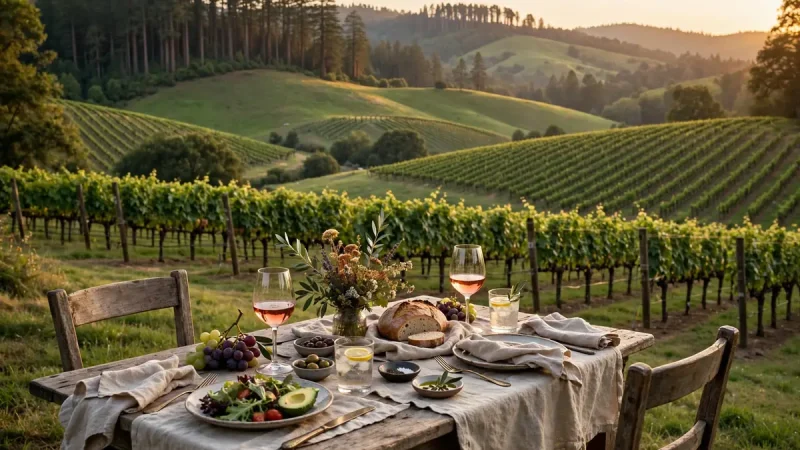

Sonoma Lifestyle: The Ultimate Blend of Luxury, Wellness and Nature
Some places ask you to slow down before you even unpack. Sonoma County, in Northern California, does exactly that from the start. Rolling vineyards, redwood shade, and farm towns set a gentler daily rhythm.
This listicle explores the Sonoma lifestyle piece by piece for you. First, we will look at wine country days and local food. Then, we will turn to wellness, nature, and simple home rituals.
Importantly, this guide shares widely known context, not invented local prices. Ratings and business claims change often, so check official pages before booking. In short, use this as inspiration, then plan with fresh details.
1. What makes mornings in wine country feel different?
Mornings in Sonoma often begin with mist over the vines. The air smells of earth, grass, and nearby bakery ovens. Also, small towns wake slowly, with farmers markets setting up early.
Coffee on a porch can feel like a small ceremony here. Birds, distant tractors, and soft light replace city noise completely. In fact, many visitors say the quiet is the real luxury.
Then, the day opens into simple, pleasant choices for everyone. Will you cycle a country lane or browse a market first? Either way, the pace stays kind to body and mind.
New to wine words you may hear during the day? Our guide to essential wine terminology for beginners makes tasting talks far less confusing. Consequently, your first vineyard visit feels relaxed, not intimidating.
2. How does local food shape the whole lifestyle?
Sonoma cooking leans on farms, gardens, and seasonal markets heavily. For example, chefs build menus around what growers picked that week. Also, home cooks copy the same habit at weekend markets.
Cheese, olives, bread, and fresh produce fill many local tables. Meals feel generous, yet rarely rushed or overly formal here. In short, the food culture celebrates freshness over fuss.
Farm stands and small producers give shopping a personal feel. You may meet the grower behind the tomatoes you buy. Meanwhile, that small chat changes how dinner tastes later.
Healthy plates also fit naturally into this food culture daily. Fresh fruit, greens, and grains appear without any diet preaching. Our piece on dragon fruit health benefits and nutrition facts shows how colorful produce earns attention. Similarly, these balanced fitness and nutrition tips suit the Sonoma table well.
3. Which outdoor rituals keep residents grounded?
Nature in Sonoma is not a weekend extra, but a routine. First, redwood groves offer cool shade and towering quiet. Then, river paths and coastal drives reset busy minds quickly.
Hiking, cycling, and paddling all sit close to small towns. So, a short outing rarely demands a full expedition plan. As a result, people actually go outside far more often.
Gardens also play a quiet role in the local rhythm. Herbs by the kitchen door make cooking feel more alive. In addition, tending plants teaches patience better than any app.
Lovers of green escapes often compare regions across the world. Our guide to the best places to visit in China for nature offers a very different landscape. Meanwhile, even city parks can restore you, as this guide to public parks in Dubai happily proves.
4. What does wellness look like without the hype?
Wellness in Sonoma tends to look simple and outdoorsy first. Yoga on a deck, a long walk, or a quiet soak. Also, spa culture here often borrows from gardens and mineral springs.
Importantly, the local style avoids loud promises and miracle claims. Rest, fresh air, and good food do most of the talking. Therefore, visitors leave calmer without feeling sold a new identity.
- Start days with light movement and real daylight.
- Build meals around produce, grains, and local protein.
- Protect one slow hour with no screens at all.
- End evenings early when the body asks kindly.
Current fitness culture keeps shifting toward this gentler balance too. Recent fitness trends show a wider move toward recovery and rest. In Sonoma, that balance simply feels like normal life.
5. How do homes reflect the landscape around them?
Homes in wine country often borrow colors from the hills. Wood, stone, and linen keep rooms calm and naturally bright. Also, big windows pull vineyard or garden views indoors daily.
Outdoor rooms matter almost as much as indoor ones here. Patios, fire pits, and shaded tables extend living space kindly. Consequently, evenings stretch outside for much of the year.
The style favors comfort over show in most local homes. A worn farmhouse table can outshine a glossy designer piece. In fact, that relaxed mix defines the famous Sonoma look.
Guests often notice how evenings center on food and talk. Music stays low, lights stay warm, and phones stay away. After all, the home itself encourages slower, richer conversation.
6. Which small towns give the lifestyle its charm?
Sonoma’s towns each carry a slightly different daily mood. Some center on plazas, tasting rooms, and weekend markets. Others feel quieter, with bakeries, bookshops, and garden stores.
Walking a plaza at golden hour shows the lifestyle clearly. Families stroll, dogs greet, and musicians sometimes play nearby corners. Meanwhile, cafes fill with neighbors who clearly know each other.
Markets remain the heartbeat of many of these towns weekly. Growers, bakers, and makers gather in one friendly place. Therefore, shopping becomes a social ritual, not a chore.
Travel dreamers often collect places like these across a lifetime. The classic 1001 Places to Visit Before You Die book celebrates that collecting spirit well. Sonoma, for many readers, earns its place on such lists.
7. How can visitors plan a balanced Sonoma trip?
Balanced trips mix one anchor activity with lots of air. First, pick a single highlight for each day only. Then, leave open space for markets, walks, and rest.
- Book key tastings or spa slots before you arrive.
- Cluster stops by area to cut driving time down.
- Carry water, layers, and sun cover every day.
- Plan one early night to protect the next morning.
- Check official pages for hours and booking rules.
Money planning also keeps the trip calm and enjoyable. Our guide to the best travel credit cards for 2025 can help organize bigger bookings. Also, handy planning tools appear in this roundup of the best travel apps for your next trip.
Above all, resist the urge to see everything at once. Sonoma rewards travelers who linger over fewer, better moments. In short, depth beats distance on a wine country map.
8. How do the seasons change the Sonoma mood?
Each season dresses the county in a different, lovely mood. Spring brings green hills, wildflowers, and fresh market produce. Also, mild days invite long walks and garden lunches.
Summer stretches evenings and fills plazas with warm light. Vineyards look lush, and outdoor concerts suit the long days. Meanwhile, early starts help you dodge the midday heat kindly.
Autumn, the harvest season, carries a special energy here. Grapes come in, kitchens turn heartier, and hills glow gold. In fact, many locals call harvest their favorite time.
Winter slows the county into a cozy, quieter rhythm. Mist, fireplaces, and rich stews define the shorter days. Therefore, winter suits readers, walkers, and long-table lunches best.
9. Which experiences suit first-time visitors best?
First visits go best with a gentle mix of classics. First, walk one historic plaza and its nearby shops. Then, enjoy a tasting or a farm tour nearby.
Also, leave one afternoon completely unplanned on purpose. Spare hours often produce the trip’s sweetest surprise moments. For example, a tiny bakery or garden can steal the day.
Guided tours can help when driving or planning feels heavy. Local guides share farming stories and county history warmly. Consequently, places gain meaning beyond their pretty views alone.
Finally, end one day outdoors as the light softens. Golden hour over vines explains Sonoma better than words. After all, some lessons only land in person.
10. How does the lifestyle protect nature itself?
Many growers here farm with soil and water in mind. Cover crops, careful watering, and habitat care appear widely. Also, local groups work to protect rivers and redwood groves.
Visitors can support that care with simple choices daily. Stay on marked trails, and carry out every scrap. Then, choose businesses that state their green practices clearly.
Farm tours often explain this stewardship in plain, proud terms. You hear about compost, bees, and water saving firsthand. In short, luxury here often means lasting, not flashy.
That mindset travels home with thoughtful visitors afterward too. Waste less, plant something, and respect your local wild places. As a result, the Sonoma effect outlives the trip.
11. What can you borrow from Sonoma at home?
You do not need a vineyard to borrow this rhythm. First, shop seasonally and cook one market meal weekly. Then, eat it slowly, outside if the weather allows.
Also, add one nature ritual to your ordinary week now. A park walk, a garden hour, or a sunrise coffee counts. Consequently, your home days gain a little Sonoma calm.
Finally, let your home host people in a relaxed way. Simple food, warm light, and unhurried talk travel anywhere easily. After all, the Sonoma lifestyle is a mindset first.
12. How does a perfect Sonoma day unfold?
Picture one unhurried day from sunrise to soft evening. First, mist lifts over vines while coffee warms your hands. Then, a market stroll fills your bag with breakfast.
Midday brings a garden lunch and a shaded, slow walk. Also, a tasting or farm visit adds flavor and stories. Meanwhile, nobody checks a clock with any real worry.
Afternoon invites a nap, a book, or a river path. Rest counts as an activity in this county, happily. Consequently, energy returns without effort or expensive plans.
Evening closes with a shared table and local dishes. Candles, quiet music, and long talks carry the night. In short, the perfect day here feels full, never packed.
13. Why does this lifestyle stay with people?
Visitors often say Sonoma changes their sense of enough. Luxury here means time, taste, and light, not logos. Also, wellness means rhythm, not another strict program.
Nature stops being scenery and becomes a daily partner. Meals, walks, and rest all follow its gentle cues. Therefore, people return home wanting simpler, steadier weeks.
That staying power explains the county’s loyal following worldwide. People do not just recall places, but a pace. After all, pace is the hardest souvenir to buy.
Which questions do Sonoma dreamers ask most?
When should you visit for harvest season?
Harvest usually colors late summer and autumn most strongly. Still, exact timing shifts with weather each year. So, check official local pages before you fix dates.
How many days suit a first trip?
Three or four days suit a relaxed first visit well. That span covers towns, vines, coast, and rest. In fact, rushing Sonoma misses its whole point.
Can families enjoy wine country together?
Yes, families find gardens, farms, towns, and trails aplenty. Many venues welcome children in outdoor spaces warmly. Meanwhile, adults still enjoy tastings in calm settings.
What should you pack for the trip?
Pack layers, walking shoes, and light sun protection first. Evenings can cool quickly, even after warm days. Also, bring a tote for market finds along.
How do you keep the trip unhurried?
Book fewer stops, and protect open time daily. Then, let one long lunch run without any guilt. After all, slowness is the souvenir here.
Also, keep a tiny travel journal during any Sonoma visit. Write down the market, the meal, and the quiet moment daily. Then, those notes will guide your next trip and your calmer weeks at home far better than photos alone ever could.
Before you close this guide, choose your first small step. Maybe it is a market visit or a slower Sunday lunch. Then, protect that plan like any other important appointment in your week.
Blend luxury, wellness, and nature in small daily choices. That blend, practiced kindly, changes weeks more than any single trip. So, start with one ritual, and let it grow naturally.

