
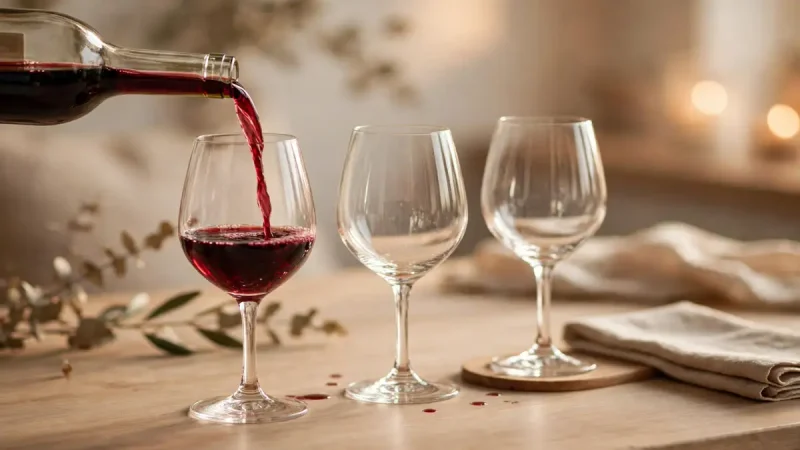

Moreover, wine lovers speak their own language. Moreover, Learning essential wine terminology transforms confusing tasting notes into clear descriptions — and turns ordering at a restaurant from intimidating to enjoyable.
In this guide, you will master the 20 most important wine terms, from tannins to terroir. Additionally, you will learn how to use them like a sommelier. Let us uncork the vocabulary.
Structure: The Four Pillars
Furthermore, every wine is built on four structural elements: acidity, tannin, alcohol (body), and sweetness. Their interplay determines how a wine tastes and whether it feels balanced.
Acidity
Acidity is the tart, mouthwatering freshness in wine. High-acid wines taste crisp and bright — think Sauvignon Blanc or Riesling. In addition, low-acid wines feel rich and round. Sommeliers describe high acidity as vibrant, lively, or crunchy.
Tannin
Additionally, Tannins are bitter compounds from grape skins, seeds, and oak barrels that create a drying, puckering sensation. They give red wines structure and aging potential. Cabernet Sauvignon is high-tannin and bold; Pinot Noir is low-tannin and silky.
Body
In fact, Body describes the weight of wine in your mouth. Think skim milk (light-bodied Pinot Grigio), whole milk (medium-bodied Merlot), and cream (full-bodied Cabernet). Body largely follows alcohol content: under 12% is light, over 14% is full.
Sweetness and Dry
Moreover, a dry wine has little to no residual sugar — most wines are fermented dry. Sweetness is not the same as fruitiness: a wine can taste fruity yet be bone dry. Furthermore, Off-dry means just a hint of sweetness.
Tasting Terms
Aroma, Bouquet, and Nose
Aroma refers to smells from the grape and fermentation; bouquet describes complex scents that develop with aging. “Nose” is the casual catch-all. Swirl the glass before sniffing to release these aromas.
Palate and Mouthfeel
Palate means the flavors and textures you experience while tasting. In addition, Mouthfeel is the physical sensation — silky, grippy, creamy. Together they describe the complete tasting experience.
Finish
The finish is the impression wine leaves after you swallow. Moreover, a long, lingering finish signals quality and complexity; a short finish suggests simplicity. Great wines finish for 30 seconds or more.
Balance
Furthermore, a balanced wine harmonizes acidity, tannin, alcohol, fruit, and sweetness — no single element dominates. Balance is the hallmark of fine winemaking. Furthermore, unbalanced wines taste sharp, flabby, hot, or harsh.
Complexity
Complex wines show layered aromas and flavors that evolve in the glass: fruit, spice, floral, mineral, earthy notes unfolding over time. Simplicity is not a flaw in casual wines, but complexity defines great ones.
Winemaking Terms
Varietal and Blend
In addition, a varietal wine is named for its grape — Chardonnay, Merlot, Cabernet Sauvignon. A blend combines multiple grapes, like Bordeaux’s Cabernet-Merlot marriage. New World wines usually name the varietal; Old World wines name the region.
Terroir
Additionally, Terroir (ter-WAHR) is the complete environment where grapes grow: soil, climate, slope, and sunlight. It explains why the same grape tastes different in France versus California. California makes the idea tangible: the entire Sonoma lifestyle of vineyards, farm-to-table food, and slow weekends grows straight out of its soils and coastal fog. Furthermore, terroir is the soul of Old World wine philosophy.
As you delve into the intricate world of wine, understanding the nuances of flavor profiles can enhance not only your tasting experience but also your ability to pair wines with food. Just as a sommelier expertly navigates the lexicon of wine, home cooks and entertaining enthusiasts can elevate their culinary creations by mastering complementary flavors. For instance, consider the delightful pairing of a rich, fruity wine with a sweet and salty snack. One such treat that exemplifies this balance is a simple yet indulgent chocolate-dipped pretzels recipe, which offers a satisfying contrast to the complexities of a fine wine. Understanding how to harmonize these elements can transform any gathering into a sophisticated culinary experience.
Vintage
The vintage is the year grapes were harvested. Weather varies yearly, so vintage dramatically affects quality — legendary vintages command premium prices. Non-vintage wines blend multiple years for consistency.
Fermentation
Fermentation is yeast converting grape sugar into alcohol. Moreover, red wines ferment with skins for color and tannin; whites ferment without. Additionally, malolactic fermentation softens harsh acids into creamy textures.
Oak Aging
Aging in oak barrels adds vanilla, spice, toast, and structure. New oak imparts strong flavors; old oak is neutral. Furthermore, the choice of French versus American oak shapes the wine’s character distinctly.
Serving Terms
Sommelier
Furthermore, a sommelier is a trained wine professional who guides selections and service in fine dining. Do not be shy about asking for help — guiding you is literally their job. In addition, Describe what you like (fruity, bold, crisp) and your budget.
Decanting
Decanting pours wine into a vessel to separate sediment and expose it to air. Young tannic reds soften with decanting; old wines shed sediment. In addition, even 30 minutes of air can transform a tight wine.
Legs (Tears)
Moreover, the droplets streaking down the glass after swirling are called legs. They indicate alcohol and glycerin content — pronounced legs suggest a fuller-bodied wine. They say nothing about quality, despite the mystique.
Style Terms: Old World vs New World
Old World wines (France, Italy, Spain) emphasize terroir, earthiness, and restraint, with lower alcohol and higher acidity. Furthermore, New World wines (California, Australia, Chile) favor ripe fruit, bolder flavors, and higher alcohol.
Neither is superior — they are different philosophies. In addition, knowing which style you prefer makes ordering dramatically easier. Furthermore, many modern wines blend both approaches. Touring the classic regions is half the pleasure, too — the same vineyard countryside covers many of the most romantic places in Europe to visit.
Frequently Asked Questions
What does “dry” mean in wine?
In addition, Dry means little to no residual sugar. Most red and white wines are dry. People often misuse “dry” to describe tannic wines — tannin creates dryness sensation, but true dryness is about sugar.
What are tannins in wine?
Bitter compounds from grape skins, seeds, and oak that create a drying, puckering mouthfeel. Additionally, they give red wines structure and help them age. High-tannin wines pair beautifully with fatty foods.
How do I describe wine I like to a sommelier?
Use the four pillars: body (light or full), acidity (crisp or soft), tannin (smooth or bold), and fruit style (fruity or earthy). Add your budget. That is all a sommelier needs.
What is the difference between aroma and bouquet?
In fact, Aroma comes from the grape and fermentation (primary scents). Bouquet develops with aging (secondary and tertiary scents like leather, tobacco, dried fruit). “Nose” covers both casually.
Does a long finish mean better wine?
Generally, yes. A persistent, evolving finish indicates concentration and complexity — hallmarks of quality. Short finishes suggest simpler wines, which are perfectly fine for everyday drinking.
Conclusion
Moreover, Mastering wine terminology opens up a richer world of tasting, ordering, and enjoying wine. Start with the four pillars, and the rest follows naturally. Cheers.
For more food and drink guides, explore our food and beverage section.

