
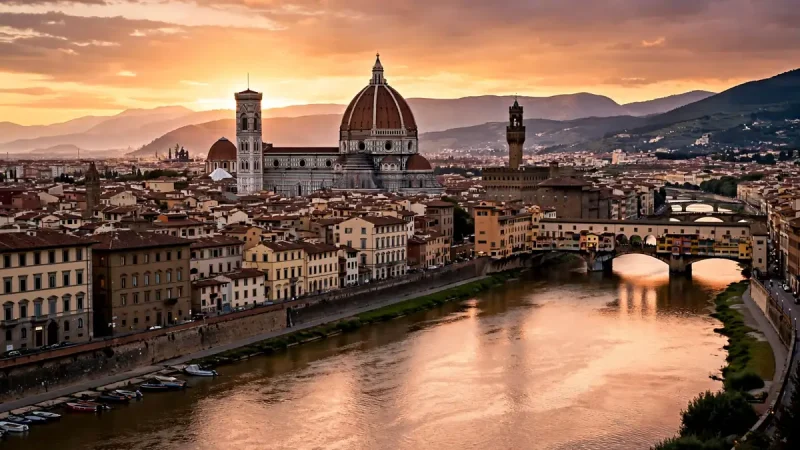

Ask ten travellers about Italy, and arguments begin. Rome loyalists defend the Colosseum with real passion. Florence fans, meanwhile, swear by Renaissance art forever. Venice romantics then end debates with one photograph. So what’s the best place to visit in Italy, honestly? This guide settles it with a fair contest.
Three great cities enter our head-to-head comparison today. Rome brings scale, history, and glorious chaos daily. Florence brings art, walkability, and Tuscan food nearby. Venice brings beauty that exists nowhere else on Earth. Wildcards like Naples and Sicily also get heard. By the verdict, your winner should feel obvious. Ready for round one?
Round One, History: Rome Versus Florence Versus Venice
Rome opens the contest with overwhelming historical weight. The Colosseum still dominates its ancient neighbourhood completely. The Roman Forum spreads ruins beside it evocatively. Layers continue underground, in churches, and across squares. You literally walk through three thousand years here. History lovers, therefore, start with Rome almost automatically.
Florence answers with a tighter, more human story. Its history centres on the Renaissance and Medici power. Brunelleschi’s dome still defines the skyline beautifully today. Streets feel like an open-air museum throughout here. However, the scale stays manageable for weekend visitors. Everything important sits within pleasant walking distance, mostly.
Venice, in contrast, offers history through survival itself. A city built on water should not exist. Yet palaces, churches, and warehouses still stand proudly. The Doge’s Palace explains Venetian power and trade well. Backstreet workshops, meanwhile, preserve crafts like mask-making. History here feels fragile, strange, and deeply moving.
Who wins the history round between them? Rome takes it on sheer depth and variety. Florence places second with its focused Renaissance brilliance. Venice places third, but only in this round. Its story unfolds slowly rather than monumentally, honestly. Readers ranking a wider route can compare the most important places to visit in Europe afterwards.
Round Two, Art and Architecture: Who Inspires Most?
Florence storms ahead during the art round, unsurprisingly. The Uffizi holds Botticelli and Leonardo works closely together. Michelangelo’s David stands across town at the Accademia. Churches hide frescoes by Giotto and Masaccio quietly. Art, therefore, surrounds even casual walkers in Florence. Book major galleries ahead, because demand stays intense.
Rome counters with scale and staggering variety instead. The Vatican Museums contain centuries of collected masterpieces. The Sistine Chapel ceiling still silences crowded rooms. Baroque churches, meanwhile, hide Caravaggio paintings in situ. Bernini sculptures animate fountains and piazzas across Rome. Art lovers could spend weeks without repeating themselves.
Venice offers art inside a dreamlike architectural frame. St Mark’s Basilica glitters with Byzantine mosaics inside. Tintoretto covers the Scuola Grande walls dramatically nearby. Modern art fans, meanwhile, chase the Biennale exhibitions. The Peggy Guggenheim Collection adds modernist balance there. Venice wins atmosphere, although Florence wins depth here.
So who takes the art round overall? Florence wins narrowly on concentration and influence. Rome takes second place on variety and scale. Venice takes third, but wins every photography contest. Architecture lovers should also read about the best historic place to visit in Italy for depth. Each city, honestly, could justify a dedicated trip.
Round Three, Food: Which City Eats Best?
Food may decide this contest for many travellers. Rome cooks with confidence, tradition, and zero fuss. Carbonara, cacio e pepe, and amatriciana headline menus. Trastevere trattorias serve them in lively, crowded rooms. Markets like Testaccio, meanwhile, reward hungry morning walkers. Roman portions respect appetites without chasing trends, thankfully.
Florence answers with Tuscan simplicity and serious steak. Bistecca alla fiorentina arrives thick, rare, and shared. Ribollita soup warms winter lunches across the city. Chianti wines, meanwhile, flow from hills nearby easily. Lampredotto sandwiches challenge adventurous eaters near markets there. Simplicity wins in Florence when ingredients shine honestly.
Venice faces the toughest food reputation here. Tourist menus near major sights disappoint many visitors. However, bacari wine bars save the city’s honour. Cicchetti small plates pair perfectly with local wines. Rialto Market, meanwhile, shows seafood at dawn daily. Dorsoduro and Cannaregio hide better-value kitchens too. Venice rewards research more than Rome or Florence.
Who wins the food round between them? Rome takes it on consistency across every neighbourhood. Florence finishes close behind on regional identity alone. Venice finishes third, despite its excellent bacari scene. Pizza pilgrims should add Naples separately, of course. Our wildcard section below gives Naples its moment.
Round Four, Romance and Atmosphere: Who Steals Hearts?
Venice finally claims a round without any debate. Gondolas glide through quiet canals at dusk beautifully. Mist turns morning squares into film sets there. Couples get lost, and getting lost becomes romance. No cars interrupt conversations anywhere in Venice, ever. Romance seekers, therefore, usually choose Venice first instinctively.
Florence competes with golden light and Renaissance views. Piazzale Michelangelo overlooks domes and towers at sunset. The Arno bridges glow as evening lamps appear. Small wine windows, meanwhile, revive old Florentine traditions playfully. Gardens behind palaces offer quiet escapes from crowds. Florence feels intimate despite its global fame, surprisingly.
Rome offers romance on a grander, messier scale. Orange trees perfume streets near the Aventine Hill. Rooftop views stretch from dome to dome endlessly. Evening passeggiata walks fill historic streets with life. However, traffic and crowds test patience more here. Couples browsing the most romantic places in Europe to visit often shortlist Venice first. Detailed planners can also use the top ten places to visit in Venice, Italy guide.
Round Five, Practicality: Cost, Crowds, and Ease
Practical details quietly shape real holiday happiness too. Rome offers the widest hotel range overall here. Its airports and trains connect almost everywhere easily. However, distances between sights demand planning and patience. Summer heat also challenges walkers in Rome greatly. Shoulder seasons, therefore, suit Rome best for comfort.
Florence wins the walkability contest quite clearly today. Most major sights cluster within the compact centre. Day trips reach Siena and Pisa very easily. Trains connect Florence with Rome and Venice smoothly. Crowds concentrate heavily around the Duomo area, though. Early starts help Florence visitors enormously every day.
Venice demands the most logistical respect from visitors. Luggage crosses bridges and boat docks repeatedly there. Accommodation often costs more than mainland alternatives nearby. Day-trippers crowd the centre during peak hours heavily. Staying overnight, in contrast, transforms the experience completely. Evenings and mornings belong to residents and dreamers. Route planners comparing countries can check the top 15 places to visit in Europe for context.
The Wildcards: Naples, the Amalfi Coast, Tuscany, and Sicily
Our three finalists should not silence Italy’s wildcards. Naples brings energy, pizza heritage, and Pompeii nearby. Its historic centre feels raw, loud, and unforgettable. The Amalfi Coast, meanwhile, stacks villages above blue water. Positano photographs beautifully, although prices rise steeply there. Ravello offers quieter gardens and coastal views above.
Tuscany beyond Florence deserves its own slow trip. Siena rivals Florence with medieval beauty and pride. Val d’Orcia rolls with cypress roads and vineyards. Agriturismo stays serve farm food under big skies. Drivers gain freedom, while train users manage fine. Slow travellers often rank Tuscany above every city.
Northern lakes and mountains change Italy’s mood again. Lake Como mixes elegant villages with alpine backdrops. Lake Garda, in contrast, suits families and windsurfers. The Dolomites offer serious hiking and skiing nearby. Cable cars lift walkers toward dramatic trails safely. Always check seasonal lift and weather information officially.
Sicily plays like a country within Italy. Palermo mixes markets, Norman palaces, and street food. Mount Etna smoulders above Catania and vineyards there. Taormina frames the sea through its Greek theatre. Greek temples at Agrigento rival sites in Greece. Island time, therefore, rewards travellers with extra days.
Provence fans crossing borders often compare the places to visit near St Rémy de Provence next. Istanbul dreamers also weigh the best places to visit in Istanbul against Italy. Spain competes too, so read what are some places to visit in Spain before deciding. Mediterranean choices, honestly, rarely offer a wrong answer.
How Long Should You Give Each City?
Time changes the verdict more than rankings admit. Rome needs four days at a sensible minimum. Its sights spread across many districts and hills. Rushing Rome produces exhaustion rather than wonder, honestly. Add a fifth day for the Vatican properly. Day trips then become bonuses, not necessities, there.
Florence rewards three focused and unhurried days instead. Two days cover the Uffizi and Duomo comfortably. A third day adds Oltrarno workshops and gardens. Tuscan day trips, meanwhile, tempt everyone staying longer. Siena deserves a full separate day trip alone. Pisa pairs easily with Lucca by train.
Venice asks for two nights at the very least. One night only scratches its crowded surface badly. Two nights reveal dawn canals and quiet evenings. A third day adds Murano and Burano islands. Burano’s coloured houses brighten any photo collection instantly. Torcello, in contrast, offers silence and ancient mosaics.
Try this ten-day combination if time allows. Start with three nights in Venice first. Then take four nights in Florence afterwards. Finally, finish with three nights in Rome. Trains connect all three cities quickly and comfortably. Book key museums early, and protect free afternoons. Does that rhythm sound like your Italy?
What Would Locals Tell You First?
Locals usually defend their own city fiercely, naturally. Romans praise neighbourhood life beyond the famous monuments. Florentines, meanwhile, point visitors toward Oltrarno’s artisan streets. Venetians beg visitors to explore beyond St Mark’s. Cannaregio keeps bakeries, workshops, and everyday Venetian life. Local advice, therefore, pushes everyone beyond the postcards.
Season also shapes local recommendations across Italy strongly. Spring suits all three cities before summer heat. Autumn, in contrast, brings harvest food and softer light. Winter suits museums, lower crowds, and cosy trattorias. Summer demands early starts and long lunch breaks. Always verify opening arrangements on official attraction websites.
The Scorecard and the Final Verdict
Let us tally the rounds fairly before deciding.
- History: Rome first, Florence second, Venice third.
- Art: Florence first, Rome second, Venice third.
- Food: Rome first, Florence second, Venice third.
- Romance: Venice first, Florence second, Rome third.
- Practicality: Florence first, Rome second, Venice third.
Florence edges the contest on balance overall. It wins art and practicality without major weaknesses. Rome, however, wins for first-time Italy dreamers. Its icons deliver the classic Italy introduction perfectly. Venice wins for romantics and return visitors instead. Its magic needs time, quiet, and overnight stays.
So what’s the best place to visit in Italy for you? Pick Florence for one balanced and beautiful base. Rome suits you when scale and history excite you. Venice, meanwhile, wins when atmosphere matters above everything else. Add a wildcard whenever your days allow it. Italy, thankfully, rewards every single choice here. Book the train, learn ten Italian food words, and start with whichever city called loudest. Your favourite may surprise you completely once you arrive. That surprise, honestly, is the best souvenir of all.

