

You land in Spain with one simple problem. Every region sounds unmissable, and your days feel far too few. So where do you actually start? Honestly, that confusion is a good sign here. Spain rewards travellers who move slowly between very different places. One morning brings Gaudí curves and sea air. The next morning, meanwhile, brings orange trees and flamenco echoes.
This guide follows a loose journey across the country. We start in Catalonia, then cross the central plains to Madrid. After that, we drift south into Andalusia and east to Valencia. Finally, we finish in the green north and on the islands. Along the way, you will find tapas stops and honest trade-offs. Ready to pick your first stop?
Barcelona and Catalonia, Where the Journey Begins
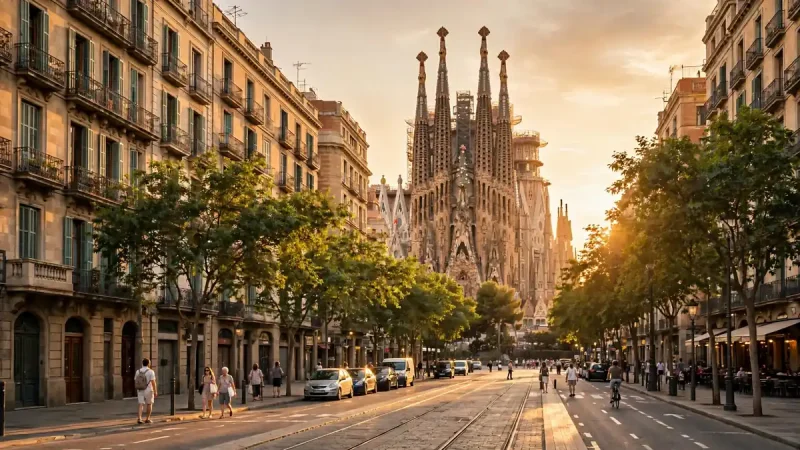
Barcelona makes an easy and joyful first chapter. The Sagrada Família still rises above the Eixample streets. Its towers catch the light in a truly strange way. Park Güell, in contrast, feels playful and almost dreamlike. Mosaic lizards guard the steps there, so bring your camera. Book popular sights ahead, because queues can grow long.
Beyond the icons, neighbourhood life carries the real charm. Gràcia feels village-like, with small squares and late coffee. El Born, meanwhile, hides boutiques inside medieval lanes. For example, a simple vermouth before lunch can become a ritual. Also try the beach at Barceloneta on a calm morning. Locals swim early, and the promenade stays peaceful then.
Day trips stretch the Barcelona stay beautifully. Girona offers quiet lanes, a cathedral, and riverside houses. Montserrat, in contrast, gives you jagged peaks and a mountain monastery. Tarragona adds Roman ruins right beside the sea. So should you rush onward after two days? Probably not, because Catalonia alone could fill a week.
- Best for: first-timers, design lovers, and food fans.
- Try this: visit one big sight early, then wander freely.
- Skip if: you crave silence during peak summer weeks.
Madrid, the Capital That Grows on You
Madrid rarely shouts for attention at first glance. Instead, it wins you over slowly and warmly. The Prado holds masterpieces by Velázquez and Goya. The Reina Sofía, meanwhile, holds Picasso’s powerful Guernica. Together, those two museums could fill a full day. Pace yourself, though, because museum fatigue is real.
Life between the museums matters just as much. Retiro Park gives you rowing boats and shady paths. Plaza Mayor, in contrast, gives you people-watching and history. For example, order a bocadillo de calamares near the square. It sounds odd, yet locals genuinely love it. Also explore Malasaña for vintage shops and small bars.
Madrid also works brilliantly as a base. Toledo sits close by, with layered Christian, Jewish, and Muslim heritage. Segovia, meanwhile, stuns visitors with its Roman aqueduct. Ávila adds complete medieval walls and quiet streets. So day trips here feel easy and rewarding. If you love grand capitals, compare notes with the most important places to visit in Europe next.
Evenings in Madrid start late and end later. Dinner before nine can feel surprisingly early here. Tapas crawls, however, turn that habit into fun. Hop between bars, and share small plates each time. Churros with thick chocolate then finish the night perfectly. Is there a better midnight snack anywhere?
Seville, Granada, and Córdoba in the South
Andalusia changes the mood completely and deliciously. Seville glows with orange trees and tiled courtyards. Its cathedral ranks among the largest Gothic churches anywhere. The Alcázar, meanwhile, layers Moorish and Christian design beautifully. Wander the Barrio Santa Cruz slowly after sightseeing. Small plazas appear, and suddenly you are happily lost.
Evenings belong to flamenco in Seville. A small tablao show can feel intense and intimate. Clapping rhythms build, and the room goes quiet. For example, Triana across the river keeps a local feel. Pottery workshops still line its streets there. Also cross back at sunset for golden river views.
Granada then delivers Spain’s most famous palace. The Alhambra watches the city from its hilltop. Book tickets well ahead, because demand stays high. The Albaicín quarter, in contrast, offers white lanes and viewpoints. From Mirador de San Nicolás, the palace view stuns everyone. Tea houses there serve mint tea and sweet pastries.
Córdoba deserves more than a quick stop. Its Mezquita blends mosque arches with a cathedral heart. That mix tells Spain’s layered story in one building. May brings flower-filled patios in Córdoba, too. Homeowners open courtyards, and geraniums spill everywhere. Planning a wider route? The top 15 places to visit in Europe shows how Spain fits a bigger trip.
Valencia and the Mediterranean East Coast
Valencia often surprises travellers in the best way. The City of Arts and Sciences looks futuristic. White curves rise beside shallow blue pools there. The old town, meanwhile, keeps markets and silk history. Central Market overflows with oranges, ham, and seafood. Arrive hungry, because tasting becomes unavoidable here.
Paella was born in Valencia, so respect the original. Traditional versions use rabbit, chicken, and beans. Seafood versions exist, yet locals debate them fiercely. For example, lunch matters more than dinner for paella. Restaurants cook it fresh at midday, usually. Also walk the Turia Gardens in the former riverbed.
Beaches stretch close to the city centre. Malvarrosa gives you sand, promenades, and chiringuitos. Cyclists ride the park straight toward the sea. Albufera lagoon, in contrast, offers rice fields and sunsets. Boat rides there feel calm and timeless. Could Valencia be Spain’s most liveable stop?
Southward, Alicante and the Costa Blanca add resorts. Northward, meanwhile, the Costa Brava turns rugged and pretty. Cadaqués charmed Dalí, and its white houses still shine. Small coves reward walkers along coastal paths there. So the east coast suits slow, sunny itineraries best.
The Green North, From the Basque Country to Galicia
Northern Spain looks and tastes completely different. Rain feeds green hills, and cider replaces sangria. San Sebastián anchors the Basque coast beautifully. Its La Concha bay curves like a postcard. Pintxos bars, meanwhile, turn dinner into a treasure hunt. Each counter displays small, perfect bites on bread.
Bilbao adds bold art and industry-turned-culture. The Guggenheim Museum transformed the riverfront there. Inside, contemporary exhibitions fill huge bright spaces. Outside, the titanium curves photograph beautifully at dawn. Also ride the funicular for city views above. Food markets nearby sell cheese, peppers, and txakoli wine.
Galicia, in contrast, feels Celtic and misty. Santiago de Compostela ends the famous Camino pilgrimage. Pilgrims arrive daily in the cathedral square there. Emotions run high, and strangers hug each other. The seafood, meanwhile, ranks among Spain’s finest anywhere. Try pulpo a la gallega with paprika and oil.
Asturias and Cantabria sit between those two regions. They offer cliffs, cider houses, and quiet villages. The Picos de Europa rise sharply inland there. Hikers find lakes, gorges, and stone hamlets nearby. So the north suits travellers escaping summer heat. Couples browsing the most romantic places in Europe to visit often add San Sebastián.
The Balearic and Canary Islands
Islands change the pace once again. Mallorca mixes coves, mountains, and Palma’s cathedral. The Serra de Tramuntana offers drives with serious views. Ibiza, meanwhile, hides quiet villages beyond its nightlife. Santa Gertrudis and the north feel calm and rural. Menorca moves slowest, with turquoise coves and footpaths.
The Canary Islands sit far south near Africa. Tenerife brings Mount Teide and year-round mild weather. Lanzarote, in contrast, shows black lava fields and art. César Manrique blended buildings into volcanic landscapes there. Gran Canaria adds dunes beside lively resorts. Fuerteventura, meanwhile, draws windsurfers to long beaches.
Which island should you choose first? Beach purists often pick Menorca or Fuerteventura. Hikers, however, lean toward Tenerife or La Palma. Families like Mallorca for its variety and connections. Check official ferry and flight details before booking. Schedules vary by season, so flexibility helps a lot.
Small Towns and Slower Corners Worth the Detour
Big cities thrill you, but small towns stay with you. Ronda perches above a dramatic gorge in Andalusia. Its bridge photographs well, yet the old town matters more. White lanes lead to quiet churches and viewpoints. Hemingway loved this area, and writers still visit. Arrive early, because day-trip crowds build by midday.
Cuenca, in contrast, hangs its houses over cliffs. The old town sits between two river gorges. Abstract art fills a museum inside those hanging houses. It feels surreal, honestly, and wonderfully calm. Úbeda and Baeza, meanwhile, showcase Renaissance streets in Jaén. Olive groves surround both towns for miles.
Up north, Albarracín charms almost everyone who visits. Pink stone houses climb a fortified hill there. The drive feels remote, yet the reward feels huge. Besalú in Catalonia adds a medieval bridge and arcades. Frigiliana near Málaga, meanwhile, stacks white houses uphill. Each town rewards one slow afternoon, at least.
What food should you chase along the way? Jamón ibérico tops most lists for good reason. Tortilla española appears everywhere, with onion debates included. Gazpacho cools summer days in the south perfectly. Gambas al ajillo sizzle in garlic oil barside. Save room, because regional desserts change constantly too.
How to Build Your Spain Route?
Start by choosing two or three regions only. Spain looks compact, yet distances add up quickly. Fast trains link Madrid with Barcelona and Seville. Those routes save hours compared with driving. Regional trains and buses then handle shorter hops. Always check current timetables on official operator sites.
Season shapes the experience more than people expect. Spring suits Andalusia before the serious heat builds. Autumn, meanwhile, suits Madrid and the north beautifully. Summer belongs on the coast or the islands. Winter city breaks still work well in Valencia. Festivals also matter, so check local calendars early.
Try this simple planning checklist before booking anything:
- Pick one big city and one slower base.
- Add one day trip, but protect one free day.
- Book Alhambra and Sagrada Família tickets early.
- Learn ten food words, and use them daily.
- Leave space for one unplanned neighbourhood wander.
Dreaming beyond Spain afterwards? Portugal pairs naturally with a western route, so explore the top places to visit in Lisbon, Portugal too. Italy also competes for the same holiday days. Our honest take on what’s the best place to visit in Italy helps you compare. Book lovers can browse the 1001 Places to Visit Before You Die book for inspiration. Couples planning ahead may enjoy the best places to visit in Europe for Valentine’s Day as well.
One Last Plaza Moment Before You Decide
One last tip comes from experience, honestly. Spanish plazas reward travellers who simply sit down. Order a coffee, watch grandparents chat, and breathe. Children chase pigeons while waiters weave between tables. Nothing famous happens, yet everything feels alive there. Those quiet minutes often become favourite memories later.
So what are some places to visit in Spain for you? Your answer depends on your travel style, honestly. Art lovers start in Madrid, while beach seekers head east. Food fans race north, and history buffs go south. Pick your region, slow down, and eat well. Spain will handle the rest, beautifully.

