

International tourism across Japan has expanded at an astonishing pace over recent years. For decades, first-time travelers concentrated heavily on the bustling Golden Route connecting Tokyo, Kyoto, and Osaka. However, severe overcrowding and long queues have prompted travelers to seek tranquil rural destinations. Therefore, discovering authentic regional gems has become a top priority for mindful vacationers. Many adventurous travelers research regional train passes and hidden destinations across our main portal. Through these resources, readers discover how structured trip planning transforms international journeys into deeply restorative vacations. In our definitive travel guide, Best Places to Visit in Japan That Are Not Touristy highlights tranquil regional sanctuaries. Specifically, this curated guide explores pristine cedar forests, quiet canal towns, ancient mountain temples, and dramatic coastal islands.
Discerning travelers evaluate far more than iconic sightseeing landmarks when exploring East Asia. In addition, vacationers prioritize crowd-free walking paths, authentic culinary heritage, ethical community engagement, and reliable regional transit. By exploring our international travel guides in our dedicated travel category archive, outdoor enthusiasts discover practical journey advice. In this extensive guide, we examine the finest uncrowded destinations across northern, central, and southwestern Japan. Furthermore, we explore Tohoku, Shikoku, Kurashiki, Gujo Hachiman, Yakushima, and Toyama. Finally, we provide a step-by-step roadmap. These practical tips help you navigate regional trains, pack light luggage, and book traditional ryokans.
The Quest for Authenticity: Venturing Beyond the Golden Route
Specifically, the famous Golden Route represents less than five percent of Japan’s total land area. While Tokyo’s neon towers and Kyoto’s historic shrines remain iconic, heavy tourist crowds can feel overwhelming. In fact, many travelers find their most cherished memories in quiet provincial prefectures far from crowded tour buses.
Specifically, Japan’s extensive regional rail network allows travelers to reach undisturbed rural valleys easily. High-speed bullet trains transition into scenic local branch lines winding through terraced rice paddies and coastal fishing hamlets. Furthermore, traveling off the beaten path supports rural economies and helps preserve traditional craft heritage. In addition, regional cuisine highlights seasonal agricultural produce and fresh seafood harvested hours before serving. Visitors can explore ancient cedar groves and historic post towns without jostling for camera angles. As a result, exploring non-touristy regions delivers genuine cultural serenity and heartfelt local hospitality.
In addition, managing high-volume regional tourism operations mirrors broader enterprise scaling strategies. For example, organizational operational models detailed in scaling business services growth demonstrate the necessity of disciplined capacity planning. Similarly, strategic research in small business growth and marketing analysis proves this point. Customer-focused execution preserves commercial brand loyalty across changing seasons. Regional tourism boards apply these exact organizational principles to maintain heritage monuments and welcome independent travelers.
Comprehensive Non-Touristy Japan Destinations Comparison Matrix
| Destination & Region | Primary Landscape Vibe | Signature Hidden Gem | Best Outdoor Activity | Ideal Visiting Season |
|---|---|---|---|---|
| Tohoku Region (Northern Honshu) | Pristine alpine forests & volcanic gorges | Yamadera Mountain Temple & Oirase Stream | Hiking mossy gorges & coastal trail walks | Autumn for vibrant crimson foliage |
| Shikoku Island (Southwestern Japan) | Rugged gorges & sacred pilgrimage trails | Iya Valley vine bridges & Ritsurin Garden | River rafting & hiking ancient temple trails | Spring and autumn for mild weather |
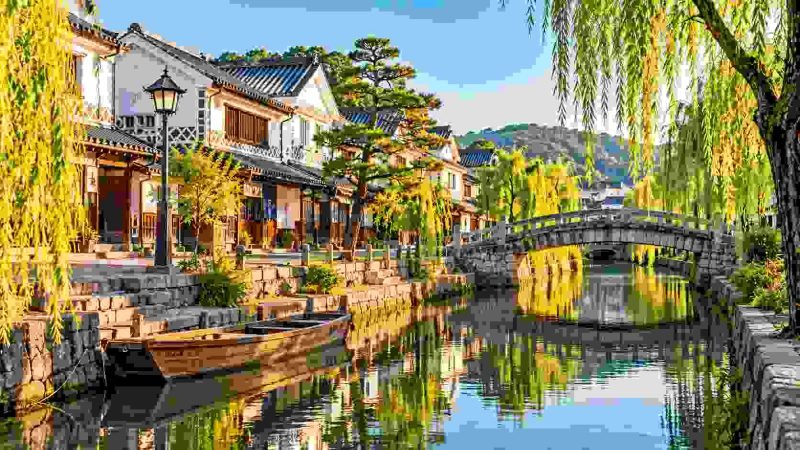
| Kurashiki Bikan (Okayama) | Preserved Edo-period canal merchant town | Willow-lined canals & black-tile storehouses | Canal punt boat rides & artisan denim shopping | Year-round (especially spring blossoms) |
| Gujo Hachiman (Gifu) | Historic water castle town & clean streams | Pristine streetside canals & Gujo Castle | Summer night folk dancing & castle hiking | Summer for energetic Gujo Odori festivals |
| Yakushima Island (Kagoshima) | Subtropical primeval ancient cedar rainforest | Jomon Sugi thousand-year-old cedars | Trekking through misty moss-draped forests | Late spring and autumn for trekking |
| Toyama Bay Coast (Chubu) | Coastal bay beneath towering Japanese Alps | Shinminato canals & Tateyama Alpine Route | Boutique bay cruising & seafood tasting | Spring for snow corridors & firefly squid |
1. The Tohoku Region: Ancient Temples and Untamed Northern Wilderness
Specifically, occupying the northern tip of Honshu island, the Tohoku region remains wonderfully free from international crowds. Comprising six distinct prefectures, this northern wilderness features volcanic mountain ranges, deep river gorges, and secluded hot springs. The region offers an authentic immersion into rural Japanese folklore and hospitality.
Specifically, Tohoku enchants independent travelers through diverse cultural and natural landscapes:
- Yamadera Mountain Temple: Climb one thousand stone steps through towering cedar trees to reach a clifftop temple overlooking Yamagata valley.
- Oirase Mountain Stream: Hike gentle moss-lined trails alongside crystal-clear rushing streams and tumbling cascades in Aomori Prefecture.
- Kakunodate Samurai Town: Stroll wide earthen avenues. Preserved Edo-era samurai estates and weeping cherry trees line historic streets in Akita.
- Matsushima Bay Islands: Take scenic boat cruises across a protected bay dotted with over two hundred pine-covered sandstone islands.
Furthermore, Tohoku’s regional rail passes make traveling between rural valleys both convenient and economical. In fact, relaxing in natural outdoor hot springs while listening to mountain rivers brings profound peace. Consequently, Tohoku stands as an essential first choice for travelers seeking vast northern tranquility.
2. Shikoku Island: Sacred Valleys, Vine Bridges, and Feudal Castles
Separated from the mainland by the Seto Inland Sea, Shikoku is Japan’s least-visited major island. Famous for its ancient eighty-eight-temple Buddhist pilgrimage route, Shikoku retains a slow, meditative pace of life. Rolling citrus orchards, dramatic river gorges, and quiet fishing ports characterize its coastline.
Specifically, Shikoku delivers unforgettable off-the-beaten-path outdoor discoveries:
- The Remote Iya Valley: Cross historic pedestrian bridges hand-woven from living mountain vines suspended high over rushing river canyons.
- Ritsurin Garden in Takamatsu: Wander a four-hundred-year-old daimyo strolling garden. It features tranquil koi ponds and historic tea pavilions.
- Historic Kochi Castle: Explore one of Japan’s twelve surviving original wooden castle keeps, standing proudly above subtropical streets.
- The Dogo Onsen Retreat: Soak in one of Japan’s oldest historic hot spring bathhouses, celebrated in classic Japanese literature.
In addition, sampling fresh Sanuki udon noodles at rustic roadside eateries introduces travelers to local culinary perfection. Friendly local residents welcome travelers with warm smiles and thoughtful hospitality. Therefore, Shikoku serves as a peaceful sanctuary for reflective cultural travel.
3. Kurashiki Bikan Historical Quarter: Willow-Lined Canals and White Warehouses
Located in Okayama Prefecture just fifteen minutes from Okayama City, Kurashiki feels worlds away from crowded modern metropolises. In fact, during the Edo period, Kurashiki served as an essential rice distribution center. Specifically, wealthy merchants built distinctive white-walled storehouses known as kura alongside scenic transport canals.
Specifically, the historic Bikan quarter charms travelers through preserved merchant architecture:
- Willow-Lined River Canals: Board traditional wooden punt boats steered by local boatmen wearing woven straw hats along calm canals.
- Edo-Era White Warehouses: Admire historic storehouses with black ceramic tile grids and whitewashed fireproof walls.
- The Ohara Art Museum: Visit Japan’s first Western art museum, housing masterpieces by Monet, Picasso, and El Greco.
- Artisanal Kojima Denim Shops: Browse boutique clothing shops selling handcrafted selvedge denim produced in nearby Kojima.
Furthermore, motor vehicles are completely banned within the historic canal core. Strolling along stone footbridges at twilight while gas lanterns illuminate weeping willow trees feels timeless. As a result, Kurashiki provides a quiet, romantic canal alternative to crowded tourist centers.
4. Gujo Hachiman: The Feudal Water Castle Town of Gifu
Nestled in a misty mountain valley along the Yoshida River, Gujo Hachiman is affectionately known as the “Water Town.” Established in the sixteenth century beneath a mountaintop castle, the town features pristine waterways running past residential doorsteps. In fact, residents still use these clear mountain canals to wash vegetables and chill summer watermelons.
Specifically, Gujo Hachiman delights visitors through historic water systems and festive traditions:
- Historic Mountain Castle: Hike through pine forests to reach Gujo Hachiman Castle, an elegant reconstructed wooden fortress perched on cliffs.
- Pristine Street Canals: Observe colorful koi fish swimming through stone street troughs fed by clean mountain springs.
- Handcrafted Food Replicas: Tour artisan workshops where craftsmen create realistic wax food models displayed in Japanese restaurant windows.
- The Gujo Odori Dance Festival: Join friendly locals during midsummer nights for centuries-old traditional folk dancing in public streets.
In addition, the gentle sound of flowing mountain water echoes through every narrow residential lane. Visiting quiet moss gardens at local Buddhist temples provides refreshing afternoon tranquility. Consequently, Gujo Hachiman stands as a hidden gem for travelers seeking historic mountain authenticity.
5. Yakushima Island: Primeval Rainforests and Thousand-Year-Old Cedars
Located off the southern coast of Kyushu, Yakushima is an ancient subtropical island wrapped in swirling ocean mists. Specifically, designated as a UNESCO World Heritage site, the island receives abundant rainfall that nourishes dense primeval cedar forests. In fact, the moss-draped forest canopies famously inspired Hayao Miyazaki’s classic animated film Princess Mononoke.
Specifically, Yakushima enchants wilderness hikers through ancient ecological wonders:
- Jomon Sugi Cedar Tree: Trek to an ancient colossal cedar tree. Botanists estimate its age between two thousand and seven thousand years.
- Shiratani Unsuikyo Ravine: Hike across wooden footbridges through enchanting ravines blanketed in hundreds of species of green moss.
- Secluded Natural Hot Springs: Soak in seaside tidal onsens like Hirauchi Kaichu Onsen, accessible only during low ocean tide.
- Native Island Wildlife: Observe gentle Yaku deer and wild monkeys roaming freely through coastal roads and mossy forests.
Furthermore, the island’s remote location deters casual day-trippers, preserving peaceful hiking trails. Clean ocean air and ancient forest aromas rejuvenate weary minds and bodies. Therefore, Yakushima represents the ultimate wilderness escape for serious nature lovers.
6. Toyama Bay and Shinminato: Alpine Peaks and Coastal Waters
Specifically, situated along the rugged coast of the Sea of Japan, Toyama offers dramatic contrasts between sea and mountains. The bay sits directly beneath the towering three-thousand-meter peaks of the northern Japanese Alps. This dramatic geographical backdrop creates breathtaking coastal vistas found nowhere else in the country.
Specifically, Toyama enchants travelers through maritime charm and seasonal phenomena:
- Shinminato Uchikawa Canals: Stroll along peaceful residential canals known as the “Little Venice of Japan,” crossed by artistic bridges.
- Luminous Firefly Squid: Witness magical blue bioluminescent squid lighting up coastal bay waters during early spring nights.
- Fresh White Shrimp Seafood: Savor sweet white shrimp sashimi caught daily from the deep submarine canyons of Toyama Bay.
- Tateyama Alpine Gateway: Venture into high-altitude mountain corridors featuring towering twenty-meter snow walls during spring.
In addition, Toyama remains largely unnoticed by foreign package tour groups. For example, visitors enjoy quiet art museums, scenic coastal bike paths, and unhurried dining at neighborhood sushi counters. As a result, Toyama delivers a refreshing coastal interlude filled with dramatic alpine scenery.
Commercial Tourism Logistics, Regional Transport, and Rural Financing
Specifically, maintaining rural train routes, heritage canal masonry, and national park boardwalks requires continuous capital investment. Specifically, regional rail companies, municipal tourism boards, and conservation foundations coordinate infrastructure logistics. In fact, preserving fragile historic districts while providing modern visitor conveniences demands structured corporate underwriting and sustained liquidity.
Regional transport operators and heritage hospitality enterprises frequently finance equipment through specialized commercial financing programs. For instance, rural transport ventures evaluate asset funding options like Northmill equipment finance. This secures energy-efficient local diesel trains and electric buses while preserving liquid reserves. In addition, growing regional hospitality providers explore credit lines like Navitas financial solutions to fund traditional ryokan restorations. Commercial real estate developers also analyze institutional rural lodging debt models detailed in Lument real estate capital investments. Meanwhile, distinctive regional destination branding draws inspiration from creative design principles in Flowfury Entertainment logo strategies.
Holistic Lifestyle Balance, Forest Bathing, and Rural Wellness
In fact, journeying through rural Japan offers remarkable physical and mental wellness benefits. Walking through ancient cedar forests and mountain trails provides natural cardiovascular exercise and strengthens leg muscles. In fact, breathing forest phytoncides during mindful shinrin-yoku forest bathing lowers stress hormones and elevates mental clarity.
Moreover, committing to balanced daily routines supports physiological stamina and long-term health. For example, daily walking practice along gentle rural pathways promotes cardiovascular circulation and joint mobility. This practice aligns with exercising 40 minutes every day to maintain whole-body physical fitness. In addition, an early evening kaiseki dinner of local mountain vegetables supports restful sleep. These practices reflect principles discussed in benefits of early dinner for digestion. Many mindful travelers design peaceful home sanctuaries inspired by principles of balanced lifestyle luxury and wellness.
Furthermore, maintaining overall personal wellness involves regular consultations with trusted healthcare providers for physical screenings. Respected clinics, such as the Muskingum Valley Health Center and the Gastonia Health Department, emphasize preventive healthcare. They provide hiking safety counseling, joint mobility guidance, and seasonal hydration advice. Meanwhile, regional travel marketing agencies expanding in competitive metropolitan markets evaluate promotional models in advertising marketing growth in Los Angeles.
Cultural Etiquette and Sustainable Travel in Rural Japanese Communities
Specifically, exploring quiet rural towns requires conscious cultural mindfulness and respectful etiquette. Unlike major cities with extensive multilingual signs, small hamlets maintain delicate residential rhythms. Practicing considerate travel habits ensures that local communities continue to welcome independent visitors warmly.
Specifically, travelers should observe several practical guidelines during their rural visits:
- Remove Footwear at Traditional Entrances: Take off outdoor shoes when stepping onto tatami mats, changing into provided indoor slippers.
- Carry Personal Waste in Daypacks: Rural villages lack public garbage bins; carry personal trash until returning to your accommodations.
- Respect Residential Privacy in Post Towns: Never peer through private courtyard windows or photograph local residents without warm permission.
- Learn Basic Japanese Courtesy Phrases: Speaking simple phrases like arigato gozaimasu fosters mutual goodwill and friendly smiles.
In addition, carrying sufficient Japanese yen cash is essential in rural areas. Family-run bakeries, country bus lines, and rural temple entrances rarely accept foreign credit cards. Consequently, thoughtful preparation ensures that your interactions with local shopkeepers remain smooth and enjoyable.
Step-by-Step Guide: How to Plan an Off-the-Beaten-Path Trip to Japan
Specifically, coordinating a journey beyond the Golden Route is seamless when organized with realistic pacing. Follow this practical roadmap to structure your transit, reserve accommodations, and travel with total confidence:
- Select Regional Focus Zones: First, choose one region like Tohoku or Shikoku. Limiting regions minimizes long intercity travel days.
- Buy Regional Rail Passes Early: Second, purchase regional JR train passes online. Rail passes provide unlimited bullet train and bus travel.
- Book Traditional Ryokans Early: Third, reserve family-run Japanese inns in advance. Popular onsen towns maintain very few guest rooms.
- Forward Heavy Luggage Between Cities: Fourth, ship large suitcases using takkyubin luggage delivery, traveling on country trains with light daypacks.
- Download Offline Maps and Translation Tools: Fifth, install translation apps and offline regional transit maps to navigate rural stations smoothly.
- Carry Ample Cash for Travel: Finally, withdraw Japanese yen cash at airport ATMs before heading into remote mountain villages.
Following this disciplined itinerary roadmap ensures that your rural Japanese journey remains relaxed, culturally enriching, and deeply rewarding.
Frequently Asked Questions About Non-Touristy Places in Japan
What is the single best place in Japan to visit without tourists?
Specifically, the Tohoku region and Shikoku Island are premier choices, offering pristine nature, historic castles, and minimal tourist crowds.
Is it difficult to travel in rural Japan without speaking Japanese?
In fact, modern smartphone translation apps, bilingual station signs, and welcoming local hospitality make rural navigation straightforward for international travelers.
Do bullet trains connect to non-touristy regions in Japan?
Yes, Shinkansen bullet trains reach northern Tohoku, Toyama, and Okayama. They connect directly to regional buses and scenic rural rail lines.
What is the best season to explore rural Japan?
Specifically, spring from April to May and autumn from October to November provide pleasant temperatures and beautiful mountain scenery.
Conclusion: Discovering the Peaceful Soul of Japan
Japan’s timeless beauty flourishes far beyond the neon corridors and bustling crowds of its largest metropolitan centers. Exploring the Best Places to Visit in Japan That Are Not Touristy reveals peaceful charm. Mountain temples and quiet waterways inspire wonder. Climb the mossy stone steps of Yamadera, cruise Kurashiki’s canals, or trek Yakushima. Unforgettable wonder awaits across rural Japan.
Venturing beyond the conventional tourist trail refreshes the soul, deepens cultural understanding, and creates treasured memories that last a lifetime. Pack your walking shoes and embrace countryside tranquility. Embark on your unforgettable journey to hidden Japan today!

