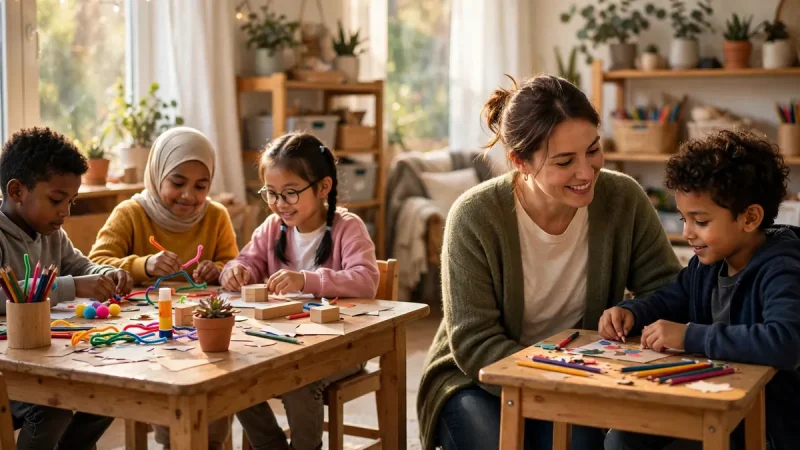

Some days in special education feel quietly heroic. A learner reads a full sentence after months of practice. Another learner asks for help with clear, brave words. Small moments like those rarely make any headlines, sadly. Yet teachers and families carry those moments for years. Sayings about special education give those feelings a voice. Short lines can steady a hard morning quite surprisingly. Which line has carried you through a tough week?
This collection gathers gentle, widely shared classroom sayings. None of the lines below belong to a single famous name. Teachers pass sayings like these hand to hand daily. Families tape them to fridges and tuck them into lunchboxes. Alongside those shared lines, you will find fresh encouragement too. Read slowly, save your favourites and share them generously. After all, the right sentence can reopen a closed heart. Whose heart could use reopening in your school today?
Why Do Short Sayings Matter So Much Here?
Special education work blends skill, patience and deep emotion. Plans, assessments and meetings fill the professional side daily. Feelings, however, fill the human side just as fully. A short saying can name a feeling in seconds. Naming a feeling often makes that feeling easier to carry. Therefore, staff rooms and classroom walls collect these lines naturally. They remind busy adults why the work matters most.
Learners benefit from that steady language as well, of course. Repeated sayings become part of a classroom’s shared culture. Children borrow courage from words they hear every week. Meanwhile, families use the same words at home during homework. Shared language then bridges school and home quite gently. Indeed, a single line can align a whole support team. Which saying already lives on your classroom wall now?
Sayings About Pace, Patience and Small Steps
Progress in special education rarely follows a straight line. Growth often arrives in spirals, pauses and sudden leaps. The sayings in this group honour that uneven rhythm warmly. Teachers often read them before challenging lessons or reviews. Families, meanwhile, repeat them during slow homework evenings at home.
- Every learner blooms in a season of their own.
- Small steps still count as real steps forward.
- Patience is a teaching tool, not a delay.
- Slow progress is still progress worth celebrating loudly.
- A winding path can still reach a beautiful place.
Each line above reframes waiting as active work, honestly. Waiting with a plan differs completely from waiting with worry. Teachers track tiny gains because tiny gains compound over time. Meanwhile, learners feel safer when adults respect personal pace. Rushed children often hide confusion behind silence or behaviour. Calmer pacing, instead, invites honest questions and brave attempts. Does your timetable leave room for that calmer pacing?
Sayings About Strengths and Different Ways to Learn
Strength-based language changes how a whole room feels. Children listen closely to how adults describe their learning. Labels may guide support, but labels never define worth. The sayings below keep strengths in the foreground always. Post them where learners can read them every single day.
- Different ways of learning, equal worth in every learner.
- A need describes support, never a child’s limit.
- Every mind carries a door; teaching finds the key.
- Strengths grow louder when somebody names them first.
- The right support turns struggle into strategy over time.
Classroom design quietly reinforces that strength message as well. Seating, lighting and quiet corners all shape daily focus. Our collection of classroom floor plan ideas shows how layout supports different learners. Flexible spaces let children choose calmer or livelier work spots. Meanwhile, visual schedules and clear zones reduce daily confusion greatly. Words and rooms together tell learners they belong here. What does your room silently say to a nervous child?
Sayings for Teachers on the Hard Days
Even devoted teachers meet days that drain everything. Paperwork piles up while a lesson unravels in real time. A learner’s hard morning can echo in your chest. The sayings in this group speak directly to staff. Read them in the car park before you walk in.
- You cannot pour from an empty cup, teacher.
- One hard day never erases a year of care.
- The child who tests you may need you most.
- Rest is part of the lesson plan too.
- Your calm voice is somebody’s safest sound today.
Colleagues often carry each other through those heavy stretches. A sticky note on a monitor can rescue an afternoon. Likewise, a kind word in the corridor travels surprisingly far. Schools grow healthier when staff share encouragement this openly. Meanwhile, new teachers absorb that culture within their first term. Indeed, morale spreads through small repeated kindnesses, not grand speeches. Which colleague could use one of these lines today?
Career support matters alongside emotional support for educators, naturally. Teachers planning their next step may explore education degree job opportunities for fresh direction. Specialist roles grow from classroom experience like yours every year. Assessment experts, for example, build entire careers around understanding learners. Our guide to educational diagnostician salary insights explains that pathway in plain language. Every route still begins with believing in learners first. Does your next chapter stay inside the classroom or beyond?
Sayings for Families Who Advocate Every Day
Families carry knowledge that no assessment can fully capture. Parents and carers notice sleep, mood and tiny daily victories. Advocacy grows from that close, loving observation over years. The sayings below honour that steady family expertise warmly. Share them at support groups, meetings and kitchen tables.
- Nobody knows a child like the people who love them.
- Your voice in the meeting room truly matters here.
- Love does the homework that fear never could.
- Advocacy is love wearing its brave face today.
- Home is the first classroom and the kindest one.
Family learning takes many shapes across a lifetime, of course. Some parents return to study while raising their children. Others join courses that strengthen family life directly together. Programmes like a Texas premarital education course show how guided learning supports households. Similarly, adult classes can refresh a parent’s confidence and patience. Meanwhile, children watch that learning and copy its courage. Your growth quietly teaches your child to keep growing. Which course or group has strengthened your family most?
Sayings About Inclusion and Belonging
Inclusion means far more than sharing the same room. True belonging means classmates notice when someone is missing. Teachers design activities where every learner contributes something real. The sayings in this final group celebrate that wider welcome. Read them during kindness weeks and class meetings alike.
- A classroom feels richer when every voice joins in.
- Belonging begins the moment somebody saves you a seat.
- Kindness is a curriculum that every child can master.
- Together is not a place; together is a practice.
- Every learner brings a gift the group still needs.
Wider systems shape that belonging beyond one classroom, too. Alternative pathways, like those in transforming lives through alternative basic education, widen second chances globally. Flexible routes welcome learners whom rigid systems once excluded completely. Meanwhile, whole education ecosystems improve when inclusion guides funding decisions. The thinking inside benchmarking success across an education ecosystem echoes that systems view. One child’s welcome depends on many adults coordinating well. How does your school welcome a brand-new learner mid-year?
Sayings Learners Can Say to Themselves
Children need kind words inside their own heads too. Self-talk shapes how a learner meets a hard worksheet. Teachers can model these lines aloud during tricky tasks daily. Then learners borrow the lines until the lines feel natural. The sayings below use simple words for young voices.
- My brain learns in its own brave way.
- Hard does not mean impossible for me today.
- Asking for help is a strong thing to do.
- I can try one small part first now.
- Mistakes show me where the learning lives here.
Repetition turns those lines into genuine inner tools, honestly. Morning meetings give classes a calm moment to practise together. Individual learners may prefer one private line on a bookmark. Meanwhile, older students often write their line inside a planner. Ownership matters more than decoration at every single age. A chosen line survives embarrassment better than an assigned slogan. Indeed, self-belief grows when children hear their own voice first. Which line would your younger self have loved hearing?
Sayings About Teamwork Around One Child
No learner grows inside a single pair of hands. Teachers, assistants, therapists and families form one wide circle. Meetings work better when that circle shares respectful language together. The sayings in this group celebrate that shared responsibility warmly. Read them before team reviews or planning days begin.
- Many hands, one child, a single shared goal.
- Every specialist sees one more piece of the puzzle.
- Questions in the meeting room protect children outside it.
- A plan grows stronger when every voice shapes it.
- Trust between adults becomes safety for the child.
Shared sayings also soften professional disagreements during difficult reviews, surprisingly. A team under pressure can forget its common purpose briefly. One gentle line on the agenda can reopen listening quickly. Meanwhile, written plans capture decisions better than memory ever will. Kind language keeps those written plans humane and realistic too. Families notice that tone and relax into honest partnership faster. Indeed, teamwork language quietly becomes teamwork behaviour over time. What does your team sound like on its hardest days?
How Can You Use These Sayings Well?
Placement decides whether a saying lands or fades, honestly. Put one line where the right person will meet it. A teacher line belongs in the staff room, obviously. A family line belongs on a meeting folder or fridge. Learner lines belong at child eye level, in clear print. Rotate the lines monthly so fresh eyes keep noticing them. Familiar walls become invisible faster than most people expect.
Timing adds a second layer of power, in practice. Share a patience saying before assessments or review meetings begin. Read a belonging saying during the first week of term. Meanwhile, send a family saying home inside a positive note. Good news notes build trust long before difficult conversations arrive. Also, let learners choose a class saying together each term. Chosen words carry more weight than imposed words, usually. Which saying will your group choose for this term?
Adults keep learning new language for this work too. Flexible study routes, such as BCIT adult education for working adults, help staff refresh skills. Short courses can deepen knowledge about inclusion and assessment greatly. Meanwhile, reflective journals turn daily moments into lasting professional wisdom. Write one learner victory in that journal every Friday. Small records fight discouragement during the longest winter weeks. Indeed, your own words may become somebody else’s favourite saying. Whose encouragement first taught you to speak this gently?
Sayings for Meeting Days and Review Days
Review days can feel heavy for every adult involved. Reports carry data, targets and honest worries in equal measure. A gentle opening line can lower shoulders around the table. The sayings below suit those careful, structured conversations best. Read one aloud before the paperwork takes over completely.
- Behind every target sits a child worth knowing.
- Data tells a story; kindness decides its tone.
- A hard conversation can still be a kind one.
- We plan on paper for a life beyond paper.
- Every review is a promise to keep watching closely.
Families often remember the tone of a meeting longest, honestly. Children later sense whether adults spoke about them with respect. Therefore, let one shared saying open your next review calmly. That small ritual costs nothing and changes the air immediately. Meanwhile, end meetings with one genuine strength, spoken out loud. Beginnings and endings frame how everyone carries the middle home. Which line will open your next meeting with grace?
A Closing Saying to Carry With You
Take one line from this page into your week. Tape that line somewhere your eyes will find it daily. Sayings about special education work quietly, like seeds in soil. Nothing dramatic happens on the first day, quite honestly. Then a hard moment arrives, and the words stand ready. A steadier voice helps a learner try one more time. That extra try sometimes changes an entire school year.
Thank you for the patience you practise every day. Thank you for the strengths you name before the struggles. Families, teachers and learners all grow inside that kindness. Meanwhile, your words keep building safer rooms for children. So choose your saying, share it widely and mean it. Every learner deserves adults who speak hope fluently and often. Which hopeful line will you pass on first today?