

You are planning an event that actually matters. Maybe a wedding, a company celebration or a community night. Either way, guests will judge the whole evening fast. Music, lighting and timing shape that judgement within minutes. So choosing an event partner deserves real care, honestly. This Q&A guide uses JBS Entertainment LLC as your starting point. Instead of hype, you get sharp questions and calm checks. Ready to plan like a producer, not a gambler?
One honesty note belongs right at the start, though. Companies update packages, coverage areas and booking rules often. Therefore, treat every general point below as a prompt. Verify current details on the company’s official site directly. Also, confirm specifics in writing before you pay anything. That simple habit protects your date and your budget. Meanwhile, the questions below help you compare any provider fairly. What kind of event are you planning first?
What Does a Full-Service Event Partner Usually Handle?
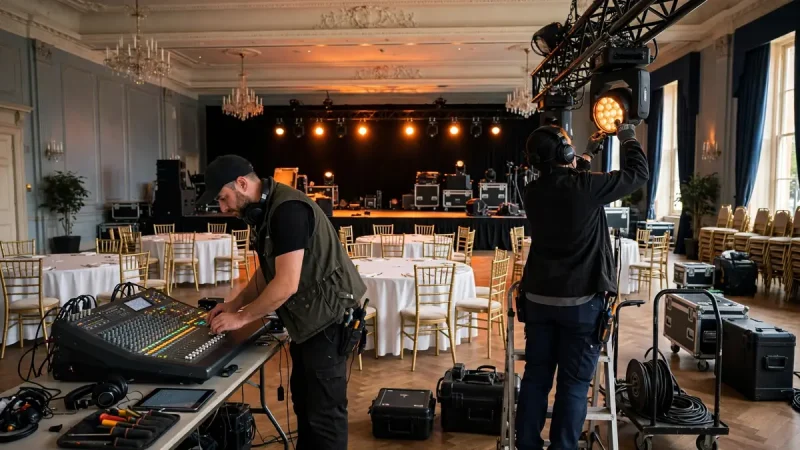
Full-service support usually starts long before event day. Planning calls map your venue, guest count and timeline. Then the team aligns music, lighting and announcements around that map. Setup crews typically arrive early and test every cable. Sound checks happen before guests ever enter the room. During the event, coordinators watch the clock and the crowd. Afterwards, the team packs out quietly and leaves cleanly.
Entertainment often anchors that whole support structure, of course. A skilled host reads the room and adjusts energy live. DJs blend requests with the couple’s or company’s taste carefully. Lighting designers, meanwhile, shift mood from dinner to dancing. Photo and video add-ons sometimes join the same package. Still, every company bundles services in its own way. So ask for a written list of included items. Which part of the night worries you most?
Which Questions Reveal a Truly Professional Team?
Start with experience questions, but ask them precisely. How many similar events has the team handled recently? Who exactly will work your date, by name? What backup gear travels with the crew each night? Professional teams answer those questions calmly and directly. Vague answers, however, signal shaky systems behind the smile. Also, ask how the team handles song requests live. Guest requests can lift or derail an evening quickly.
References reveal a second layer of truth, naturally. Ask for recent clients with similar event styles. Then actually contact one or two of those references. Listen for comments about punctuality, flexibility and communication speed. Indeed, smooth communication predicts smooth event days quite reliably. Our guide to employee appreciation ideas for small businesses shows how much planning details matter. Hosts notice effort, and guests remember it for years. Does the team ask about your guests at all?
How Early Should You Book Event Support?
Popular dates disappear faster than most hosts expect, sadly. Saturdays during wedding and holiday seasons go first, usually. Corporate planners also compete for the same prime weekends. Therefore, start conversations as soon as your venue date firms up. Early talks give you more crew and package choices. Late talks, meanwhile, force compromises on talent and gear. Even so, a late enquiry still beats a rushed guess.
Early booking also improves the planning itself, in practice. You gain time for a proper music and timeline consultation. Venue walk-throughs become possible instead of rushed phone guesses. Also, payment schedules usually feel gentler with longer lead times. Deposit terms vary by company, so confirm them in writing. In addition, early contracts lock your chosen team by name. Nobody wants a substitute host meeting guests cold. How firm is your event date right now?
What Should a Clear Event Proposal Include?
A clear proposal reads like a calm checklist, basically. Your event date, venue and start times appear first. Named staff and their roles follow right after that. Equipment lists spell out sound, lighting and backup gear. Setup and pack-out windows get their own clear lines. Then the proposal states the full price and payment schedule. Travel or overtime terms should never hide in fine print.
Change rules deserve equal clarity in every proposal, though. What happens if your timeline shifts by an hour? How does the company handle venue power problems or weather? Written answers protect both sides when plans wobble later. Also, check who owns decisions about playlist content and volume. Neighbours and venues often enforce strict noise limits at night. A professional team raises those limits early, not apologetically later. Does your proposal answer cancellation questions in plain words?
How Do You Compare Two Event Companies Fairly?
Apples-to-apples comparison needs a shared scorecard, honestly. List the same criteria for every company you call. Include experience, named staff, gear quality and backup plans. Add communication speed and proposal clarity to that list. Then score each company right after every conversation ends. Fresh notes beat fuzzy memories during final decisions later. Price belongs on the scorecard, but never alone there.
Context helps you judge value beyond the quote, too. Business readers may enjoy this strategic analysis of small business growth marketing for planning discipline. Event buying rewards that same steady, criteria-first mindset greatly. Meanwhile, beware of packages padded with extras you never requested. Unwanted add-ons inflate quotes without lifting your actual evening. Instead, price the exact night you truly want first. Which criterion matters most to your guests, honestly?
What Happens Behind the Scenes on Event Day?
Guests see polish, while crews manage controlled chaos quietly. Load-in starts hours before the first welcome drink, typically. Cables get taped, speakers get angled and lights get focused. Then the lead coordinator syncs cues with venue staff. Catering, photography and entertainment all share one master timeline. Small cue sheets keep every vendor moving together smoothly. As a result, transitions feel effortless from the guest side.
Great venues show how much backstage craft matters daily. Dedicated spaces like the Fairmont Designs entertainment center remind planners that layout shapes experience. Your event team should study your room layout just as carefully. Dance floor placement changes energy more than most hosts expect. Speaker placement, meanwhile, decides whether grandparents can still chat comfortably. Indeed, comfort and volume must coexist all night long. Have you walked your venue with fresh eyes yet?
As you consider the essential elements that transform an ordinary event into an extraordinary experience, the importance of expert craftsmanship in lighting and ambiance cannot be overstated. Just as JBS Entertainment LLC meticulously curates music and timing to elevate your event, so too do visionary designers like Esteban Gil bring a unique flair to the stage, creating immersive atmospheres that captivate audiences. Whether in intimate venues or grand arenas, the interplay of light and space orchestrated by skilled professionals can turn a simple gathering into a memorable spectacle. Understanding the synergy between event planning and design can provide invaluable insights, ensuring that every detail resonates with your guests long after the last note fades.
Which Details Should You Verify on the Official Site?
Official pages answer questions that sales chats gloss over. Service areas tell you whether your venue qualifies at all. Package pages outline what each tier generally includes today. Photo galleries hint at real setups and typical crowd sizes. Meanwhile, enquiry forms reveal how the company prefers contact. Response speed to a first enquiry predicts later communication well. So send one clear message and note the reply quality.
Reviews deserve careful, sceptical reading on any platform, though. Look for patterns across many reviews, not single raves. Repeated praise for punctuality means more than one glowing paragraph. Repeated complaints about communication deserve serious weight in decisions. Also, check whether the company answers critical reviews politely. Calm public replies suggest calm private problem-solving later on. Finally, confirm licensing or insurance claims directly when relevant. Which detail will you verify first this week?
How Can Weddings, Parties and Company Events Differ?
Weddings run on emotion, tradition and tight family timelines. Couples need a host who protects tender moments gracefully. Announcements carry names and stories, so accuracy matters deeply. Parties, meanwhile, chase energy, surprise and social momentum first. Hosts read birthdays and reunions with a looser, playful touch. Company events add brand, speeches and sponsor moments instead. Each format rewards a different hosting muscle, honestly.
Entertainment variety helps every format feel fresh, of course. Talent pipelines like Cedar Point entertainment auditions show how broad live performance runs. Your event may blend a DJ, a host and live acts. Clear cue sheets keep those blends smooth on the night. Also, discuss volume and content expectations for mixed-age crowds early. Grandparents and teenagers rarely share the same playlist instincts. Does your guest list span three generations or one?
Music sourcing deserves its own honest conversation, too. Couples often start with a specialist like a wedding DJ for the special day and build outward. Full-service teams coordinate that DJ within the wider production plan. Song lists, do-not-play lists and first-dance timing all get logged. Then backups cover illness, gear failure or travel delays calmly. In short, special days deserve boring backup plans underneath. Exciting nights grow from that quiet preparation, every time.
What Red Flags Should Make You Walk Away?
Pressure tactics top the red-flag list, without question. Anyone rushing your signature today deserves deep suspicion immediately. Missing written proposals form a second serious warning sign. Cash-only demands with no contract form a third. Meanwhile, teams that dodge named-staff questions hide thin rosters. Also, watch for quotes that undercut everyone else dramatically. Unreal prices usually reappear later as surprise add-on fees.
Venue friction offers another quiet warning worth heeding, though. Ask whether the team knows your venue’s rules already. Load-in access, power points and curfews shape the whole night. Teams that ignore venue questions create event-day surprises fast. Fun venues like the Maly Entertainment Center adventure experience still run on strict practical rules. Every space does, once crowds and cables arrive together. Does your shortlisted team ask about the room first?
What Should You Ask About Music, Requests and Announcements?
Music choices decide how an evening feels between big moments. Ask how the team builds a playlist around your taste. Share your must-play songs and your strict do-not-play list early. Then ask how live guest requests fit that plan. A good host balances crowd energy with your boundaries gracefully. Announcements deserve the same care during that same conversation. Names, titles and pronunciations must land correctly every single time.
Rehearsal habits separate polished hosts from hopeful amateurs, honestly. Ask whether the host reviews the timeline with you beforehand. Pronunciation checks for family and company names belong in that review. Meanwhile, microphone discipline matters more than most hosts ever expect. Dead air and feedback squeals puncture celebrations within seconds flat. Professional crews test microphones during setup, never during speeches themselves. Also, ask who controls volume when venue staff raise concerns. Clear ownership prevents awkward mid-party negotiations at the booth. Which three songs define your perfect party hour?
How Do Contracts, Deposits and Timelines Usually Work?
Booking paperwork follows a familiar rhythm across the events industry. A signed agreement usually reserves your date and named team. A deposit commonly secures that reservation under stated terms. Then a final planning meeting confirms songs, cues and timings. Balance payments typically fall due near or on the event date. Exact amounts and deadlines vary widely between companies, though. Therefore, read every figure and date on your own agreement carefully.
Smart hosts keep one planning folder from the very start. Contracts, proposals, playlists and venue rules all live together there. Shared access helps a partner or planner answer questions fast. Meanwhile, written change requests beat hallway promises during busy weeks. Any timeline shift deserves a quick confirming email afterwards, always. That paper trail protects your deposit and your chosen crew. Also, note the cancellation terms before life tests them unexpectedly. Clear terms feel boring during booking and priceless during surprises. Does your folder hold the final signed version already?
How Do You Make the Final Call With Confidence?
Confidence grows from evidence, not from sales polish alone. Revisit your scorecard and your reference notes together calmly. Check the proposal against every question in this guide. Then verify the remaining unknowns on the official site. One final call can clear names, timings and totals. After that call, sign a contract that matches the conversation. Mismatches between talk and paper deserve one last pause.
One last habit separates calm hosts from stressed ones, thankfully. Share your final timeline with every vendor one week out. Caterers, photographers and venue managers all plan around those cues. Late surprises shrink dramatically when everyone reads the same page. Meanwhile, your event partner can flag clashes you never noticed. That quiet coordination call often saves the whole evening. Who else should receive your timeline this week?
Future-facing hosts also watch how entertainment itself evolves. Ideas around revolutionizing digital entertainment experiences hint at more interactive events ahead. Screens, live polls and hybrid guests may join your plans soon. A flexible partner adapts to those touches without panic. So favour teams that ask about your vision, not just logistics. Great partners elevate experience while protecting the basics underneath. Which team earned your trust on paper and in person?

