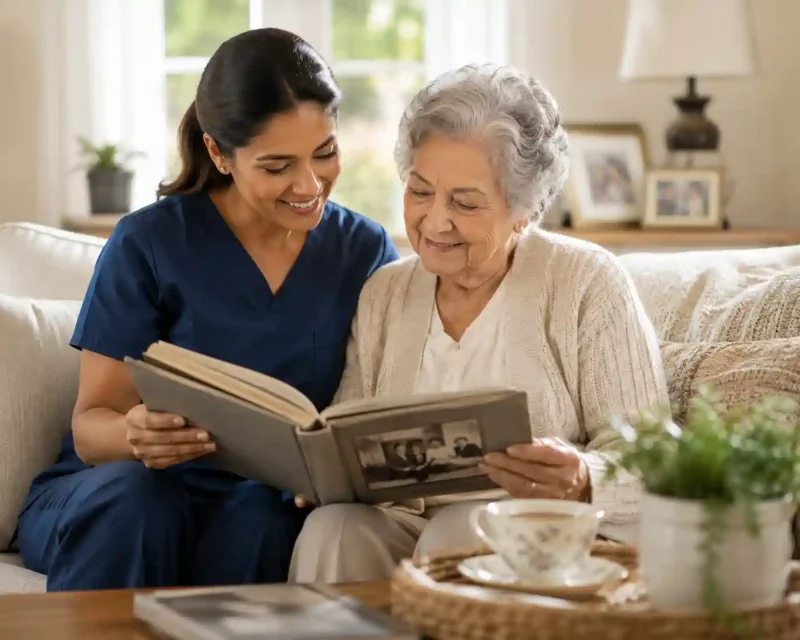

Navigating the healthcare continuum requires a compassionate partner who understands that every client has distinct clinical, emotional, and social needs. When daily chores, medication routines, and physical mobility become burdensome, having dedicated professionals step in preserves family harmony. In-home care empowers individuals to retain control over their daily schedules, fostering a profound sense of self-worth and sustained happiness.
Modern in-home care is no longer limited to basic companionship or occasional meal preparation. Today, high-standard domestic care represents a comprehensive continuum of personalized health assistance, licensed nursing care, physical therapy, medication administration, and emotional companionship. Whether your family requires a few hours of respite care each week, dedicated post-operative recovery monitoring, or 24/7 specialized memory care for Alzheimer’s and dementia, partnering with experienced caregivers ensures your loved one maintains autonomy, safety, and dignity. In this extensive guide, we explore the essential services, clinical advantages, emotional benefits, financial considerations, and practical steps to secure exceptional home care in Windsor.
The Aging in Place Revolution: Why Home Is the Best Place to Heal
The concept of “aging in place”—the ability to live in one’s own home and community safely, independently, and comfortably regardless of age or ability level—has become the gold standard of modern geriatric care. Studies consistently demonstrate that seniors who remain in their familiar domestic environments experience lower rates of depression, reduced anxiety, fewer hospital readmissions, and higher overall life satisfaction compared to those transitioned abruptly to institutional nursing homes.
Several vital factors make in-home care the ultimate solution for modern families:
- Preserving Independence and Familiarity: Staying surrounded by cherished memories, personal belongings, beloved pets, and familiar neighborhood surroundings provides an irreplaceable sense of psychological stability and emotional comfort.
- Tailored One-on-One Personalized Attention: In nursing facilities, staff members are divided across dozens of residents. With private in-home care, your loved one receives undivided, personalized care customized to their specific schedule and preferences.
- Significantly Reduced Infection Risks: Group residential facilities carry elevated exposure to communicable illnesses, seasonal viruses, and bacterial infections. Receiving care at home drastically minimizes external health hazards.
- Maintaining Family Involvement and Connection: Home care keeps families united. Children, grandchildren, and friends can visit without restrictive institutional visiting hours, participating naturally in daily life.
- Cost-Effective, Modular Care Plans: Families only pay for the exact hours and level of care required, avoiding the exorbitant fixed overhead costs associated with full-time residential facilities.
This commitment to specialized home support mirrors broader advancements across modern domestic and residential care. Just as families rely on dedicated domestic solutions—such as professional home cleaning services in Auburn or specialized mobile care like a nail salon home service for seniors—bringing clinical and personal support directly into the household has become the cornerstone of contemporary family wellness.
| Care Aspect | Institutional Nursing Facilities | Windsor Home Care Services |
|---|---|---|
| Caregiver Ratio | 1 caregiver to 8–15 residents | Dedicated 1-on-1 personalized attention |
| Daily Routine | Fixed institutional meal and sleep schedules | 100% customized to personal habits and preferences |
| Environment | Clinical, shared rooms, unfamiliar surroundings | Familiar, comforting personal home environment |
| Emotional Health | Elevated risk of isolation and relocation stress | High morale, emotional connection, and dignity preserved |
Comprehensive Spectrum of Care: Services Tailored to Every Need
Every individual’s health trajectory is unique. Leading providers of Windsor home care services design modular, scalable care plans that adapt seamlessly as your loved one’s needs evolve over time.
1. Personal Care and Activities of Daily Living (ADLs)
As mobility decreases, foundational personal hygiene tasks can become overwhelming or hazardous. Trained personal care aides provide discreet, respectful assistance with bathing, showering, personal grooming, dressing, toileting, and incontinence care. Caregivers utilize proper transfer techniques to prevent slips and falls, preserving dignity while maintaining impeccable personal hygiene.
2. Skilled Nursing and Clinical Medical Support
For individuals with complex clinical conditions, licensed practical nurses (LPNs) and registered nurses (RNs) deliver advanced medical care at home. This includes comprehensive wound dressing management, intravenous (IV) therapy, catheter care, post-surgical recovery monitoring, vital sign tracking, and coordinated diabetes care. This clinical excellence works hand-in-hand with regional medical providers, aligning with standards practiced at Muskingum Valley Health Center, the outpatient care networks at Belgrade Regional Health Center, inpatient networks like Alliance Health at Braintree, and comprehensive regional care at Trinity Health Ludington.
3. Specialized Alzheimer’s, Dementia, and Memory Care
Cognitive decline requires specialized behavioral understanding and structured daily routines. Certified memory care specialists employ cognitive stimulation exercises, validation therapy, and gentle redirection techniques to reduce anxiety, combat sundowning syndrome, and prevent wandering. Maintaining a predictable, safe home environment reduces confusion and provides profound emotional reassurance to dementia patients.
4. Medication Management and Chronic Disease Monitoring
Medication non-adherence is one of the leading causes of preventable emergency room visits among seniors. Caregivers manage complex medication schedules, provide timely reminders, track prescription refills, and monitor for adverse drug interactions. Continuous monitoring helps manage chronic conditions like congestive heart failure, COPD, and arthritis, ensuring stable health baselines.
5. Physical Rehabilitation and Occupational Therapy Support
Regaining mobility after a stroke, joint replacement surgery, or debilitating fall requires structured, persistent physical therapy. In-home rehabilitation specialists guide clients through personalized mobility regimens, strength-building exercises, and balance drills within their actual living spaces. Occupational therapists also evaluate how clients interact with their environment, recommending adaptive equipment like weighted utensils, dressing aids, and ergonomic seating to maximize functional independence.
6. Palliative and End-of-Life Comfort Care
During the final stages of life, compassionate hospice and palliative support provides physical comfort, effective pain management, and emotional peace. Caregivers work closely with hospice physicians and family members to ensure the client remains free of pain, surrounded by loved ones in an atmosphere of warmth, dignity, and profound respect.
7. Homemaking, Nutritional Meal Preparation, and Companionship
Social isolation and poor nutrition significantly accelerate physical decline. In-home caregivers prepare fresh, diet-specific meals (low-sodium, diabetic-friendly, or pureed diets), perform light housekeeping, manage laundry, and provide uplifting companionship. Sharing conversations, playing board games, and accompanying seniors on gentle walks restores joy and mental engagement to daily life.
Specialized Healthcare Career Opportunities and Caregiver Excellence
The strength of any home care agency lies in the caliber, empathy, and professional training of its caregiving staff. Delivering high-quality home care requires a multidisciplinary team of certified nursing assistants, physical therapists, occupational specialists, and healthcare administrators.
As healthcare expands into home-based models, specialized medical career pathways are growing rapidly. For example, surgical specialists explore rewarding avenues through travel RNFA surgical first assistant careers and specialized medical diagnostics detailed in RCIS cardiac specialist opportunities. Furthermore, clinical innovations pioneered by healthcare leaders—such as cutting-edge medical approaches from Dr. Peter Broberg and career growth in Kestra Medical Technologies careers—highlight the continuous elevation of clinical standards across home health services.
Holistic Living, Family Respite, and Household Balance
Family caregivers often face severe physical and emotional burnout. Juggling full-time careers, parenting, and managing an aging parent’s complex medical needs leads to chronic exhaustion. Utilizing professional home care provides vital respite, allowing family members to step back, recharge, and return to being loving sons, daughters, and spouses rather than overwhelmed full-time nurses.
Integrating professional care restores holistic balance across all household routines:
- Coordinating Family Medical Care: Home care coordinates seamlessly with family physicians and specialized community clinics—such as care provided by Village Health Partners or public wellness programs through the Gastonia Health Department—ensuring continuous clinical alignment.
- Ensuring Restful Sleep and Recovery: Restorative sleep is fundamental for healing. Overnight caregivers monitor nighttime wandering, assist with midnight bathroom visits, and support medical devices like those analyzed in better sleep CPAP travel solutions, guaranteeing safe, restful nights.
- Pet-Friendly Domestic Harmony: Seniors deeply cherish their pets. Home caregivers ensure pets remain well-fed and cared for, whether coordinating luxury stays at the Norwalk Pooch Hotel or managing healthy nutrition with raw organ meat pet nutrition.
- Embracing Holistic Lifestyle Wellness: Embracing balanced living principles celebrated in Sonoma lifestyle luxury and wellness creates an enriching, peaceful home environment that supports physical recovery and mental longevity.
Financial Planning, Insurance Coverage, and Funding Options
Understanding the financial aspects of in-home care is essential for building a sustainable long-term care strategy. Families often explore various funding mechanisms to cover caregiving costs without depleting personal savings:
- Long-Term Care Insurance (LTCI): Comprehensive policies often reimburse non-medical personal care, homemaking, and skilled nursing based on daily or monthly benefit maximums.
- Government Healthcare and Community Subsidies: Depending on regional eligibility, provincial and state health programs provide funded hours for personal support workers (PSWs) and nursing visits.
- Veterans Affairs Benefits: Veterans and surviving spouses frequently qualify for dedicated home health aid allowances, funding significant portions of weekly home care hours.
- Private Pay and Family Cost-Sharing: Structuring customized care schedules allows families to blend private professional hours with shared family caregiving to optimize budgets.
Home Safety Assessments: Creating an Accident-Free Living Space
Falls represent the single greatest threat to senior independence at home. A critical component of Windsor home care services is conducting comprehensive home safety evaluations to identify and eliminate household hazards before accidents occur.
Professional home safety modifications include:
- Bathroom Hazard Elimination: Installing secure grab bars inside showers and beside toilets, placing non-slip textured rubber mats, and utilizing elevated shower chairs and handheld showerheads.
- Pathway and Flooring Clearance: Removing loose throw rugs, securing exposed electrical cords, and ensuring wide, unobstructed walking pathways throughout living rooms and hallways.
- Illumination Enhancement: Installing motion-activated nightlights in hallways, staircases, and bathrooms to ensure safe nighttime navigation.
- Staircase and Entryway Safety: Installing sturdy double-sided handrails, securing non-skid stair treads, and constructing low-incline modular ramps at exterior thresholds for wheelchair access.
Step-by-Step Guide to Choosing the Best Home Care Provider in Windsor
Selecting an in-home care agency for your loved one requires diligence, empathy, and clear standards. Follow this structured roadmap when evaluating care providers:
- Conduct an In-Depth Clinical Needs Assessment: Outline specific physical, medical, emotional, and household requirements. Determine whether your loved one requires non-medical companionship, personal care, or skilled nursing support.
- Verify Agency Licensing, Insurance, and Accreditation: Ensure the agency is fully licensed by provincial or state health authorities, holds active general liability and workers’ compensation insurance, and adheres to strict regulatory standards.
- Inquire About Caregiver Vetting and Ongoing Training: Ask about the agency’s hiring protocols, including mandatory criminal background checks, vulnerable sector screenings, professional reference checks, and ongoing dementia and palliative care training.
- Evaluate Emergency Protocols and Caregiver Continuity: Confirm how the agency handles emergency coverage if a primary caregiver falls ill. A dependable agency always maintains a backup roster of familiar, trained staff.
- Review Transparent Care Agreements: Ensure pricing, minimum hourly requirements, cancellation policies, and payment terms are clearly outlined without hidden administrative fees.
Empowering Your Loved Ones with Compassionate Home Care
Growing older or managing a chronic medical condition should never mean surrendering personal independence, dignity, or the joy of living in your own home. The right care environment nurtures the spirit as much as it heals the body, offering comfort and peace of mind to the entire family.
By choosing trusted Windsor home care services, you provide your family member with an exceptional standard of personalized, compassionate, and professional care. You give them the freedom to wake up in their own bed, enjoy their cherished routines, and receive the highest quality medical and personal support—all within the loving, familiar sanctuary of home.
Frequently Asked Questions (FAQs)
Q1: What is the difference between non-medical home care and home health care?
Non-medical home care focuses on assistance with activities of daily living (ADLs) such as bathing, dressing, meal preparation, light housekeeping, and companionship. Home health care involves skilled medical services provided by licensed nurses and therapists, such as wound care, IV therapy, and physical rehabilitation.
Q2: How quickly can Windsor home care services be arranged?
In most cases, care can begin within 24 to 48 hours following an initial in-home assessment. In urgent situations—such as unexpected hospital discharges or sudden caregiver emergencies—expedited same-day care can frequently be coordinated.
Q3: Can home care services be adjusted if my loved one’s health needs change?
Yes. Care plans are completely flexible and continuously evaluated. Services can easily scale up from part-time companionship to 24/7 care or skilled nursing support as health requirements evolve.
Q4: How do home care agencies ensure caregiver compatibility with my family?
Reputable agencies conduct detailed personality and skills matching during the initial assessment, pairing caregivers based on clinical needs, language, hobbies, and personal temperament to ensure a warm, comfortable bond.