
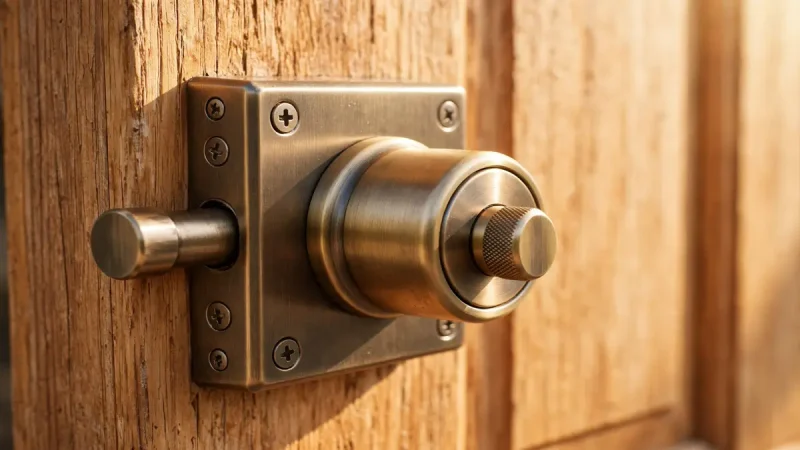

Moreover, you do not need an expensive security system to protect your home. These cheap ways to improve home security cost little or nothing, yet they stop the vast majority of break-ins — which are crimes of opportunity, not mastermind heists.
In this guide, you will learn 12 affordable upgrades with real prices, starting with free habits. Additionally, you will discover which improvements matter most. Let us secure your home.
Start With Free Habits
Lock every door and window, every time. It sounds obvious, but a shocking number of burglaries happen through unlocked entries. In addition, this single habit costs nothing and prevents the easiest break-ins.
Trim bushes and trees near windows and doors. Overgrown landscaping gives intruders hiding spots. Furthermore, a home visible from the street is a home burglars avoid. The flip side helps as well: thorny planting beneath ground-floor windows makes climbing in painful, and even a decorative cactus and succulent garden doubles as a spiky barrier.
Get to know your neighbors. A neighbor who notices strangers at your door is better than any camera. In addition, trade vacation check-ins — they collect your mail, you watch their place.
Never hide a spare key outside. Burglars know every hiding spot: under the mat, in the fake rock, above the doorframe. Leave a spare with a trusted neighbor instead.
1. Reinforce Your Door Strike Plate ($5)
Around 34% of burglars enter through the front door — usually by kicking it in. The weak point is rarely the door itself. It is the strike plate, typically held by tiny 3/4-inch screws.
Replace those screws with 3-inch versions that bite into the structural framing. The upgrade takes ten minutes and costs under $5. In addition, it is one of the most effective security improvements available at any price.
While you are at it, install a deadbolt if you lack one. A doorknob lock alone offers minimal resistance to force.
2. Add Motion-Sensor Lights ($20–$30)
Thieves hate light. Solar-powered motion lights cost $20–$30 each, need no wiring, and illuminate dark corners automatically. In addition, place them at entry points, garages, and side yards.
The sudden light startles intruders and alerts you and your neighbors. Furthermore, solar models charge by day and work all night without adding to your electric bill.
3. Secure Sliding Doors With a Dowel ($2)
Sliding glass doors are notoriously easy to force. A wooden dowel or metal bar laid in the track blocks the door from sliding open. It costs about $2 and installs in seconds.
Cut the dowel to fit snugly in the track behind the sliding panel. In addition, this simple trick defeats the most common sliding-door attack completely.
4. Apply Window Security Film ($15 per Window)
Security film is a transparent adhesive that holds glass together when struck. A burglar who smashes the window finds the glass still in place, blocking entry. Each window costs about $15 to cover.
The film also protects against storm damage and accidents. Furthermore, one-way privacy versions let you see out while blocking views in — preventing intruders from casing your interior.
5. Install a Door Security Bar ($15–$25)
Adjustable security bars wedge under the doorknob and brace against the floor. They prevent doors from opening even if locks are picked or keys are stolen. In addition, they need no installation and work in rentals.
Keep one by the front door and use it at night. Furthermore, portable door jammers serve the same purpose for travelers in hotels.
6. Use Lamp Timers ($10)
A dark house advertises that nobody is home. Plug lamps into $10 timers that turn lights on and off on a schedule. In addition, varying the pattern across rooms looks convincingly lived-in.
Set different on-off times for different lamps. Furthermore, combine with a fake TV light simulator ($20) that mimics the flicker of a television — a classic deterrent.
7. Add Budget Door and Window Sensors ($25)
Stick-on sensors shriek when a door or window opens unexpectedly. Basic models cost around $25, connect to Wi-Fi, and send phone alerts. In addition, the noise alone scares off most intruders.
Place them on ground-floor entries first. Furthermore, these are ideal for renters who cannot install wired systems.
8. Install an Affordable Camera ($30+)
Budget security cameras now start around $30 with no monthly fees. Place them visibly at main entrances — visibility itself deters crime. In addition, many offer phone monitoring so you can check in from anywhere.
You do not need cameras on every corner. One or two well-placed units covering main entries deliver most of the benefit. Furthermore, video doorbells combine a camera with two-way talk.
9. Display Security Signage ($15)
Security signs and window decals deter burglars even without a full system behind them. Most intruders prefer easy targets and move on when they see warnings. Authentic-looking signs cost $15–$25.
Pair signage with one real measure, like a camera or sensor, for credibility. In addition, the psychological deterrent is genuinely effective — burglars consistently report avoiding marked homes.
10. Secure Your Garage and Shed (Free–$10)
Garages often contain tools that help burglars break into the main house. Always lock the connecting door between garage and home. In addition, frost the garage windows so tools are not visible.
Lock ladders and tools inside the shed or garage. A ladder left outside is an invitation to second-floor windows. Furthermore, these fixes cost nothing but attention.
What to Prioritize on a Tight Budget
If you can only do three things, do these: lock everything consistently (free), reinforce the door strike plate ($5), and add motion lights ($25). These address the most common attack methods.
Next, add the sliding-door dowel and window film for ground-floor windows. In addition, timers and signage round out the deterrent effect for very little money. If DIY is not your thing, a reliable home services company can fit the locks, lights, and cameras for you.
Remember the goal: make your home a harder target than the neighbor’s. Burglars are opportunists. Noise, light, and delay send them elsewhere.
Frequently Asked Questions
What is the cheapest way to improve home security?
Build good habits for free: lock everything, trim landscaping, know your neighbors, and never hide keys outside. Then spend $5 on longer strike-plate screws — the best value upgrade available.
Do fake security cameras work?
Visible cameras deter crime whether real or not, but real budget cameras cost only $30 now. A real camera that records is far more useful than a fake one if something happens.
How do burglars most commonly break in?
About 34% enter through the front door, usually by kicking it or finding it unlocked. Ground-floor windows are the next most common entry. Reinforcing these two areas stops most attempts.
Are motion sensor lights worth it?
Yes. They are cheap ($20–$30 solar), need no wiring, and eliminate the darkness burglars rely on. They also alert you to activity around your home.
Should I get a security system or DIY?
DIY measures handle most threats for under $100 total. A monitored system adds professional response but costs monthly. Start with the cheap fixes — they deliver most of the protection.
Conclusion
These cheap ways to improve home security prove that safety does not require a big budget. Start free, spend smart, and sleep better tonight.
For more home protection ideas, visit our home improvement section.

