

This guide shows you each step in plain, friendly order. First, you will choose a spot and the right containers. Next, you will mix soil, sow seeds, and set a care routine. Finally, you will harvest herbs and vegetables with real confidence. Ready to grow your first small garden at home?
Why does a small kitchen garden change how you cook?
Fresh herbs lift simple meals in seconds, every single time. For example, mint brightens tea, salads, and chilled summer drinks. Parsley, meanwhile, adds colour and a clean taste to soups. Also, home leaves taste stronger than shop leaves most days. As a result, you season food with more joy and less salt.
Your garden also saves money and cuts food waste quietly. You pick only the leaves you need for one meal. So half-bunches never turn slimy inside your fridge again. Indeed, small harvests match small kitchens and small families perfectly. Still, the calm daily routine may reward you most of all.
Ten quiet minutes with plants can reset a busy mind. You check leaves, you water soil, and you breathe slower. Then you carry that calm back into your evening. Some growers even turn this hobby into paid work later. You can explore career opportunities in the organic food industry once your skills grow.
Where should you grow your first garden?
Start by watching your space for one full sunny day. Note which corner holds light longest in the morning. Also, check where afternoon light falls and stays warm. Then place your thirstiest plants in that bright corner. Because light drives growth, your first choice matters most.
How do you set up a kitchen garden on a balcony or patio?
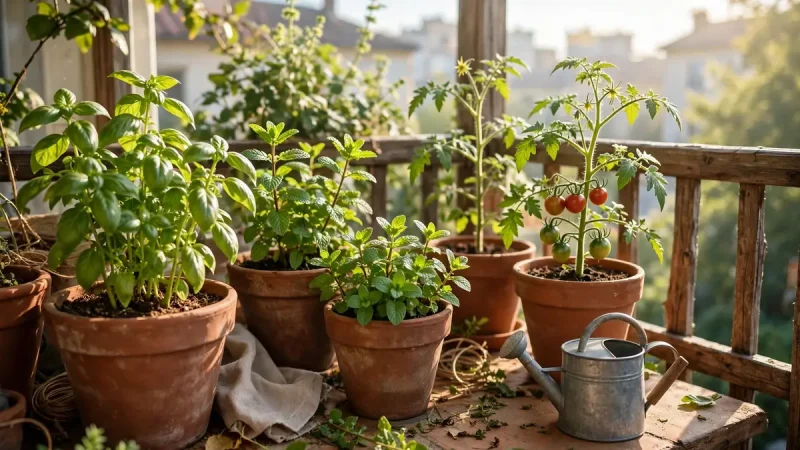
A kitchen garden on a balcony or patio suits most beginners well. Balconies give you fresh air, rain, and strong natural light. First, group pots near the railing for maximum sun. Then leave a clear walking path behind your pots. Also, add a small shelf to lift herbs higher.
Wind can dry pots fast on high or open balconies. So cluster pots together to shield each other gently. Heavy pots on the floor also anchor tall tomato plants. Meanwhile, light pots can sit safely on sturdy shelves. In fact, grouped pots share humidity and stay happier together.
Hot, dry corners suit more than herbs and tomatoes alone. Succulents, for instance, love bright and neglected sunny spots. You can borrow styling tricks from these cactus succulent garden ideas for spare corners. Then fill the sunniest centre space with edible plants instead. Clearly, every corner can earn its keep in time.
Which windowsill herb garden tips save tiny spaces?
Small flats still offer one great growing spot: the windowsill. Good windowsill herb garden tips start with a south-facing window. Such windows catch long hours of bright light daily. Next, choose small pots for basil, chives, and parsley. Then rotate each pot weekly for even, upright growth.
Trays under pots protect your sill from water marks. Also, group herbs by thirst so watering stays simple. Mint drinks often, while rosemary prefers drier soil instead. So separate thirsty herbs from dry-loving herbs on purpose. As a result, each plant gets water that suits it.
How much sunlight do vegetables need each day?
Most beginners ask one question first: how much sunlight do vegetables need? Fruiting plants like tomatoes and peppers need the most sun. As general guidance, they thrive with six to eight hours daily. Leafy greens, however, manage well with four to six hours. Still, your local climate changes these figures a lot.
Hot climates give harsh midday sun that scorches young leaves. So light afternoon shade can help plants in very hot places. Cool climates, in contrast, reward every extra sunny hour greatly. Therefore, watch your plants and adjust their spots slowly. Do your leaves look pale, leggy, or stretched toward light?
Pale and leggy growth usually signals too little light. Move pots closer to your brightest window or railing then. Also, turn pots often so stems grow straight and strong. Next, prune weak growth to push energy into healthy leaves. Indeed, small moves fix most light problems within weeks.
Should you choose pots, containers, or raised beds?
A kitchen garden in pots and containers gives you total control. You move pots toward sun and away from storms easily. Also, pots suit renters who cannot dig garden soil. First, pick pots with drainage holes in the base. Then add a tray to catch extra water below.
Now compare raised beds vs container gardening for beginners honestly. Raised beds hold more soil and suit larger yards well. Beds also warm up fast in spring for early crops. Containers, however, cost less and start much faster for beginners. So most first gardens should begin with containers only.
| Feature | Containers | Raised Beds |
|---|---|---|
| Best space | Balconies, patios, windowsills | Gardens and larger yards |
| Start-up effort | Low, ready in one day | Higher, needs building first |
| Water needs | Dry out faster, check daily | Hold moisture for longer |
| Moving plants | Easy, follow the sun | Fixed in one place |
Food safety matters when you choose containers for edible plants. Pick food-safe pots and avoid old painted or treated containers. Also, wash reused pots with soap and water first. Then rinse them well before you add fresh soil. Clearly, clean containers protect both roots and your harvest.
Size matters more than style for happy, healthy roots. Tomatoes need deep, wide pots to support tall stems. Herbs, in contrast, grow well in medium and shallow pots. Indeed, cramped roots stunt growth faster than poor soil does. So give each plant generous room from day one.
What is the best soil mix for a kitchen garden?
Roots need air, water, and food in good balance. The best soil mix for a kitchen garden feels light and crumbly. A simple start blends quality potting mix with mature compost. Then add a coarse material like perlite for drainage. As a result, water flows through without drowning roots.
Garden soil from the ground often packs too tightly. It can also carry weed seeds into your clean pots. So use bagged potting mix for containers every time instead. Next, mix in compost at roughly one part to three. That ratio feeds plants gently without burning young roots.
How do compost basics for a home garden improve soil?
Learning compost basics for a home garden saves money and waste. You feed kitchen scraps and dry leaves to one bin. Microbes then break that mix into dark, rich compost. First, layer green scraps with dry leaves or shredded paper. Then keep the pile damp, like a wrung-out sponge.
Turn your compost pile every week or two for air. Also, skip meat, dairy, and oily foods in home bins. Those items attract pests and smell bad very quickly. Finished compost smells earthy and looks dark and crumbly. Indeed, your plants will show thanks within weeks.
Keep finished compost away from edible leaves at harvest time. Spread compost around stems, not over leaves you eat. Also, wash your hands well after you handle compost. Then wash harvested produce before you eat it, always. These simple hygiene habits keep your food safe and clean.
Seasonal soil care keeps containers fertile year after year. You can follow simple autumn garden preparation tips before cold weather arrives. Such steps protect soil life through the quiet winter months. Then spring planting starts faster with rich, ready soil. Clearly, good growers plan one season ahead always.
Which plants should you grow first?
Small early wins build confidence faster than hard challenges do. So start with forgiving herbs and fast, generous vegetables. The best herbs to grow for beginners include basil, mint, and parsley. Chives and coriander also suit new growers very well. Indeed, these herbs forgive small watering mistakes easily.
For vegetables, choose easy vegetables to grow: lettuce, tomatoes, and peppers. Lettuce grows fast and gives leaves within a few weeks. Tomatoes reward patience with rich flavour all summer long. Peppers, meanwhile, add colour and crunch to daily cooking. Which of these three tempts your kitchen most?
- Lettuce: Sow thinly, keep soil damp, and pick outer leaves first.
- Tomatoes: Give deep pots, strong sun, and a sturdy support stick.
- Peppers: Start them warm and move them out after cold nights pass.
- Radishes: Sow directly and enjoy a fast, crunchy first harvest.
Herbs carry a long and tasty history in home cooking. Ancient cooks prized fresh leaves for flavour and variety daily. You can read about foods Egyptians ate to see that heritage clearly. Then plant your own small link to that story. In fact, every herb pot connects past and present kitchens.
How does growing basil, parsley, and mint at home actually work?
Growing basil, parsley, and mint at home follows three simple habits. Basil loves warmth, bright light, and regular pinching most. Pinch tips above a leaf pair to grow bushy plants. Parsley, however, grows slower and prefers cooler, steady moisture. So start parsley early and harvest it patiently later.
Mint grows fast and spreads with real, unstoppable energy. Always give mint its own pot, away from other herbs. Its roots invade shared pots and crowd neighbours quickly. Also, snip mint often to keep fresh, tender growth coming. As a result, one mint pot perfumes drinks all season.
Ambitious growers can add one bold climber after year one. Hardy vines reward fences and walls with shade and fruit. The hardy Actinidia kolomikta Arctic Beauty vine shows that cold-hardy option well. Still, master your basic herbs before you chase climbers. Indeed, strong basics carry every later garden adventure.
How do you sow seeds and plant seedlings step by step?
Sowing seeds feels magical, yet the method stays very simple. First, fill your pot and level the soil surface gently. Then water the mix so it settles evenly everywhere. Next, sow seeds at the depth your packet suggests. Finally, cover them lightly and mist the top again.
- Fill pots to two centimetres below the rim with mix.
- Water the soil first, so seeds stay in place.
- Sow two or three seeds per spot for safety.
- Cover seeds lightly, then label each pot clearly.
- Keep soil damp and warm until sprouts appear.
- Thin weak sprouts, so strong plants gain real space.
Labels save confusion once green sprouts all look alike. Write the plant name and sowing date in pencil. Also, keep a small notebook for watering and feeding notes. Then patterns appear, like which pot dries fastest daily. Indeed, notes turn random luck into repeatable skill fast.
Seedlings from a shop offer a faster, easier start. Choose stocky plants with deep green leaves and strong stems. Avoid tall, pale seedlings with weak and floppy growth. Next, water shop seedlings before you move them gently. Then plant them at the same depth as before.
What watering schedule for herbs and vegetables really works?
A steady watering schedule for herbs and vegetables prevents most stress. Water early in the morning, before heat steals moisture away. Morning watering also lets leaves dry during the day. Wet leaves overnight, in contrast, invite fungal problems quickly. So aim your can at soil, never at leaves.
Check soil with your finger before you water each pot. Push one finger about two centimetres into the mix. Dry soil at that depth means your plants need water. Damp soil means you should wait another day instead. As a result, roots grow deeper and plants stand stronger.
Pots dry faster in wind, heat, and small containers. So check small pots daily during hot summer weeks. Large pots, however, may need water every second day. Also, water slowly until drops leave the drainage holes. Then empty trays after thirty minutes to protect roots.
How does mulching to retain soil moisture help thirsty pots?
Mulching to retain soil moisture is a simple, powerful habit. You spread a thin layer over bare soil around stems. Straw, shredded leaves, or fine bark all work well here. This layer shades soil and slows water loss greatly. Consequently, you water less often on hot, windy days.
Keep mulch a small gap away from each stem. Wet mulch against stems can encourage rot at the base. Also, top up thin mulch after heavy rain or watering. Then check soil under mulch before your next watering round. In fact, mulch also stops soil splashing onto edible leaves.
How can companion planting help your small garden?
Good neighbours help plants share space, light, and nutrients better. This section has companion planting basics explained in plain words. Basil grows happily beside tomatoes in sun and rich soil. Marigolds, meanwhile, add colour near many vegetable pots too. Also, tall plants can shade tender greens in summer.
- Pair basil with tomatoes for shared sun and watering needs.
- Grow lettuce under taller plants for cool afternoon shade.
- Keep mint alone, because its roots spread very aggressively.
- Place flowering herbs near vegetables to welcome helpful insects.
Avoid crowding, even when companion pairs get along well. Each plant still needs airflow around its leaves daily. Crowded leaves stay wet and invite disease very quickly. So space pots with small gaps between each one. Clearly, air is a free and powerful plant medicine.
Exotic fruits can join your plans once basics feel easy. Dragon fruit, for example, grows in pots in warm climates. You can explore dragon fruit health benefits before you try one plant. Then decide if your sunny corner suits it well. Still, master lettuce and herbs before exotic experiments begin.
How does succession planting for continuous harvest keep food coming?
Succession planting for continuous harvest means you sow little and often. You sow a short row of lettuce every two weeks. Then new leaves mature just as older plants finish. As a result, your salad bowl never stays empty long. Indeed, steady small sowings beat one huge sowing always.
Fast crops suit this rhythm best for busy beginners. Radishes, lettuce, and spring onions mature in quick waves. Also, herbs regrow after cutting, so they bridge gaps naturally. Next, replace finished pots with fresh seeds the same day. That habit keeps every sunny corner productive all season.
Keep a simple calendar on your fridge for sowing dates. Mark each sowing, then mark each first harvest too. Soon you will learn your own local timing by heart. Your climate, in fact, teaches lessons no book can. So treat your first season as one friendly experiment.
What are the common beginner gardening mistakes to avoid?
Every grower kills a plant, so expect and forgive mistakes. The common beginner gardening mistakes to avoid start with overwatering. Soggy roots rot quietly while leaves wilt above them. Also, beginners often plant too much in week one. Then care feels heavy and the hobby loses joy.
- Watering on a fixed habit instead of checking soil first.
- Choosing pots without drainage holes in the base.
- Placing sun-loving plants in deep, daily shade.
- Sowing every seed packet in a single weekend.
- Skipping labels, then guessing which sprout is which.
- Feeding too much, too soon, to very young plants.
Another classic error is harvesting every leaf at once. Plants need leaves to feed roots and regrow strongly. So take a little from each plant, often and gently. Also, beginners sometimes ignore pests until damage spreads widely. Check leaf undersides weekly, then act early and calmly.
Impatience causes more losses than pests in many gardens. Seeds sprout on their own schedule, not yours at all. Give each variety the days its packet promises first. Then adjust light, warmth, or water one factor at a time. Indeed, one change at a time reveals true causes.
How and when to harvest fresh herbs for the best flavour?
Learning how and when to harvest fresh herbs completes your journey. Morning harvests taste strongest, after dew dries on leaves. Essential oils peak early, before midday heat fades them away. So snip herbs just before you cook whenever you can. Then rinse leaves gently and pat them dry well.
Always wash harvested produce before you eat it, without exception. Rinse herbs and vegetables under clean running water first. Also, keep harvested leaves away from compost and soil splashes. Then store extra herbs in a damp cloth inside the fridge. These habits protect flavour and food safety together daily.
Cut basil above a leaf pair to trigger bushy regrowth. Take parsley from outer stems, so centres keep growing strongly. Mint, meanwhile, tolerates bold and frequent cutting all season. Never strip one plant bare in a single harvest though. Indeed, gentle regular picking keeps plants productive for months.
Your harvest can spark new meals and new curiosity too. Fresh herbs transform bean patties, salads, and grain bowls instantly. Reading about why plant-based burgers are here to stay may inspire dinner tonight. Then top your burger with basil and tomato slices. Clearly, a small garden feeds imagination as well as bodies.
Start small this week, with one herb and one vegetable. Choose your sunniest spot, mix good soil, and water wisely. Then watch daily, learn fast, and harvest with pride soon. Your first homegrown leaf may be tiny, yet it changes everything. So tell me, which herb will you plant first?
Frequently asked questions
How many pots do you need to start a kitchen garden?
Start with three to five pots for your first season. Choose one herb pot, one lettuce pot, and one tomato pot. Then add more pots only after routines feel easy. Small starts, in fact, build skill without daily overwhelm. As a result, you enjoy care instead of dreading it.
Can you grow vegetables indoors without a balcony at all?
Yes, you can grow herbs and leafy greens indoors successfully. Place pots on your brightest windowsill for long light hours. Also, rotate pots weekly so stems grow straight and even. Lettuce and herbs suit indoor spots better than tomatoes do. Still, peppers can manage on very sunny sills sometimes.
How often should you feed plants in pots and containers?
Potted plants need gentle feeding because watering washes nutrients away. Feed with a mild liquid feed every two to three weeks. Always follow the label rates on your chosen product carefully. Also, mix compost into soil at planting for slow food. Indeed, steady light feeding beats rare heavy doses.
Why do herb leaves turn yellow on a sunny windowsill?
Yellow leaves often signal overwatering or poor drainage in pots. Check that drainage holes stay clear and trays stay empty. Also, let the top soil dry slightly between watering rounds. Too little food can also pale older leaves slowly. So check water first, then consider gentle feeding next.
When should you start seeds for a summer kitchen garden?
Start tender seeds indoors a few weeks before warm weather. Your seed packet gives local timing guidance for each variety. Cool-season crops like lettuce can start earlier outdoors instead. Then move tender seedlings out after cold nights fully pass. Indeed, patience at planting saves losses later on.
How do you keep mint from taking over other herb pots?
Always grow mint alone in its own separate pot. Its roots spread fast and crowd neighbouring plants quickly. Also, place the mint pot on a hard surface outdoors. Roots can escape drainage holes into soil beds below sometimes. So isolation keeps mint generous, tasty, and well behaved.

