
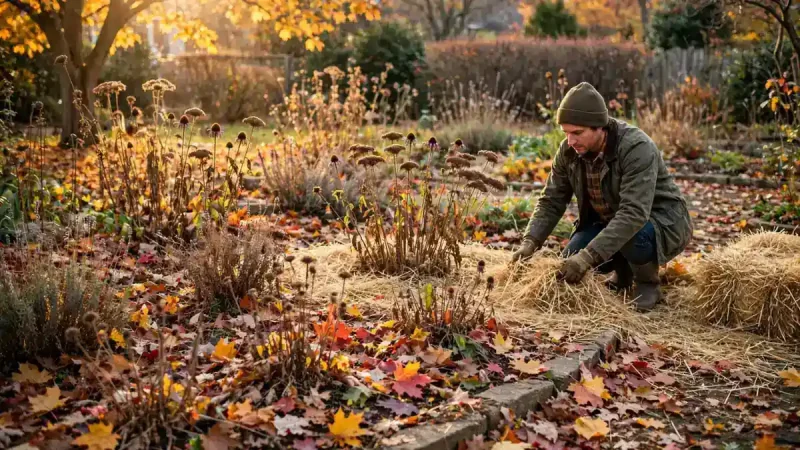

In this guide, you will learn a complete fall garden checklist: cleaning up beds, testing and feeding soil, planting bulbs and perennials, and protecting tender plants from winter damage. In addition, you will get a simple week-by-week timeline so nothing gets missed. Let us get your garden winter-ready.
Why Autumn Garden Preparation Matters?
Many gardeners walk away from their beds when summer ends. However, autumn is the season when roots do their most important work. Soil stays warm long after air temperatures drop, so plants keep growing underground even while tops go dormant.
Because of this, fall is the ideal time to divide crowded perennials, plant trees and shrubs, and sow spring bulbs. Consequently, a few focused weekends now can save you weeks of repair work in spring. Your future self will thank you.
Fall cleanup also stops problems before they start. Diseased leaves left on the ground shelter pathogens through winter. Meanwhile, fallen fruit invites rodents and fungal disease. A tidy garden in November becomes a healthier garden in March.
Start With a Thorough Fall Garden Cleanup
Begin your fall garden cleanup by removing spent annuals and finished vegetable plants. Pull them out by the roots, then compost the healthy material. Diseased plants, on the other hand, should go straight into the trash. Never compost them, because home compost rarely gets hot enough to kill pathogens.
Rake fallen leaves off lawns and pathways, since thick layers smother grass and invite mold. However, do not throw those leaves away. Shredded leaves become superb mulch and compost, and they are completely free. For inspiration on how great autumn landscapes can look, see the best places to visit in autumn in the world.
Cut back perennials after the first hard frost turns their foliage black. Leave about three inches of stem to mark their locations and protect the crowns. Ornamental grasses can stay standing, though. They add winter interest and shelter beneficial insects through the cold months.
While you clean, prune out dead, damaged, and diseased branches from trees and shrubs. As a result, you reduce the risk of limbs snapping under winter snow and ice. Save major shaping cuts for late winter, when plants are fully dormant.
Know Your First Frost Date and Work Backward
Every autumn garden preparation plan starts with one number: your average first frost date. This date tells you when tender plants face real danger. Therefore, schedule every task by counting backward from it.
Start dividing perennials and testing soil four to six weeks before frost. Plant bulbs and garlic two to four weeks before. Meanwhile, bring container plants indoors while nighttime temperatures stay above 50°F. Waiting too long risks a surprise freeze catching you unprepared.
Keep a simple garden journal with your frost dates and what you planted. Over time, these notes become your personal planting calendar. Gardeners who track their seasons consistently outperform those who guess.
Test, Feed, and Improve Your Soil Before Winter
Soil preparation in fall is one of the highest-return garden tasks. Start with a soil test, which reveals pH and nutrient levels. Fall testing gives you months to correct problems, whereas spring testing forces you to rush.
Once you know what your soil needs, spread two to three inches of compost over your beds. There is no need to dig it in deeply. Winter rain and earthworms will work it downward naturally. Similarly, shredded leaves layered on top add organic matter as they decompose.
For empty vegetable beds, sow a cover crop like winter rye or crimson clover. Cover crops prevent erosion, suppress weeds, and add nitrogen when turned under in spring. This single practice can transform tired, compacted soil into rich, crumbly loam.
Apply lime or sulfur now if your pH test calls for adjustment. These amendments act slowly, so fall application means correct pH by planting time. In addition, a final feeding with slow-release fertilizer helps perennial roots store energy for winter.
Plant Bulbs, Garlic, and Perennials in Fall
Fall is bulb planting season. Daffodils, tulips, crocuses, and alliums all go into the ground six to eight weeks before hard frost. Plant each bulb at three times its own height in depth, pointy end up. Well-drained spots prevent rot through wet winters.
Trees, shrubs, and hardy perennials also establish beautifully in autumn. Cool air reduces transplant stress while warm soil encourages root growth. Nurseries frequently discount stock in fall, too. If you love unusual hardy plants, read our guide to the Actinidia Kolomikta Arctic Beauty hardy plant.
Sow garlic cloves and broad beans for overwintering. They root in fall, sleep through winter, and surge ahead in spring. Furthermore, fall-planted garlic typically produces larger bulbs than spring-planted cloves.
Do not forget the lawn. Overseed thin patches, aerate compacted areas, and apply a fall fertilizer. Grass roots grow vigorously in cool weather, so autumn lawn care pays off with thick spring turf.
Protect Tender Plants From Winter Damage
Winterizing garden plants is essential where temperatures drop below freezing. Tender bulbs like dahlias, cannas, and gladiolas must come indoors before the first hard freeze. Dig them carefully, brush off the soil, and cure them in a dry spot for about a week.
Store cured bulbs in peat moss or sawdust in a cool, dark place around 40 to 50°F. Check them monthly and discard any that feel mushy. Consequently, one bad bulb will not rot the whole batch.
Mulch vulnerable perennials and roses after the ground freezes, not before. A three to four inch layer of straw or shredded bark insulates roots against freeze-thaw cycles. Meanwhile, wrapping exposed evergreens in burlap shields them from harsh winter winds.
Bring container tropicals indoors before nights drop below 50°F. First, inspect every leaf for pests and give plants a gentle shower. Otherwise, a few hidden insects can become an indoor infestation within weeks.
Winterize Tools, Pots, and Water Systems
Garden tools deserve care before storage. Scrub off soil, sharpen blades, and wipe metal parts with oil to prevent rust. As a result, your pruners and shovels will last for years instead of seasons.
Empty and scrub pots and planters with a mild bleach solution to kill lingering disease. Stack them upside down in a sheltered spot. Terra-cotta pots especially crack in freeze-thaw cycles, so move them under cover.
Drain and store garden hoses before the first hard freeze. Shut off outdoor faucets and winterize irrigation systems according to the manufacturer’s instructions. Frozen pipes burst, and repairs cost far more than prevention.
Clean and refill birdbaths, then consider a heater to keep water open through winter. Birds remember reliable water sources. In addition, a winter birdbath brings life and movement to a quiet garden.
Mulching: Your Garden’s Winter Blanket
Proper fall mulching is one of the simplest ways to protect your garden. Mulch insulates soil, keeping temperatures stable through freeze-thaw cycles. Without it, repeated freezing and thawing can heave plants right out of the ground.
Wait until the ground freezes before applying winter mulch. Mulching too early keeps soil warm and can delay dormancy. Once frozen, spread three to four inches of shredded bark, straw, or shredded leaves around perennials and roses.
Keep mulch a few inches away from stems and trunks. Mulch piled against bark traps moisture and invites rot and rodents. This small detail, however, makes a big difference in plant survival rates.
Leaf mulch deserves special mention. Run fallen leaves through a mower to shred them, then use them directly on beds. Shredded leaves break down over winter and feed the soil. As a result, you get free mulch and richer earth in one step.
Fall Planting for Pollinators and Wildlife
Your autumn work can also support local wildlife. Leave seed heads on coneflowers, black-eyed Susans, and sunflowers. Birds feast on them through winter, and the dried stems add sculptural beauty to the dormant garden.
Resist the urge to cut everything back. Many beneficial insects overwinter in hollow stems and leaf litter. A slightly “messy” corner of the garden therefore functions as a winter habitat.
Consider planting late-season nectar sources like asters and sedum if you add perennials this fall. These blooms feed migrating pollinators when little else flowers. In addition, berry-producing shrubs provide winter food for birds.
Avoid tidying up too aggressively. Roughly seventy percent cleanup and thirty percent habitat is a good balance. Your garden stays healthy, and local wildlife gets the shelter it needs.
Common Autumn Gardening Mistakes to Avoid
Even experienced gardeners make fall mistakes. The most common is pruning spring-flowering shrubs like lilacs and forsythia in autumn. These shrubs set buds in summer, so fall pruning removes next spring’s flowers. Wait until after they bloom.
Another mistake is fertilizing with high-nitrogen feed late in the season. Nitrogen pushes tender new growth that winter kills. If you feed in fall, use a low-nitrogen, slow-release formula aimed at root development.
Many gardeners also stop watering too early. Roots keep absorbing moisture until the soil freezes solid. A deep watering in late fall, especially for evergreens and new plantings, prevents winter dehydration.
Finally, do not compost diseased material. It feels wasteful to trash leaves and stems, but one diseased plant in the compost can infect next year’s entire garden. When in doubt, throw it out.
Your Week-by-Week Autumn Garden Checklist
Break the work into manageable pieces. Here is a simple fall garden checklist organized by timing:
- Early fall: test your soil, order bulbs, divide crowded perennials, and start the big cleanup.
- Mid fall: plant bulbs and garlic, sow cover crops, overseed the lawn, and bring tender plants indoors.
- Late fall: finish cleanup, mulch after the ground freezes, and clean and store all tools.
- All season: rake and shred leaves, compost healthy debris, and keep watering until the ground freezes.
One commonly missed task is watering. Plants need moisture until the ground actually freezes. Evergreens especially suffer when dry fall winds strip moisture from their needles.
If you enjoy working outdoors in crisp weather, autumn is also a lovely season to explore top places to visit in Vermont in the fall for foliage inspiration. Meanwhile, farmers use similar seasonal timing at scale, as described in our article on agriculture drone sprayers revolutionizing modern farming. Well-designed public parks in Dubai also show how thoughtful seasonal planting keeps green spaces beautiful year-round.
Frequently Asked Questions
When should I start autumn garden preparation?
Begin six to eight weeks before your average first frost date. Early tasks like dividing perennials and testing soil can start as soon as summer heat fades.
Should I cut back all perennials in fall?
No. Cut back mushy or diseased foliage, but leave seed heads for birds and grasses for winter interest. Many beneficial insects overwinter in standing stems.
Can I plant in autumn, or is it too late?
Autumn is excellent for planting. Trees, shrubs, perennials, bulbs, and garlic all establish well in fall’s cool air and warm soil.
How do I protect roses for winter?
After the ground freezes, mound eight to ten inches of soil or mulch around the base. In cold climates, wrap canes in burlap. Do not prune heavily in fall; wait until spring.
What is the best mulch for winter protection?
Shredded bark, straw, or shredded leaves all work well. Apply three to four inches after the ground freezes to prevent freeze-thaw heaving.
Conclusion
These autumn garden preparation tips set the stage for your best garden year yet. Clean up, feed the soil, plant for spring, and protect what is tender. Then rest easy all winter, knowing your garden is ready.
For more ideas around the home and yard, browse our home improvement section.

