
Experience the Authentic Flavors at Loltun Restaurant: A Must-Visit Culinary Destination
You know that moment when a meal stops feeling like lunch? Instead, it starts feeling like a small trip somewhere warmer. That is the promise behind a name like Loltun Restaurant for many curious diners.
This story-led guide explores what an authentic regional meal really feels like. First, we will walk through the senses, course by course. Then, we will share simple ways to plan a visit wisely.
Importantly, this guide invents no menu, prices, hours, or address. Rather, it helps you judge any regional kitchen on flavor and care. Always check the restaurant’s official page for current details before you travel.
What greets you first when you walk in?
First impressions arrive through your nose before your eyes settle. Warm spices, fresh herbs, and grilled aromas often fill the room. Also, the sound of a busy kitchen usually signals food made to order.
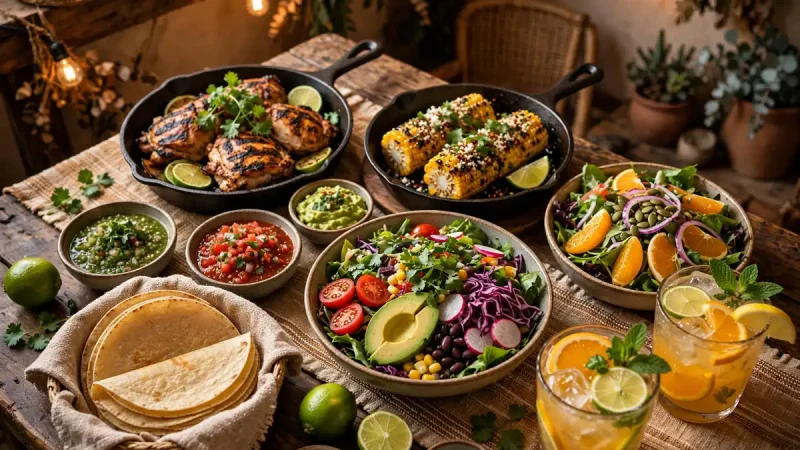
Then, your eyes catch color across nearby tables and plates. Bright salsas, fresh greens, and golden grilled edges invite curiosity. In fact, color often hints at freshness before the first bite.
Meanwhile, staff greetings set the tone for the whole meal. A relaxed welcome usually means the kitchen runs with confidence. Conversely, a rushed room can hint at a stretched team that day.
For comparison, readers enjoyed a similar sense of place in our visit story about culinary delights at Yangtse Restaurant. Likewise, hidden corners reward explorers, as shown in this hidden gem restaurant story from Riverton Trailhead.
How does an authentic regional plate tell its story?
Every regional plate carries habits from homes, markets, and seasons. For example, slow-cooked dishes often reflect family recipes passed down carefully. Also, house salsas usually reveal the kitchen’s true personality fastest.
Fresh tortillas, warm breads, or local grains often anchor the meal. Then, grilled meats, beans, and vegetables add comfort and balance. In short, authenticity tastes layered rather than loud or showy.
Acid and heat usually play supporting roles, not lead roles. A squeeze of lime can lift a rich stew gently. Similarly, a mild chile warmth can deepen flavor without burning it away.
Texture matters just as much as taste on the plate. Crisp edges, tender centers, and fresh garnishes keep bites interesting. Therefore, pay attention to contrast when you judge any dish.
Curious about how food traditions travel across cultures and centuries? Our look at foods Egyptians ate in daily life shows how staples shape identity over time. In the same spirit, regional kitchens protect memory through everyday cooking.
Which dishes styles should you look for first?
Start with the dishes that locals order without reading twice. First, look for slow stews, grilled specialties, and house soups. Then, notice which plates appear on almost every nearby table.
- House salsas and dips served with warm starters.
- Slow-cooked meats with regional spice blends.
- Fresh salads built from local market produce.
- Grilled vegetables with herbs, citrus, and oils.
- Traditional desserts with fruit, corn, or cacao notes.
Also, ask your server one simple question before ordering anything. Which dish best shows what this kitchen loves to cook? Honest servers usually light up at that question every time.
Seafood lovers can compare styles with our roundup of fast food fish sandwiches and how they differ. However, a regional kitchen usually wins on freshness and patience. After all, slow care rarely comes from a freezer bag.
What makes a meal feel welcoming for everyone?
A great dining room welcomes families, couples, and solo diners equally. For example, clear menus help guests with different comfort levels. Also, patient staff make first-time visitors feel safe asking questions.
Seating and noise shape the memory more than people expect. Comfortable chairs invite longer talks and slower, happier meals. Meanwhile, balanced music lets conversation stay easy and natural.
Planning a group meal with mixed ages and tastes? Our guide to family-friendly restaurants near you shares checks that help groups relax. Similarly, value hunters may compare formats in this guide to buffets near you and what to expect.
Ultimately, welcome shows in small, repeated acts of care. Water arrives without asking, and plates land warm and tidy. Consequently, guests remember kindness long after they forget garnish.
How should you plan your visit like a regular?
Regulars plan gently, yet they rarely over-plan the evening. First, check the official page for current hours and menus. Then, book ahead when the dining room looks small or popular.
- Check official pages for holiday hours and closures.
- Ask about spice levels before you order bold dishes.
- Share starters when you want to taste more styles.
- Save room for a house dessert or local drink.
- Carry a little cash for tips and small extras.
Also, arrive a little hungry, but never starving and rushed. A calm appetite helps you notice seasoning and texture properly. In fact, your first three bites teach you the kitchen’s style.
Then, order one familiar dish and one new discovery together. That balance keeps the meal safe, yet still adventurous. As a result, you leave with both comfort and a story.
Love capturing meals before the first bite disappears? These food photography lighting tips help your photos match the moment. Still, put the phone away once the table starts talking.
Which small details separate good from memorable?
Memorable kitchens sweat details that guests feel, not just see. For example, warm plates keep grilled food at its best. Also, fresh garnish added late keeps color and aroma alive.
Timing across the table matters more than speed alone. Mains should arrive together, so nobody watches others eat. Meanwhile, a short pause between courses lets flavors settle kindly.
Cleanliness quietly builds trust throughout the whole visit too. Clear tables, tidy floors, and fresh restrooms all send signals. Therefore, trust your eyes when something feels neglected or rushed.
Finally, listen to how staff talk about their own food. Pride sounds specific, calm, and full of small details. By contrast, vague hype usually hides an ordinary kitchen.
How do you taste like a curious local?
Tasting like a local starts with slowing down a little. First, smell the dish before you season it yourself. Then, try the house salsa exactly as the kitchen serves it.
Next, mix elements the way the plate invites you to. A bite with sauce, garnish, and base tastes different alone. In other words, the full bite shows the cook’s real intent.
Also, sip something simple alongside rich or spicy food. Water, citrus drinks, or mild coolers reset your palate gently. Consequently, later bites taste as vivid as the first ones.
Share plates when your group feels relaxed about it. Sharing turns one dinner into several small discoveries at once. After all, curiosity grows faster around a generous table.
How do drinks and desserts complete the story?
Drinks in a regional kitchen often carry tradition too. For example, fruit-based coolers can balance rich or spicy plates. Also, warm drinks after dinner can slow the evening kindly.
Then, desserts reveal another side of local cooking habits. Corn, fruit, cacao, and honey notes appear in many traditions. In fact, a simple dessert often teaches more than a fancy one.
Ask what the kitchen makes in-house before you choose. House-made items usually carry fresher texture and clearer flavor. Meanwhile, imported sweets rarely match the meal’s own story.
Portions also deserve a quick, honest thought here. Share a dessert when mains have filled the table well. Consequently, you taste the ending without spoiling the memory.
What if this is your first regional meal?
First visits feel easier when you lower the pressure. First, pick one starter, one main, and one shared side. Then, let the server guide spice and portion choices.
Tell staff plainly if heat worries you a little. Good kitchens adjust seasoning without mocking or fussing at all. In short, honesty at ordering saves regret at tasting.
Also, watch nearby tables for quiet clues about favorites. Repeated plates usually signal dishes the kitchen does best. Still, follow your own tastes before you copy anyone.
Bring curiosity, but leave rigid expectations at the door. Regional cooking follows seasons, markets, and family habits daily. Therefore, today’s plate may differ slightly from last month’s visit.
How can you support places like this well?
Support starts with simple respect for the work involved. First, arrive on time when you hold a booking. Then, tell the kitchen early about allergies or limits.
Also, order thoughtfully, so good food does not go wasted. Leftovers packed well can still taste great tomorrow too. In addition, fair tipping honors the whole team’s effort.
Share your visit with friends in honest, specific words. Name the dish, the welcome, and the small detail you loved. As a result, new guests arrive with realistic, warm expectations.
Finally, return in a different season when you can. Menus breathe with harvests, holidays, and local celebrations yearly. After all, loyalty helps small kitchens keep traditions alive.
What should you do after a great meal?
A great meal deserves a thoughtful ending, not a rush. First, thank the staff and mention the dish you loved. Then, note the plate name, so you can order wisely next time.
Also, leave an honest review that names specifics, not hype. Mention freshness, pacing, welcome, and one standout flavor clearly. In fact, specific reviews help future diners far more.
Finally, plan your return around a different course or season. Menus shift with markets, weather, and family traditions over time. Therefore, your second visit may feel like a new story.
Which season suits a visit best?
Every season paints a regional menu in slightly different colors. First, harvest months bring fresh produce and brighter salads. Then, cooler months favor slow stews and warmer spices.
Also, holiday periods often add family dishes and sweets. Meanwhile, quiet weekdays give staff more time to chat. Therefore, timing shapes both flavor and conversation at once.
Ask the kitchen what feels freshest on that day. Honest answers point you toward the market’s best picks. In short, seasonal curiosity rarely leads a diner wrong.
Loltun Restaurant, in the end, stands for a simple idea. Authentic flavor comes from place, patience, and honest daily cooking. So, check the official page, arrive curious, and taste slowly.
Also, remember that a dining room tells its story slowly, across starters, mains, drinks, and kind small gestures from the team who cook, serve, welcome, and care for guests every single busy evening without fail.
Which questions do first-time guests ask most?
New guests tend to ask the same helpful questions. So, here are short answers to guide your first visit.
Should you book ahead or just walk in?
Booking ahead is safer when evenings look busy. First, check the official page for booking guidance. Then, walk in calmly if the room welcomes it.
What if you cannot handle spicy food?
Tell your server early, and ask for milder plates. Good kitchens season with care, not with ego. In fact, mild dishes often show freshness even better.
How much should you order for a group?
Start with shared starters and one main each. Also, add one extra side for the table center. Consequently, everyone tastes widely without heavy waste.
Can a regional menu suit picky eaters?
Usually, yes, because regional menus run wide and warm. Grilled items, soups, and simple sides comfort cautious diners. Meanwhile, bold plates wait for the braver guests.
What should you try on a second visit?
Try the course you skipped the first time around. For example, start with soup instead of shared starters. Then, finish with a dessert style you missed before.
Also, sit in a different part of the room. A new seat changes sounds, light, and small details. In short, the same kitchen can feel freshly new.
Keep a small note of dishes, flavors, and staff tips after each visit, so your next order builds kindly on the last one.
One last tip stays with many happy diners for years. Order the dish you will still remember on the drive home. Then, let that single plate become your reason to return soon.