
L&T Farms Sporting Clays: The Ultimate Outdoor Shooting Experience
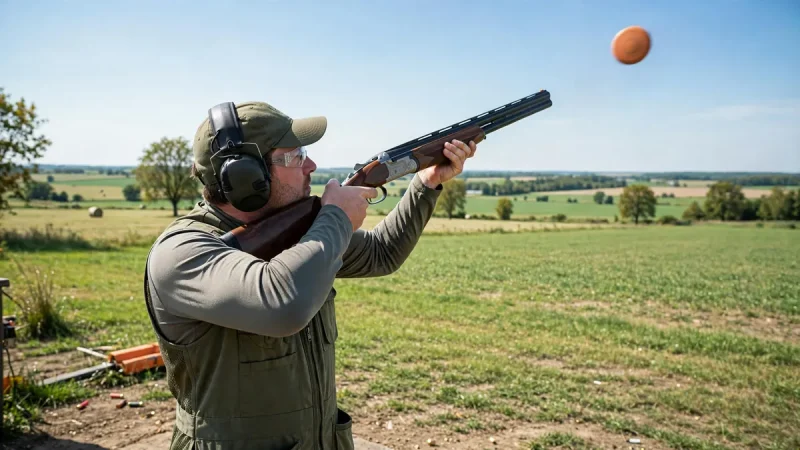
A clay target arcs across an open farm sky, bright and fast. You track it, swing smoothly, and feel the satisfying break. That simple thrill explains the pull of L&T Farms sporting clays.
This beginner playbook walks you through a full first day. First, you will learn what sporting clays actually involves outdoors. Then, you will prepare gear, safety habits, and simple technique.
Importantly, this guide invents no prices, hours, scores, or address details. Instead, it teaches planning checks that work at any sporting clays venue. Always check the venue’s official page for current rules first.
What is sporting clays, in plain words?
Sporting clays is shotgun shooting at flying clay targets outdoors. Targets launch from different angles, speeds, and distances across stations. In fact, many people call it golf with a shotgun.
Each station presents targets in its own creative way there. Some cross high, some curl low, and some spring upward. Meanwhile, farm fields, woods, and ponds shape every shot differently.
Beginners often relax once they see the social side clearly. Groups walk station to station, chat between rounds, and cheer breaks. Therefore, the day feels like an outing, not an exam.
Equipment reviews can help you understand shotgun basics before going. Our test of GMan sporting arms for precision and reliability covers build quality. Likewise, fit and comfort matter more than price tags.
How does a round at the farm usually flow?
A typical outing starts with check-in and a safety briefing. Staff explain range rules, station order, and scoring basics there. Then, your group heads out to the first station together.
At each station, shooters take turns in a set order. One person shoots while others watch targets and learn quietly. Also, a scorekeeper tracks hits on a simple card.
- Check in and sign any venue waivers.
- Attend the safety briefing without distractions.
- Collect eye and ear protection first.
- Walk stations in the posted order only.
- Return gear and review scores at the end.
Pace stays relaxed when groups respect turns and spacing well. Nobody should rush a shooter who is learning the swing. As a result, beginners improve faster in calm groups.
Large sports venues run on that same orderly rhythm daily. Our guide to the Tony Robichaux Sports Complex and athletic potential shows shared systems. Similarly, clear rules keep every guest safer and happier.
Which safety rules matter most on the course?
Safety rules in shooting sports stay simple and absolute always. Treat every shotgun as loaded, even when you feel certain. Also, keep muzzles pointed in safe directions at all times.
Load only when you stand in the shooting station ready. Unload before you turn, walk, or hand the gun over. Meanwhile, keep fingers off triggers until targets are called.
- Wear eye protection during the whole round.
- Wear ear protection at every single station.
- Carry shotguns open and clearly unloaded between stations.
- Use only the ammunition the venue allows.
- Stop instantly when any staff member calls stop.
New shooters should say openly when they feel unsure ever. Good instructors prefer questions over silent guessing every single time. In short, asking early prevents almost every common mistake.
Financing and safety both reward careful reading before purchase decisions. Our explainer on Flexstar gun financing and unlocking your dream firearm stresses terms. Likewise, range rules deserve that same word-by-word respect.
What gear should a beginner bring along?
Beginners need less gear than catalogs try to suggest daily. Comfortable outdoor clothing and closed shoes form the real base. Then, venue rentals often cover shotguns for first visits.
Eye and ear protection rank as true essentials for everyone. Sun cover, water, and a small bag also help greatly. In fact, comfort quietly improves focus across a long course.
A shooting vest or pouch keeps shells handy between stations. Gloves can help in cold weather, yet they stay optional. Meanwhile, leave valuables locked away instead of carrying them.
Multi-sport venues teach similar lessons about packing light outdoors. Our look at the Lambrecht Sports Complex for active lifestyles praises simple prep. Similarly, smart packing beats heavy packing almost everywhere.
How do you hit your first crossing targets?
Start with your feet set toward the target’s flight path. Mount the gun smoothly, and keep both eyes open wide. Then, swing through the target rather than aiming at it.
Most beginners miss behind fast crossing targets at first attempt. Lead means swinging ahead, so shot meets the moving clay. Also, keep the gun moving after the shot breaks.
Focus hard on the target itself, never on the barrel. Your eyes should lock onto the clay’s leading edge clearly. Consequently, your hands will follow your eyes almost automatically.
Short practice rounds beat long, tiring sessions for new shooters. Fatigue ruins form, and poor form builds stubborn bad habits. After all, fresh arms learn smooth swings far faster.
Body care supports shooting days more than most beginners expect. Our guide to performance physical therapy and peak athletic potential covers recovery. Likewise, shoulders and backs deserve respect after long rounds.
What should you expect from farm scenery and stations?
Farm settings give sporting clays its special outdoor character daily. Fields, tree lines, and water features frame targets naturally there. Meanwhile, wind across open land changes target flight subtly.
Stations often use terrain to hide or reveal targets cleverly. A clay may burst from behind hay bales suddenly upward. Then, another may skim low across a pond edge.
Weather shapes the day more on farms than indoors anywhere. Sun, breeze, and light rain all change visibility and comfort. Therefore, dress in layers and check forecasts before leaving.
Outdoor venues worldwide use landscape as part of the challenge. Our roundup of outdoor activities in Dubai shows desert versions clearly. Similarly, local land gives every course its own personality.
How can groups and families enjoy the day together?
Groups enjoy clays most when everyone shoots at their level. Mix patient coaching with plenty of breaks and shared snacks. Also, celebrate first breaks loudly, because confidence grows fast.
As the exhilarating experience of sporting clays unfolds, it is a reminder of the broader array of skills and precision required in various sports, including football. Just as mastering the art of tracking a clay target demands focus and dedication, so too does the journey of athletes who strive to excel in their respective fields. For instance, the impressive trajectory of a player like Donte Lindsey, a defensive back for UMass, showcases the level of commitment and technique necessary to make an impact on the field. His journey, marked by determination and a breakout performance, reflects the same kind of discipline that enthusiasts of sporting clays cultivate in their pursuit of excellence. Such parallels between seemingly disparate activities underscore the universal principles of skill development and the thrill of achieving one’s personal best.
Non-shooters can still join the walk and the scenery happily. Many courses welcome observers who follow safety rules strictly outdoors. In addition, farm air and views reward everyone present.
Kids need age-appropriate guidance and close adult supervision always there. Ask the venue about junior rules before you book groups. In short, plan family days around official guidance only.
Adventure groups often pair shooting with other outdoor plans nearby. Our look at Adventure Lifestyle Group and outdoor thrills shows that pattern. Likewise, one anchor activity can shape a full weekend.
What etiquette keeps the course pleasant for everyone?
Good etiquette starts with quiet focus while others shoot nearby. Save coaching comments until the shooter finishes the station fully. Meanwhile, keep phones silent and put away during rounds.
Pick up your empty shells where the venue asks you to. Leave each station cleaner than you found it that day. Therefore, staff and later groups will thank your habits.
Share equipment tips kindly, yet never grab another person’s shotgun. Ask before handling any gun that belongs to someone else. As a result, trust stays high inside every group.
Patience with slower groups also marks a classy shooter clearly. Wait calmly, enjoy the scenery, and use the pause well. After all, nobody owns the course or the clock.
How should you plan your first visit step by step?
Start planning by reading the venue’s official page carefully first. First, confirm opening days, booking needs, and rental options there. Then, gather your group and agree on a relaxed pace.
- Book or confirm your visit with the venue.
- Check weather and dress in outdoor layers.
- Arrive early for check-in and briefing time.
- Start on beginner-friendly stations if offered.
- Take breaks for water, shade, and rest.
- Review your scorecard without harsh judgment.
Also, eat a normal meal before a long outdoor round. Low energy hurts focus, mood, and safe gun handling quickly. In fact, simple fuel protects the whole afternoon well.
Finally, end the day by noting what improved most noticeably. Write down which targets felt easier and which felt hard. Consequently, your next visit starts with a real plan.
Which mistakes do first-time shooters make most?
New shooters often aim like the target stands still completely. Stopping the swing at the shot causes most early misses. Still, one coaching tip can fix that habit quickly.
Some beginners also choose gear that fits them poorly overall. Heavy guns tire small shooters and ruin mounting form fast. Meanwhile, rentals in several sizes can solve that problem.
Others skip the safety briefing details while chatting with friends. Every venue sets slightly different rules, signals, and station layouts. Therefore, listen fully, even when you feel experienced elsewhere.
Finally, many beginners judge themselves against seasoned shooters unfairly. Sporting clays rewards months of calm, steady practice over time. In short, compare today only with your last outing.
How does practice turn a fun day into a skill?
Skill grows through short, focused practice rather than marathon sessions. Pick one target style per visit and study it closely. Then, note your stance, swing, and lead after each station.
Lessons from a qualified instructor can shorten the learning curve. Fresh eyes spot grip, mount, and footwork errors very quickly. Also, video review helps shooters see habits they miss.
Dry practice at home should follow venue and instructor guidance. Safe handling rules apply everywhere, even far from the course. Meanwhile, never practice with live ammunition outside proper ranges.
Track your scores loosely across visits to spot real progress. Scores rise unevenly, yet trends reveal learning over whole seasons. As a result, patience turns into visible, satisfying improvement.
Celebrate small milestones, like your first clean station round ever. Milestones keep motivation alive during plateaus and tricky target days. After all, joy is the engine of steady practice.
How does scoring work, and should beginners care?
Scoring stays simple at most courses for casual groups. A visible chip off the clay usually counts as a hit. Meanwhile, the scorekeeper marks each station on your card.
Beginners should treat scores as feedback, never as judgment there. Early cards simply show which target angles need more practice. In fact, honest scores guide your next lesson choices.
Friendly groups often set tiny personal goals for the day. Maybe you chase one clean station or one new target type. Therefore, progress feels personal instead of competitive and tense.
Serious shooters may join leagues or registered events later on. Those formats follow stricter rules and official scoring systems fully. Still, every expert once carried a very humble first card.
Which questions do first-time visitors ask most?
First-time visitors usually ask the same reassuring questions beforehand. So, here are plain answers to help you plan calmly.
Do you need experience before trying sporting clays?
No, beginners are welcome at most sporting clays venues generally. Briefings and instructors help new shooters start safely and calmly. In short, curiosity and listening matter more than experience.
What should you wear on the course?
Wear comfortable outdoor clothing and closed, sturdy footwear there. Layers help with wind, sun, and changing farm weather daily. Meanwhile, leave loose jewelry and flowing sleeves at home.
Can you rent equipment as a beginner?
Many venues offer rentals, yet policies vary by location always. Check the official page or call before your visit day. Therefore, you will arrive knowing exactly what to bring.
How long does a round usually take?
Round length depends on course size and group speed largely. Plan a relaxed half-day rather than a rushed hour. As a result, breaks and learning fit naturally inside.
How can you improve between visits simply?
Review your notes and practice smooth mounts with guidance only. Focus on footwork, vision, and calm breathing before each shot. After all, simple habits compound into real skill steadily.
L&T Farms sporting clays, in the end, blends farm air with focus. Targets fly, friends cheer, and skills grow one station at a time. So, check the official page, pack light, and enjoy the course.