
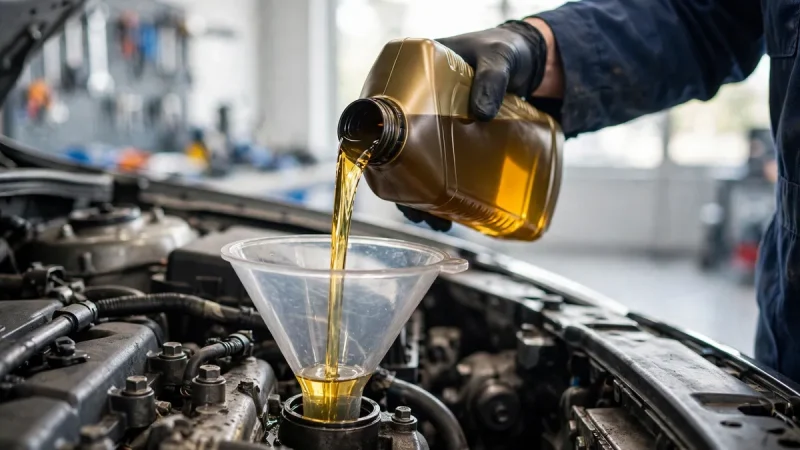

Honestly, no single number suits every car on the road. Your engine, oil type, and driving style all matter greatly. Therefore, treat every interval here as a general range. Always check your owner’s manual for the final answer. After all, the maker built your engine and knows it best.
What does engine oil actually do inside your engine?
Many drivers ask the same basic question at first. What does engine oil actually do during every drive? Basically, oil coats moving metal parts with a thin film. As a result, those parts slide smoothly instead of grinding. Without that film, friction would wear your engine very fast.
How often should you change engine oil in general terms?
So, how often should you change engine oil for most cars? Generally, many modern cars follow much longer intervals than older cars. Some makers suggest checks based on miles and time together. Others, meanwhile, use an oil life monitor on the dashboard. Clearly, your own schedule always beats a stranger’s guess.
Time matters even when your mileage stays quite low. Oil slowly breaks down as months pass by quietly. Also, moisture and fuel can collect during short trips. Therefore, most schedules pair a mileage limit with a time limit. You should follow whichever limit arrives first for you.
How does the conventional vs synthetic oil change interval compare?
The conventional vs synthetic oil change interval gap surprises many drivers. Conventional oil comes from refined crude oil with basic additives. Synthetic oil, in contrast, starts with a more controlled base. As a result, synthetic oil resists heat and breakdown far better. Still, both types need changing on a regular schedule.
| Oil Type | Typical General Range | Best Fit |
|---|---|---|
| Conventional oil | Shorter range, often around 3,000 to 5,000 miles or every few months | Older cars and light, gentle driving |
| Synthetic blend oil | Middle range, often around 5,000 to 7,500 miles | Daily drivers who want extra protection |
| Full synthetic oil | Longer range, often around 7,500 to 10,000 miles or more | Modern engines, heat, and heavy use |
Those ranges offer guidance only, never a firm promise. Indeed, some makers approve shorter or longer intervals than these. Turbo engines, for example, often demand stricter care schedules. Similarly, older engines may need fresh oil much sooner. So read your manual before you trust any table.
How long does a synthetic blend option really last?
Drivers often ask about synthetic blend oil how long it lasts. Generally, a blend lasts longer than conventional oil alone. Still, a blend rarely matches full synthetic oil for life. Therefore, most blends sit neatly in the middle range. Your manual, once again, gives the limit for your car.
How is the manufacturer oil change schedule explained simply?
Your handbook holds the most trusted schedule for your car. The manufacturer oil change schedule explained in that book feels simple. Firstly, find the maintenance section near the back pages. Secondly, look for normal and severe service schedules there. Thirdly, match your driving habits to the right schedule.
Most handbooks list two schedules for very good reasons. Normal driving means longer trips at steady road speeds. Severe driving, in contrast, means short trips and heavy loads. As a result, severe use shortens the interval quite often. Indeed, many drivers unknowingly follow severe patterns every week.
Some modern cars also track oil life for you automatically. A dashboard message then tells you when service approaches. Still, you should never ignore time limits on that system. Oil ages even when wheels barely turn each month. Therefore, combine the monitor, the manual, and your own checks.
Regular care at a trusted local workshop also keeps records tidy. Many owners value places like Woodcrest Auto Service for trusted repairs and expert car care for that reason. Clear service records, for instance, help future buyers trust your car. Also, records remind you when the next change is due. Simple paperwork, clearly, prevents many missed oil changes.
What do oil viscosity grades explained in plain words mean?
You have seen codes like 5W-30 on oil bottles, right? The section on oil viscosity grades explained here clears that up. Basically, viscosity describes how thick oil feels at temperatures. The first number covers cold starts during chilly mornings. Meanwhile, the second number covers hot, running conditions later.
Always use the grade your maker lists for your car. The letter W simply stands for winter in that code. A lower first number flows faster during cold starts. Consequently, your engine gets protection sooner on frosty days. A higher second number keeps a stronger hot film. Still, thicker never automatically means better for your engine.
How to check oil with a dipstick in a few minutes?
Learning how to check oil with a dipstick empowers every driver. You need no tools, no ramp, and no special skill. Indeed, the whole check takes about five calm minutes. Regular checks also catch low oil before damage starts. Ready to try the check on your own car?
How to check engine oil level correctly, step by step?
Follow these steps for how to check engine oil level correctly. Firstly, park on flat ground and switch the engine off. Secondly, wait a few minutes so oil settles down. Thirdly, open the bonnet and find the dipstick handle. Usually, the handle shows a bright colour for easy spotting.
- Pull the dipstick out and wipe it clean first.
- Push the dipstick fully back into its tube.
- Pull the dipstick out again and hold it level.
- Read the oil line against the minimum and maximum marks.
- Rub a little oil between your fingers and look closely.
Good oil level sits between the two dipstick marks. Oil near the lower mark needs a careful top-up soon. Also, use only the grade your manual lists for topping up. Then check again after you add a small amount. Clearly, small additions beat one large, messy overfill every time.
What does dark gritty oil what it means on the stick?
Colour alone can mislead you, so look more carefully. The phrase dark gritty oil what it means deserves attention here. Dark oil often simply shows oil doing its cleaning job. Gritty oil, however, tells a more worrying story for drivers. Sand-like specks between your fingers suggest dirt or wear inside.
Fresh oil usually feels smooth and looks golden or amber. Old oil, in contrast, turns darker and feels much thinner. Milky oil may signal a coolant leak inside the engine. Therefore, milky or gritty oil deserves a prompt professional check. Do not just top up and hope for the best.
A careful workshop can confirm what your dipstick suggests. Drivers who prefer a long-trusted local team often visit Gedney Auto Service Inc, your trusted automotive repair experts for checks. Such a visit, for instance, can rule out leaks early. Early answers, indeed, usually cost far less than late repairs.
What are the clearest signs your car needs an oil change?
Your car often warns you before oil trouble grows serious. Learning the signs your car needs an oil change helps greatly. Firstly, watch your dashboard for service or oil messages. Secondly, notice new noises, smells, or rough running at home. Thirdly, trust your dipstick checks more than guesswork alone.
- Your dashboard shows an oil or service reminder light.
- Your engine sounds louder, rougher, or knocks under load.
- Your dipstick shows low, very dark, or gritty oil.
- Your exhaust smoke looks darker or more obvious than usual.
- Your car feels sluggish and uses more fuel than before.
- Your last change happened long beyond the maker schedule.
What is the oil pressure warning light meaning for drivers?
One dashboard symbol demands your fastest response every time. The oil pressure warning light meaning is simple and serious. That light suggests oil pressure has dropped too low inside. Low pressure may mean low oil, a leak, or worse. Therefore, stop safely and switch the engine off quickly.
Never drive onward while that red light stays lit. Moving parts can suffer damage within a very short time. Instead, check the dipstick after the engine cools slightly. Also, look under the car for fresh oil leaks. If the level looks fine, still seek expert help promptly.
Reliable help matters most during worrying moments like these. Local drivers often turn to McGriff Auto Service for reliable car care solutions near you for guidance. A proper pressure test, for example, finds the true cause. Guessing at home, in contrast, can waste precious time.
What are the common burning oil smell from engine causes?
A sharp, acrid smell after driving should never feel normal. The main burning oil smell from engine causes include small leaks. Oil can drip onto a hot exhaust part nearby. Consequently, the oil burns and sends smell into the cabin. Worn seals and loose covers often start such leaks.
Burning oil can also happen inside the engine itself. Worn rings or seals may let oil enter combustion areas. As a result, you may notice bluish exhaust smoke too. Both patterns, clearly, deserve a check rather than a top-up alone. A top-up hides the level drop but not the cause.
How do severe driving conditions and oil life connect?
Your daily routine may strain oil more than you realise. The link between severe driving conditions and oil life matters greatly. Short trips, for instance, never fully warm the engine oil. Cold oil then holds moisture and fuel inside it longer. Consequently, the oil breaks down faster than highway oil does.
- Frequent trips under about five miles in normal weather.
- Long idling in traffic, queues, or school runs daily.
- Towing trailers or carrying heavy loads and roof cargo.
- Driving on dusty, muddy, or very hilly roads often.
- Extreme heat, extreme cold, or stop-and-go city driving.
Do several items on that list describe your normal week? Then your car probably follows the severe service schedule. That schedule, indeed, shortens the oil interval for protection. Highway drivers, in contrast, usually follow the normal schedule safely. Once again, your manual defines severe use for your model.
Heat deserves special respect in sunny, crowded cities especially. Drivers who protect cabins from harsh sun with Indiana legal tint to transform your vehicle with style, safety and compliance still face hot engines. Tint helps people and interiors, but oil still endures heat. Therefore, hot climates strengthen the case for timely changes.
Premium care habits also grow easier with a regular workshop. Fans of thorough servicing often choose Euroman Auto Service for premier automotive care and ultimate performance for European models. Specialist knowledge, for example, helps with maker-specific oil grades. Still, any competent workshop can follow your manual schedule. The key habit, clearly, is consistency rather than brand loyalty.
How do oil changes for low mileage cars work over time?
Some cars sit in garages for weeks between drives. Rules for oil changes for low mileage cars focus on time. Oil still ages, absorbs moisture, and loses protective strength slowly. Therefore, a yearly limit often applies even at low miles. Your manual may state a shorter time limit instead.
Imagine a car that covers only 2,000 miles yearly. The mileage looks tiny, yet the oil grows old regardless. Short, rare trips can actually worsen moisture buildup inside. Consequently, time-based changes protect that engine better than mileage alone. Have you checked the date of your last change lately?
Low use drivers sometimes explore different ownership models too. Reading about why car subscription services are rapidly gaining popularity shows that shift clearly. Subscription plans often bundle routine servicing into one fee. Owners, in contrast, must track every date themselves carefully. Either way, engines still need fresh oil on schedule.
Should you change the oil filter every time?
This question pops up at almost every service visit. Should you change the oil filter every time you change oil? Most makers and workshops say yes for good reasons. The old filter holds dirty oil and trapped grime inside. Leaving that filter, therefore, mixes dirt into fresh oil quickly.
A new filter also protects oil flow through the engine. Clogged filters, in contrast, restrict flow and raise strain. Indeed, a filter costs little beside a full oil change. Skipping the filter saves very little money in practice. So pair a fresh filter with every fresh fill.
Trusted workshops build that pairing into routine care automatically. For example, Dunkum’s Tire & Auto Service, your go-to solution for premium auto care, reflects that bundled approach. Tyres, oil, and filters together keep a car balanced overall. Still, always ask what your service includes before work starts. Clear questions, after all, prevent surprise bills later on.
What happens if you skip an oil change for too long?
Skipping one interval rarely ruins an engine overnight, thankfully. Still, drivers should know what happens if you skip an oil change repeatedly. Old oil thickens, weakens, and stops cleaning parts properly. As a result, friction and heat rise inside the engine. Wear then speeds up across bearings, rings, and chains.
What are the main engine sludge buildup causes to know?
Thick, tar-like deposits reveal long-term neglect inside an engine. The common engine sludge buildup causes start with overdue oil changes. Heat breaks old oil down into sticky, dark deposits slowly. Short trips, meanwhile, add moisture and fuel to the mix. Consequently, sludge clings to passages and starves parts of oil.
Which common oil change myths should you stop believing?
Myths survive because old advice once suited older cars. Modern engines, oils, and monitors have changed the picture greatly. Indeed, blindly following grandad-era rules can waste money today. Equally, stretching intervals beyond maker limits risks real damage. So use evidence and your manual, not folklore alone.
Is the old fixed-interval myth still true for modern cars?
The famous fixed rule claimed every car needed identical timing. That claim suited older oils and simpler engines decades ago. Modern oils, in contrast, last far longer under normal use. Modern engines also vary hugely in design and demands. Therefore, one universal mileage figure cannot fit every car.
Does dark oil always mean you need a change today?
No, dark oil alone does not prove oil has failed. Oil darkens as the oil cleans and holds dirt safely. Indeed, quickly darkening oil may show strong cleaning action inside. Grit, milkiness, or a very low level worries mechanics more. So judge oil by level, feel, age, and schedule together.
Can you safely switch between conventional and synthetic oil?
Generally, most modern oils mix safely when grades match properly. Still, maker guidance should lead that choice for your engine. Some engines require synthetic oil from the factory onward. Always honour that requirement, because the design depends on it.
How can you build a simple oil care routine that sticks?
A simple routine removes guesswork from oil care completely. Firstly, write your last change date and mileage down clearly. Secondly, check the dipstick once a month at home. Thirdly, set a phone reminder near your next due date. Small habits, indeed, protect engines better than memory alone.
Finally, treat how often should you change engine oil as a personal schedule. Your car, your oil, and your roads create that schedule. Use general ranges here only to start the conversation. Then follow your manual and your trusted workshop advice. Does a calmer, clearer oil routine sound good to you?
Frequently asked questions
How often should you change engine oil if you drive very little?
Follow the time limit in your manual above mileage alone. Many schedules suggest a change at least once yearly regardless. Short, rare trips can add moisture to ageing oil quietly. Consequently, low mileage never means you can skip changes forever. Check the date, then book when time runs out.
Can you check oil right after switching the engine off?
Wait a few minutes before you pull the dipstick out. Oil needs time to drain back into the sump fully. Reading too early, in contrast, can show a false low level. Also, park on flat ground for an honest reading. Those two pauses make your monthly check far more reliable.
Does synthetic oil let you ignore the manufacturer schedule?
No, synthetic oil never cancels your maker schedule at all. Synthetic oil resists breakdown better, yet the oil still ages. Also, filters clog and additives slowly lose their strength. Therefore, treat longer synthetic ranges as guidance inside maker limits. Your manual always sets the outer boundary for your car.
What should you do if the oil pressure light comes on?
Stop safely, switch the engine off, and avoid restarting it. Then check the oil level once parts cool a little. Look for leaks under the car during that pause too. If the level seems low or normal, seek help anyway. Driving with low pressure can damage an engine very quickly.
Is it normal for a car to use some oil between changes?
Some engines use a small amount of oil over time. Age, design, and driving style all affect that usage rate. Still, a sudden rise in usage deserves prompt attention soon. Check the level monthly so small drops never surprise you. Regular checks, indeed, turn oil use into useful information.
Should you change oil before a long road trip?
Change the oil early if the trip will pass your due point. Fresh oil and a new filter suit long, hot drives well. Also, check the level again just before you leave home. That final check takes minutes and adds real peace of mind. Clearly, starting fresh beats worrying at every fuel stop.

