

Every driver knows that uneasy workshop feeling. You hand over your keys, then hope for honest news. Will the bill stay fair, or grow mysteriously overnight? A search for Woodcrest Auto Service usually starts with that worry. So let us clear the fog around car repair services. This myth-busting playbook explains services, warning signs, and trust checks. Then you can book your next visit with confidence.
Good workshops actually want informed customers, honestly. Informed drivers approve work faster and argue less afterwards. Meanwhile, confused drivers delay small repairs until they snowball. Therefore, a little knowledge protects both your car and wallet. Also, most workshop language sounds scarier than it is. So we will translate the jargon into plain English. Ready to pop the bonnet on the myths?
Myth One: Only Dealerships Can Service Your Car Properly
Many drivers believe independent workshops void their warranties automatically. That belief keeps them paying premium prices for simple jobs. However, rules differ by country, warranty, and service type. So check your warranty terms before assuming anything at all. Independent garages often employ factory-trained technicians with serious experience. Also, they typically use quality parts that meet specifications. Therefore, ask any workshop what parts they fit. A confident answer should name brands and standards clearly.
Still, some jobs genuinely suit specialist equipment or software. A trustworthy garage admits those limits without embarrassment, honestly. Then they refer you onward instead of guessing expensively. That honesty signals a trusted car mechanic far better. For a wider view of local garage models, see McGriff Auto Service and reliable car care solutions nearby. Meanwhile, compare how different workshops explain the same repair.
Myth Two: The Cheapest Quote Is Always the Smartest Quote
Cheap quotes tempt everyone, especially during expensive months. However, a low quote sometimes hides low-quality parts. It may also exclude fluids, disposal, or diagnostic time. Then the final bill climbs back up anyway. So ask what the quote includes, line by line. Also, ask whether the price covers parts and labour. Finally, get the full figure in writing before approval.
Good value looks different from rock-bottom pricing, honestly. It means correct diagnosis, decent parts, and guaranteed workmanship checks. Ask when booking what guarantee the workshop typically offers. Also, ask how they handle problems after a repair. Our piece on sensible auto customer service and trust explores that aftercare mindset. Meanwhile, remember that repeat repairs cost more than proper ones. Indeed, fixing a fix is the priciest outcome.
The Core Services, Explained Without Jargon
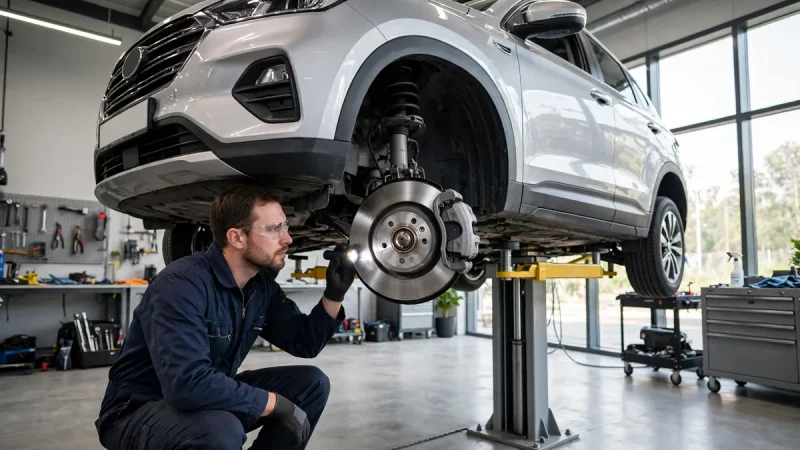
Brake work covers pads, discs, fluid, and callipers. Worn pads squeal, grind, or lengthen your stopping distance. Meanwhile, engine diagnostics plug scanners into your car’s computer. An engine diagnostic check reads fault codes and live data. Then a technician interprets those clues with experience. Codes point toward problems, yet they rarely name them. Therefore, diagnosis mixes technology with old-fashioned detective work.
Oil services drain old oil and replace the filter. Fresh oil protects moving parts from heat and friction. Tyre services include fitting, balancing, alignment, and pressure checks. Also, workshops rotate tyres to spread wear more evenly. Air conditioning services test gas levels, leaks, and compressors. For deeper myth-sorting on cooling, read the air conditioning repair services fact-from-fiction guide afterwards. Finally, full vehicle servicing bundles checks across every system.
Warning Signs You Should Never Ignore
Your car usually whispers before it shouts, honestly. So learn its early warning language carefully now. Signs your brakes need replacing include squealing and grinding. A spongy pedal or vibration also demands quick attention. Meanwhile, dashboard lights deserve respect, not hopeful ignoring. An engine light can signal anything from sensors to misfires. Therefore, book a diagnostic check soon after it appears.
Fluids leaking under a parked car tell stories too. Dark oil, pink coolant, and clear water mean different things. Also, new smells matter, like burning rubber or sweetness. Unusual knocking, whining, or clunking sounds deserve investigation promptly. Still, do not panic at every tiny noise. Instead, note when the sound happens and record it. Then your technician can reproduce the fault much faster. Indeed, good clues save diagnostic time and money.
Myth Three: Servicing Can Wait Until Something Breaks
Skipping services feels like saving money this month. However, old oil slowly damages engines from the inside. Worn brakes then turn urgent and expensive very quickly. Meanwhile, small coolant leaks become overheating breakdowns on busy roads. So preventive care beats emergency repairs almost every time. Also, service history supports your car’s resale value later. Buyers trust stamped books and tidy receipts, honestly.
Think of servicing like dental check-ups for cars. Small clean-ups prevent painful, costly work further down. Therefore, follow the schedule in your owner’s handbook first. Driving style and mileage may adjust that schedule slightly. Short trips and dusty roads strain cars differently. So ask your workshop which interval fits your usage. Then write the next due date somewhere visible. Finally, treat that date like a real appointment.
Your Practical Auto Maintenance Checklist
Try this simple monthly playbook at home yourself. First, check tyre pressures while tyres stay cold. Then inspect tread depth and sidewalls for damage. Also, test every light with a helper or wall. Next, top up washer fluid before it runs dry. Meanwhile, peek at coolant and oil levels between services. Finally, listen during one quiet drive each month.
- Monthly: tyre pressure, lights, fluids, and strange noises.
- Seasonally: wiper blades, battery health, and air conditioning.
- Yearly: full service, brake inspection, and alignment check.
- Always: investigate new smells, leaks, or dashboard lights.
Tyre care deserves its own moment in this playbook. Underinflated tyres wear edges, waste fuel, and handle poorly. So keep a small pressure gauge in your glovebox. For tyre-focused workshop thinking, browse Dunkums tire and auto service for premium auto care next. Also, rotate tyres at the intervals your handbook suggests. Afterwards, your tyres should wear evenly and last longer.
How to Judge a Trustworthy Workshop
Start with how the workshop explains your problem. Clear explanations use drawings, photos, or your old parts. Meanwhile, rushed jargon often hides rushed thinking, honestly. So ask them to show you the failed component. Also, ask whether the repair is urgent or watchable. Honest garages separate must-fix items from monitor-later items. Therefore, you can budget repairs in a sensible order.
Next, watch how they handle estimates and approvals. Nobody should start extra work without your permission first. So confirm they will call before adding any jobs. Also, check reviews for patterns about communication and fairness. One bad review proves little, yet repeated themes matter. Another long-standing example appears in the Gedney Auto Service trusted repair experts profile. Finally, notice whether reception staff treat questions with patience.
Questions Worth Asking When You Book
What does the diagnostic fee cover, exactly? Will you call me before doing extra work? Which parts will you fit, and why those? How long will the car realistically stay with you? What checks do you complete before handing keys back? Also, ask what guarantee typically covers parts and labour. Then note the answers in your phone immediately. Afterwards, comparing workshops becomes calm and factual.
Myth Four: A Warning Light Always Means Disaster
Dashboard lights frighten drivers out of proportion, honestly. Some lights flag genuine emergencies needing immediate stopping. Others simply schedule a check within coming days. So learn your handbook’s colour code properly tonight. Red usually means stop safely and seek help. Amber typically means book a check fairly soon. Meanwhile, green and blue lights simply report active systems.
Still, ignoring amber lights for months invites trouble. A small sensor fault can mask bigger problems later. Therefore, pair every persistent light with a diagnostic visit. Also, mention recent changes when you book in. Did the light follow fuel, a bump, or rain? Those details guide the technician’s first tests beautifully. Indeed, context often halves the diagnostic hunt.
Seasonal Playbook: Winter, Summer, and Long Trips
Seasons stress different parts of your car, naturally. Winter punishes batteries, tyres, and frozen washer systems. So test the battery before the coldest weeks arrive. Summer heat strains cooling systems and air conditioning instead. Meanwhile, long trips deserve a pre-journey inspection always. Ask for brakes, tyres, fluids, and lights checking together. Then small faults get fixed at home, not roadside.
Planning cosmetic or legal upgrades during quieter months? Rules for window films vary by region and vehicle. The guide to Indiana legal tint, style, safety and compliance shows that rule-checking habit. Also, some drivers compare ownership models before big repairs. Our explainer on why car subscription services are gaining popularity covers that alternative. Finally, choose the model that suits your mileage honestly.
What Actually Happens During a Full Service?
Many drivers imagine servicing means an oil change only. A full service, however, checks far more systems. Technicians inspect brakes, steering, suspension, and exhaust components carefully. Then they test lights, levels, and battery condition too. Also, they scan for stored fault codes electronically. Meanwhile, wheels come off for proper brake measurements. Afterwards, you should receive a written health report.
That report matters more than the stamp itself. It lists items needing attention now and later. So ask the technician to rank those items honestly. Green items simply passed their checks this time. Amber items will need attention in coming months. Red items, however, affect safety or legality directly. Therefore, fix red items first and plan amber ones. Finally, file the report with your service records.
Keep Records Like a Pro, Without Any Fuss
Try this tiny habit after every single visit. Photograph the invoice and report with your phone. Then save them in one album named car records. Also, note the mileage beside each repair entry. Meanwhile, keep warranty paperwork for parts in that album. Afterwards, patterns become obvious when faults repeat themselves. Indeed, records turn vague memories into useful evidence.
Records also help when you change workshops later. A new technician can see what happened before. Then they avoid repeating tests you already paid for. Also, buyers love organised histories during resale negotiations. So ten seconds of filing protects real money later. Besides, your future self will thank you warmly. Finally, set one phone reminder for the next service.
Bringing It Together Before Your Next Booking
So, what should you actually do this week? First, walk around your car with the checklist above. Then note every squeak, light, and leak you find. Next, book a vehicle servicing guide review with a workshop. Also, bring your service book and handbook along. Afterwards, ask the booking questions and note every answer. Finally, approve work in writing, calmly and clearly.
Woodcrest Auto Service, like any workshop, earns trust job by job. You cannot judge that from an advert alone. Instead, judge explanations, estimates, and aftercare on real visits. So start with one small job and observe carefully. Meanwhile, keep your own records tidy in one folder. Indeed, organised owners get better service almost everywhere. Then every future visit feels simpler, cheaper, and calmer.

