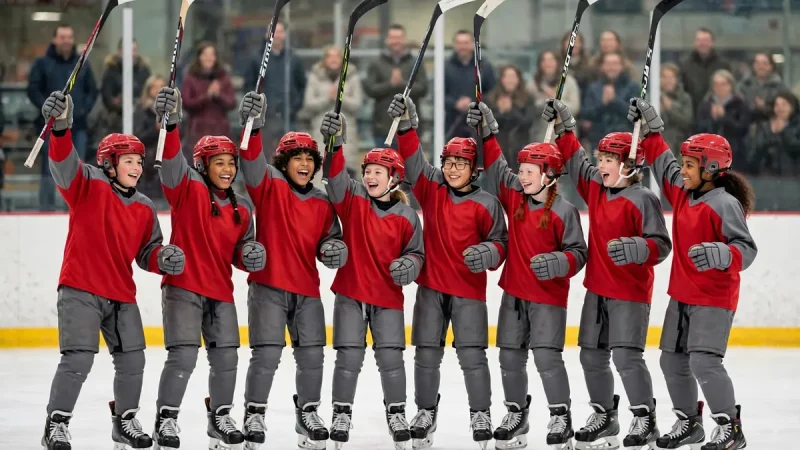

Buckeye Travel Hockey: The Ultimate Path to Competitive Greatness
Your kid deked past three defenders at Saturday practice again. House league games now end before the challenge really starts. Somewhere inside, a question keeps tapping your shoulder lately. Is travel hockey the right next step for us?
Buckeye travel hockey represents that step for many Ohio families. Travel teams play stronger opponents across longer, busier seasons. Practices grow sharper, tournaments fill weekends, and standards rise everywhere. For the right player, that pressure becomes pure fuel.
This listicle breaks the path into seven clear building blocks. Each block explains one part of competitive travel hockey honestly. You will see the benefits, the trade-offs, and the homework. No hype, no scare tactics, just a practical family map.
One rule applies to every detail in this guide. Fees, tryouts, and schedules change, so verify them officially. Team and league pages carry the current, binding information. Everything here describes how travel hockey generally works today.
1. Stronger Competition Every Single Weekend
Travel rosters gather committed players from wider areas together. Games therefore test skills that house leagues rarely challenge. Skaters must move pucks quicker under real defensive pressure. Goalies, meanwhile, face shooters who pick corners with intent.
Losing teaches travel players lessons that easy wins hide. A blown lead demands honest reflection in the locker room. Coaches then rebuild habits during the next practice session. Consequently, resilience grows alongside skating, shooting, and passing skills.
Ohio’s hockey map gives families plenty of regional variety. Weekends might pair games with exploring new towns together. Our list of best places to visit in the fall in Ohio helps plan those trips. Hockey weekends can quietly become family mini-adventures too.
2. Coaching That Demands More, Earlier
Travel coaches usually hold certifications and deeper playing backgrounds. Practices follow plans built around systems, not random drills. Players learn breakouts, coverage, and power play structure properly. In fact, hockey IQ often jumps fastest at this level.
Feedback also arrives blunter than many families expect initially. Coaches correct positioning and effort in direct, honest language. Kids who accept coaching without sulking improve remarkably quickly. Parents, meanwhile, must let that process breathe from afar.
Great programs develop character alongside slap shots and edges. Captains learn accountability, while younger players learn patience. Everyone learns how preparation beats talent on tired legs. Those lessons outlast youth hockey by several decades, easily.
3. Teammates Who Push Each Other Higher
Roster spots at tryouts create healthy, honest internal competition. Nobody coasts when a teammate wants their next shift. Practices therefore crackle with an energy house sessions lack. Iron sharpens iron, as every veteran hockey parent says.
Friendships inside travel teams often run surprisingly deep too. Long bus rides and shared tournament pressure bond kids. Locker room jokes become family stories for years afterward. Similarly, parents build their own sideline support networks quickly.
Hockey heritage adds inspiration for young Ohio players. Reading about the Peter Forsberg jersey and hockey history connects kids to legends. Heroes give young skaters models for creativity and toughness. Dreams, handled wisely, can power early morning practices.
4. Athletic Development Beyond the Ice Surface
Serious travel programs treat fitness as part of hockey. Dryland sessions build strength, balance, and explosive first steps. Stretching routines protect growing bodies through demanding tournament weekends. As a result, players become athletes, not just skaters.
Families curious about structured training should study wider models. Our guide to performance physical therapy and sports training explains peak development principles. Recovery, mobility, and smart load management matter at every age. Young bodies deserve that professional level of care.
Nutrition quietly decides who fades during third periods. Balanced meals and steady hydration beat sugary rink snacks. Our roundup of fitness and nutrition tips offers practical starting points for families. Small kitchen habits can support big on-ice ambitions.
Quality facilities shape development across every youth sport too. Tour the Tony Robichaux Sports Complex story for facility inspiration. Likewise, Lambrecht Sports Complex shows another elite training environment model. Great venues remind families what serious development spaces provide.
5. Tournament Weekends That Build Big-Game Nerve
Tournaments compress a season’s emotions into three wild days. Teams play multiple games against unfamiliar opponents from elsewhere. Momentum swings fast, and every shift suddenly feels huge. Kids learn composure because tournaments punish panic without mercy.
Travel logistics become a family skill in themselves quickly. Parents master rink addresses, hotel breakfasts, and gear drying. Our picks among the best travel credit cards for 2025 can ease tournament spending. Similarly, five top travel apps for your next trip simplify routes and bookings.
Between games, smart families protect rest above everything else. Naps, quiet time, and simple meals restore young athletes. Sightseeing tempts everyone, yet Sunday legs remember Saturday choices. Balance fun with recovery, and Monday feels far kinder.
6. Exposure, Pathways, and Honest Perspective
Travel hockey places players in front of stronger evaluators. Regional showcases and competitive leagues raise the visibility ceiling. Older players may attract attention from higher-level programs eventually. However, no youth program can promise any specific outcome.
Keep perspective firmly planted during the exciting moments, parents. Most travel players will not skate professionally someday, realistically. Still, they gain fitness, friendships, discipline, and unforgettable stories. Those returns justify the journey for countless Ohio families.
Ask coaches directly how they handle player development plans. Good programs discuss strengths and growth areas with families. Vague promises, by contrast, should trigger careful follow-up questions. Transparency today prevents heartbreak during roster decisions tomorrow.
7. A Family Commitment You Should Count First
- Firstly, count weekly practices, games, and travel hours honestly.
- Secondly, review gear, fees, and tournament costs before tryouts.
- Thirdly, discuss schoolwork and sleep routines with your player.
- Also, check how siblings feel about hockey-heavy weekends.
- Finally, confirm current details on official team pages only.
That checklist protects families from romantic, rushed decisions. Travel hockey rewards households that plan with open eyes. Siblings, budgets, and calendars all deserve a voice here. When everyone agrees, the season feels like teamwork.
Burnout remains the risk nobody should wave away. Watch for lost joy, constant fatigue, or dread before practices. Honest family conversations can reset schedules before problems deepen. A happy player develops faster than a miserable one.
As your child embarks on the competitive journey of Buckeye travel hockey, it’s crucial to recognize that physical endurance and stamina play pivotal roles in performance. The demanding nature of travel hockey requires players to maintain their energy levels throughout prolonged games and rigorous practices. Developing a solid foundation in fitness can significantly enhance their ability to cope with the physical demands of the sport. For parents and young athletes alike, understanding how to improve stamina and endurance for beginners can be a game-changer, providing a structured approach to building the necessary physical resilience. By integrating these training principles into their routine, players will not only elevate their game but also foster a lifelong appreciation for fitness and health.
Multi-sport breaks also refresh young hockey players wonderfully. Spring and summer away from rinks rebuild enthusiasm naturally. Coaches who understand childhood usually encourage those breaks openly. Greatness grows best across whole, balanced young lives.
What Does a Typical Travel Week Look Like?
Weeknights usually revolve around practices, homework, and early dinners. Families therefore prep meals and gear bags in advance. Bags, for example, should dry out right after practice. Consequently, mornings before school stay calm instead of chaotic.
Schoolwork, however, cannot ride in the trunk all season. Teachers notice tired players whose grades slide during tournaments. Parents should therefore set homework rules before the season starts. In addition, long drives can double as quiet study time.
Sleep, meanwhile, acts like invisible training for young athletes. Growing bodies repair muscles and consolidate skills overnight. Late screens, by contrast, steal that recovery without mercy. As a result, smart families guard bedtimes during heavy weeks.
Weekends then bring games, travel, and valuable family time together. Siblings, for instance, often become unofficial team mascots quickly. Grandparents may join road trips for special tournament weekends. In fact, hockey calendars can organize whole family seasons.
How Should Parents Behave on the Road?
Firstly, cheer effort and teamwork louder than individual highlights. Kids, after all, hear sideline voices more than coaches. Secondly, keep referee complaints private, brief, and never personal. Sportsmanship from parents shapes sportsmanship in players, without exception.
Thirdly, protect the car ride home from harsh analysis. Players already replay mistakes internally during that quiet drive. Instead, ask what felt fun or surprising out there. Later, at home, honest technical talk lands far better.
Moreover, team parents should coordinate snacks, rides, and emergencies together. Shared planning reduces costs and stress across long seasons. For instance, carpools give tired parents occasional free evenings. Likewise, group chats solve small problems before they grow.
Finally, remember why your family started this journey originally. Joy brought your player to the rink first, hopefully. Pressure, therefore, should never crowd that joy out completely. Keep perspective, and travel hockey stays a gift.
Which Positions Suit Which Kinds of Players?
Forwards thrive on creativity, quickness, and relentless puck pursuit. Wingers, for example, must read plays while sprinting into space. Centers, meanwhile, carry defensive duties alongside their attacking flair. Versatile forwards therefore earn trust in every game situation.
Defensemen, however, think about the game a step earlier. Positioning and gap control matter more than highlight hits. Strong backward skating keeps rushes under calm control always. In addition, crisp first passes launch attacks from deep.
Goalies occupy hockey’s loneliest and most fascinating position, obviously. Patience, angles, and short memories define successful young netminders. One goal against, for instance, must vanish instantly from focus. Parents of goalies learn special calmness across long seasons.
Young players, nevertheless, should sample several positions before specializing. Early versatility builds fuller understanding of systems and spacing. Coaches at higher levels value adaptable skaters enormously later. So let curiosity guide development during the early years.
How Do Smart Families Handle the Off-Season?
Rest comes first when the long season finally ends. Bodies, however, need active recovery rather than total couch time. Swimming, cycling, and casual games keep fitness without pressure. Meanwhile, minds recharge away from systems and standings completely.
Skill work, by contrast, works best in short bursts. Stickhandling in the driveway keeps hands sharp between seasons. A few focused camps, for instance, can target specific weaknesses. Endless camps, however, drain wallets and enthusiasm equally fast.
Other sports deserve real space during hockey’s quiet months. Baseball, soccer, and lacrosse build different movement patterns safely. College coaches, in fact, often praise multi-sport backgrounds warmly. Variety protects joints, friendships, and long-term love of sport.
Goal setting closes the off-season on an honest note. Players should name two skills to improve next year. Parents, meanwhile, should name one logistics fix for themselves. Shared reflection turns one season’s lessons into next season.
Tryout Questions, Answered Honestly
How do travel hockey tryouts usually work?
Players skate through drills and scrimmages before evaluators. Coaches assess skating, skills, effort, and coachability across sessions. Rosters follow, sometimes with difficult cuts for hopeful families. Official team pages list current tryout dates and requirements.
How much does travel hockey cost each season?
Costs vary widely by team, league, and travel distance. Fees, gear, lodging, and fuel all contribute significantly overall. Programs should publish or explain current fee structures clearly. Ask for full-season estimates before your player commits anywhere.
Can a late starter still make a travel roster?
Yes, late starters sometimes earn spots through rapid improvement. Skating quality and effort can outweigh years of casual experience. Private lessons and extra ice time help close gaps. Honest coach feedback will guide your family’s next steps.
What gear matters most for growing travel players?
Properly fitted skates and helmets protect performance and safety. Growing kids outgrow gear at frustrating, expensive speed each year. Team requirements and league rules should guide every purchase. Secondhand quality gear often serves young players perfectly well.
Is Your Family Ready for the Travel Path?
Let us gather the seven blocks into one picture. Stronger rivals, sharper coaching, and driven teammates accelerate growth. Tournaments build nerve, while travel builds family stories too. Counted honestly, the commitment can shape wonderful childhood years.
Buckeye travel hockey is not the only road available. House leagues still serve many players happily and well. Greatness, though, often begins where comfort ends for athletes. Your player’s hunger should lead this decision, not parental ambition.
So, what will you do before the next tryout window? Read the official team pages and mark key dates. Talk as a family, using the checklist above together. Then lace up, because competitive greatness starts with one brave decision.
Pack the bag the night before tryouts, together as a family. Check every strap, lace, and piece of protective gear carefully. Small rituals like these turn nerves into readiness overnight. See you at the rink, bright and early.