
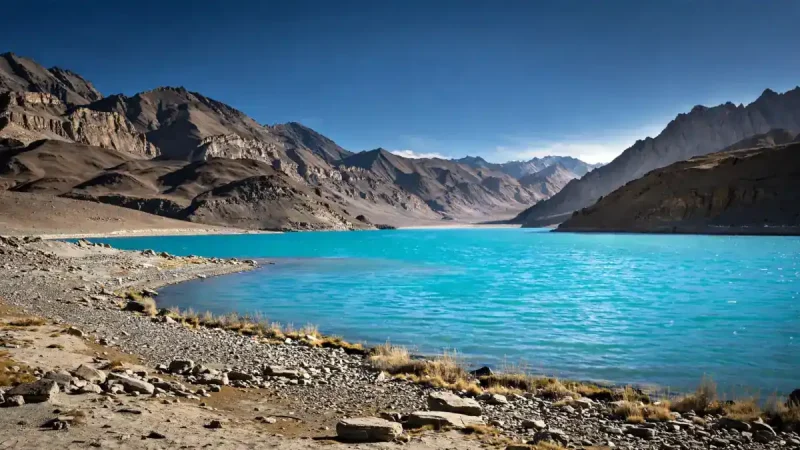

Tucked into India’s far north between the Karakoram and the Himalayas, Ladakh mixes raw adventure with deep Buddhist culture — so expect both sore legs and a full heart. The places to visit in Leh and Ladakh deliver on every front. Ancient monasteries perch on cliffs while turquoise lakes sit at 14,000 feet. And Leh town itself — part mountain outpost, part backpacker haven — is the perfect base camp.
This guide is built differently: instead of a flat list, I’ll help you decide where your days should go, which adventure fits you, and what nobody tells you about the altitude. Let’s get into it.
Leh Town vs. Beyond: Where Should Your Days Go?
Here’s the strategic question every Ladakh trip hinges on. Leh town deserves real time — but the legendary sights are scattered hours away. How do you split it?
The case for Leh town (2–3 days): you need these days anyway for acclimatization, so use them well. The 17th-century Leh Palace, for example, looms over the old town with panoramic views. Shanti Stupa, built by Japanese monks, glows gold at sunrise and sunset. The main bazaar is made for wandering — Tibetan handicrafts, apricot everything, cafes with mountain views. Meanwhile, the monasteries closest to town (Thiksey, Hemis, Spituk) make easy half-day trips.
The case for going beyond (3–4 days): this is where the postcards live. Pangong Tso’s impossible blue. Nubra Valley’s sand dunes and double-humped camels. The high passes that make your ears pop. These take full days and rough roads, but they’re the reason you came.
My verdict: don’t shortchange either. A rushed Ladakh trip that skips Leh’s culture for a Pangong selfie run misses the point entirely. The sweet spot is 6–7 days minimum — 2–3 in and around Leh, then the big excursions. Anything less, and you’re just collecting altitude headaches instead of memories.
The Big Three (and Why They Live Up to the Hype)
Some famous places disappoint. These three don’t — but each rewards a different kind of traveler.
Pangong Tso. A 134-kilometer ribbon of water at 14,000 feet, stretching across the border, shifting from azure to turquoise to gray as the light changes. Photos don’t prepare you — the scale is absurd. Go for sunrise if you can drag yourself out of the warm sleeping bag; the lake at dawn, empty and glassy, is the single most beautiful thing I’ve seen in the Himalayas. Stay overnight in a lakeside camp rather than day-tripping, because the evening light show deserves unhurried watching.
Nubra Valley via Khardung La. The journey is the destination here. Khardung La, one of the world’s highest motorable passes, is a rite of passage — prayer flags snapping in thin air, snow walls in early season, that slightly dizzy feeling that reminds you where you are. Then you descend into Nubra: a wide valley of sand dunes (yes, dunes, at 10,000 feet), double-humped Bactrian camels, and the giant Maitreya Buddha at Diskit watching over it all. Surreal doesn’t begin to cover it.
The monasteries. Thiksey’s twelve stories climb a hill like a miniature Potala, crowned by a two-story Maitreya Buddha. Hemis, the largest and wealthiest, hides ancient thangkas and hosts a famous summer festival. These aren’t museums — they’re living places of worship, so go quietly, dress respectfully, and sit through a morning prayer if you get the chance. The chanting, the horns, the butter lamps — it’ll stay with you.
Bonus Fourth: Tso Moriri
If Pangong is the celebrity, Tso Moriri is the insider’s pick — smaller, more remote, visited by far fewer travelers. The lake sits in a protected wetland reserve with black-necked cranes and wild asses (kiang) roaming nearby. It takes real effort to reach, which is exactly why those who make it call it the most peaceful place in Ladakh.
Choose Your Adventure
Ladakh isn’t one trip — it’s three, depending on who you are. Pick your path:
The trekker’s path. The Markha Valley trek is the classic: 6–8 days through high passes, remote villages, and landscapes that look CGI-rendered. You’ll sleep in homestays and parachute tents, cross rivers on wobbly bridges, and earn every view. This one’s for experienced hikers comfortable with altitude — it’s demanding, and that’s the appeal.
The rider’s path. The Manali–Leh highway is on every biker’s bucket list for good reason: 480 kilometers of the most dramatic road on Earth, crossing high passes with names like Baralacha La and Tanglang La. Rent a Royal Enfield in Manali or Leh, ride with a support vehicle if you’re smart, and take it slow — the road demands respect and rewards it with views that stop your heart. Even non-riders can do this route by car or shared taxi, and it’s still epic.
The culture seeker’s path. Skip the adrenaline and go deep: monastery-hop through the Indus Valley, time your visit for a festival (Hemis in summer is the big one), take a meditation session, eat thukpa and momos in family-run kitchens. This Ladakh moves slower and lingers longer. Honestly? It’s my favorite version.
Can’t decide? Mix them. Most great Ladakh trips blend a little of each — a monastery morning, a high-pass afternoon, a trek day if your legs allow. For more adventure inspiration generally, these camping scenarios for your next travel goal and America’s best adventure destinations prove the itch is universal.
The Food: Fuel for Thin Air
At altitude your body burns calories faster, so consider this your official permission to eat gloriously. Ladakhi food is hearty mountain fare built for exactly this climate.
Start with thukpa, for example — a steaming noodle soup loaded with vegetables that tastes like a hug at 12,000 feet. Momos (steamed dumplings) appear everywhere, and arguing about the best momo spot in Leh is a legitimate evening activity. Try butter tea (salty, warming, an acquired taste you’ll acquire fast) and chhang, the local barley beer, if you’re feeling festive.
Don’t leave without the apricots, though — Ladakhi apricots are famous across India, impossibly sweet from the intense mountain sun. Dried, fresh, as jam, as juice: yes to all of it. And the main bazaar’s bakeries, run by local families, turn out some of the best chocolate cake you’ll find anywhere in the Himalayas. Altitude does strange, wonderful things to dessert cravings.
The Altitude Talk (Read This Before You Go)
Okay, real talk — the part most guides bury at the bottom. Leh sits around 11,500 feet, and Pangong is higher still. At that height, the air holds roughly a third less oxygen than you’re used to. Your body needs time to catch up, and there’s no shortcut.
The golden rule: do nothing on day one. I’m serious. Land in Leh, check into your hotel, and rest. Walk slowly. Drink water constantly. Eat light. The travelers who get sick, though, are almost always the ones who land at noon and try to “make the most of the day.” The mountains aren’t going anywhere — but your itinerary will collapse if you don’t respect the adjustment period.
Give it 48 hours minimum before heading to higher places like Khardung La or Pangong. Most itineraries build this in naturally with Leh sightseeing days, so the schedule does the work for you. If you feel a headache, dizziness, or nausea that doesn’t ease with rest and water, descend and seek medical help — don’t tough it out. Altitude sickness is no joke, and it doesn’t care how fit you are. (Marathon runners get humbled here regularly.)
A few things that genuinely help: staying hydrated, avoiding alcohol for the first couple of days, eating carbs, and sleeping well. Some travelers consult their doctor about preventive medication before the trip — worth a conversation if you’re prone to altitude issues. This isn’t medical advice, just common sense from everyone who’s been: talk to your doctor, listen to your body, and build buffer days into your plan.
When to Go
May to September is the main season, when the Manali and Srinagar highways open and everything is accessible. June to August brings the best weather — warm days, clear skies — but also the biggest crowds at Pangong. September is the connoisseur’s pick: fewer people, golden light, still-accessible roads.
Winter (October to March) is a different beast entirely. Temperatures plunge far below freezing, many hotels close, and only the air route stays reliable — so winter here is strictly for the committed. But for the hardcore, winter Ladakh offers the famous Chadar trek (walking on the frozen Zanskar river) and empty, crystalline landscapes. Not for beginners — but unforgettable for the prepared.
If winter adventure is your thing generally, by the way, the contrast is fascinating: compare Ladakh’s brutal high-altitude cold with a gentler American winter trip like places to visit in Kansas in winter. Same season, completely different planets.
Know Before You Go
Permits: Indian travelers need Inner Line Permits for areas like Pangong, Nubra, and Tso Moriri; foreign nationals have a similar Protected Area Permit system. Your hotel or a Leh travel agent can arrange these in a day, so don’t stress — just don’t forget. Carry copies everywhere; there are checkpoints.
Connectivity: expect limited mobile signal outside Leh, and even in town it can be patchy. Postpaid connections work best; prepaid from outside the region often doesn’t. Tell your family you’ll be semi-offline. Better yet, enjoy it — since a forced digital detox at 14,000 feet is a feature, not a bug.
Packing: layers, always layers. Days can be warm in the sun and freezing in the shade — sometimes within the same hour. Bring sun protection seriously: the UV at altitude is brutal, so sunscreen, lip balm, and good sunglasses are non-negotiable. A warm jacket, sturdy shoes, and a basic medical kit round it out.
Culture: Ladakh is predominantly Buddhist with deep Tibetan roots, and the warmth of the people matches the harshness of the land — in the best way. Dress modestly at monasteries, ask before photographing people, and try the local food with genuine curiosity. A simple “Julley” (hello/thank you) opens doors everywhere.
If the Himalayas Hook You
Fair warning: Ladakh ruins you for normal mountains. Once you’ve watched Pangong change colors at dawn, regular lakes feel like a downgrade. The good news? The Himalayas have plenty more to offer.
The Indian Himalayas alone could fill a lifetime: Shimla, Kullu, and Manali for classic hill-station charm, North Sikkim for raw, crowd-free grandeur. Cross the border and Nepal’s best places take it to another level entirely — Everest country needs no introduction.
And if Ladakh awakens a broader thirst for places that humble you, Japan’s hidden villages offer a quieter kind of awe. For the master list that started many obsessions, 1001 Places to Visit Before You Die belongs on every traveler’s shelf.
Go. Just Go.
I’ll end with this: Ladakh is the rare destination that exceeds the hype. The photos are real. The monasteries are real. The feeling of standing at 18,000 feet with prayer flags cracking overhead while an entire valley spreads below you — that’s real too, and no article can give it to you.
So plan carefully, respect the altitude, pack the sunscreen, and go. The mountains are waiting, and they’ve been waiting a very long time.

