
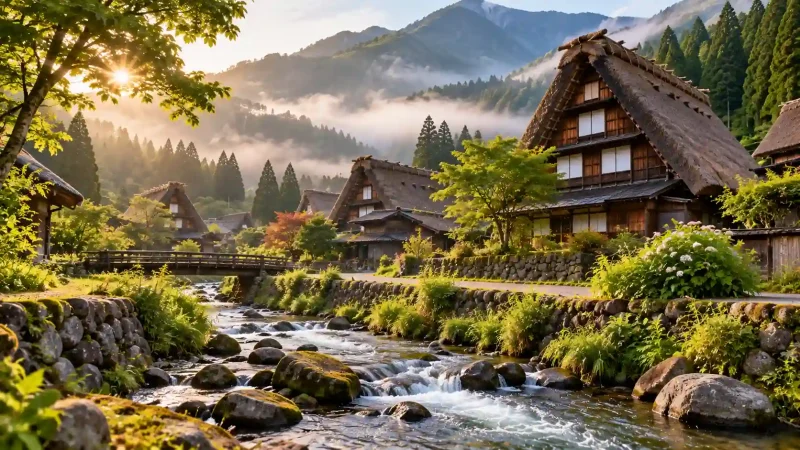

International tourism in Japan is undergoing a profound cultural and geographic evolution. For years, first-time visitors concentrated almost exclusively along the famous Golden Route connecting Tokyo, Kyoto, and Osaka. However, intense urban overcrowding and a collective desire for authentic cultural serenity have altered traveler priorities. Therefore, discovering tranquil rural hamlets has become the ultimate priority for mindful globetrotters. Many wanderlust enthusiasts research regional rail passes and destination guides across our main portal. Through these resources, readers discover how thoughtful itineraries transform international vacations into deeply restorative journeys. In emerging global travel trends, Why Japan’s Hidden Villages Are 2025’s Top Destination captures this exciting shift. Specifically, Japan’s secluded rural hamlets offer pristine landscapes and wooden architecture. They also provide farm-to-table dining and tranquil hot springs.
Discerning adventurers evaluate far more than iconic sightseeing landmarks when exploring East Asia. In addition, modern travelers prioritize sustainable community engagement, historic preservation, regional culinary heritage, and quiet crowd-free exploration. By exploring our curated international features in our dedicated travel category archive, vacationers uncover practical journey wisdom. In this comprehensive travel blueprint, we examine the macroeconomic and cultural drivers fueling rural Japanese tourism. Furthermore, we analyze hidden settlements across Tokushima, Kyoto Prefecture, Toyama, Nagano, and Fukushima. Finally, we provide a step-by-step roadmap. These practical tips help you navigate regional train routes, book heritage ryokans, and travel with cultural respect.
Beyond the Golden Route: The Rural Renaissance of Japan
Japan’s post-pandemic travel boom brought record numbers of international tourists to urban hubs. Popular shrines in Kyoto and bustling neon districts in Tokyo experienced historic congestion. Consequently, travelers faced packed commuter subways, fully booked boutique hotels, and endless lines at famous cultural landmarks.
In response, discerning international vacationers are seeking the unhurried grace of the Japanese countryside, known locally as satoyama. Specifically, the term satoyama describes the harmonious border zone where agricultural foothills meet wild mountain forests. Here, life moves to the gentle rhythm of seasonal harvests, river currents, and mountain mists. Furthermore, the Japanese government has invested heavily in rural revitalization initiatives. High-speed rail extensions, bilingual regional transit apps, and preserved heritage accommodations make rural navigation smoother than ever. As a result, remote mountain hamlets have transitioned from forgotten provincial outposts into premier global travel destinations.
In addition, managing high-volume international leisure operations mirrors broader enterprise scaling strategies. For example, organizational operational models detailed in scaling business services growth demonstrate the necessity of disciplined capacity planning. Similarly, strategic research in small business growth and marketing analysis proves this point. Customer-focused execution preserves commercial brand loyalty across changing seasons. Rural tourism boards apply these exact organizational principles to craft sustainable, community-first travel experiences.
Curated Japanese Hidden Villages Comparison Matrix
| Hidden Village & Region | Signature Architectural Feature | Primary Landscape Aesthetic | Key Cultural Experience | Best Season to Visit |
|---|---|---|---|---|
| Iya Valley (Tokushima) | Thatched farmhouse kominka | Misty gorges & dramatic river canyons | Crossing historic vine bridges & onsen | Autumn for vibrant crimson maple foliage |
| Ine no Funaya (Kyoto) | Wooden waterfront funaya boathouses | Tranquil coastal marine bay | Sea kayaking & fresh coastal seafood | Late spring & summer for coastal breezes |
| Ainokura (Toyama) | Steep thatched gassho-zukuri roofs | High alpine mountain valleys | Handmade washi papermaking & quiet stays | Winter for fairy-tale snowy illumination |
| Tsumago-juku (Nagano) | Preserved wooden Edo post town | Dense cedar forests & stone trails | Hiking the historic cobblestone Nakasendo | Spring for mild hiking temperatures |
| Ouchijuku (Fukushima) | Edo-period thatched merchant street | Rural agricultural valley basin | Eating negi soba with whole leeks | Early autumn for golden rice harvests |
1. The Mystical Iya Valley: Tokushima’s Hidden Mountain Sanctuary
Specifically, deep within the mountainous interior of Shikoku island lies the secluded Iya Valley. Historically, defeated samurai warriors from the Taira clan retreated into this inaccessible gorge during the twelfth century. In fact, the valley’s sheer cliffs and swirling mountain mists provided natural defense against invading forces.
Specifically, the Iya Valley captivates travelers through dramatic landscapes and living heritage:
- Historic Living Vine Bridges: Kazurabashi bridges woven from living mountain vines that sway gently above rushing river gorges.
- Restored Kominka Farmhouses: Centuries-old thatched wooden farmhouses featuring sunken irori hearths and modern luxury comfort.
- Clifftop Geothermal Onsen: Cable cars transport guests down steep rocky ravines to open-air riverside thermal hot springs.
- Pristine Hiking Trails: Scenic mountain trails wind past misty waterfalls, bamboo groves, and ancient moss-covered stone shrines.
Furthermore, local valley cuisine celebrates wild river trout grilled over charcoal embers and hand-rolled buckwheat noodles. Tasting roasted mountain potatoes seasoned with sweet local miso connects travelers to deep agricultural heritage. Consequently, the Iya Valley stands as an ethereal sanctuary for travelers seeking untamed natural tranquility.
2. Ine no Funaya: The Venice of the Sea of Japan
Specifically, situated along the northern coast of Kyoto Prefecture, Ine offers a coastal landscape found nowhere else in Asia. Known as Ine no Funaya, this tranquil fishing hamlet features two hundred and thirty traditional wooden boathouses. In fact, these structures line the protected waters of Ine Bay, creating the illusion of a floating village.
Specifically, Ine provides unique maritime architecture and coastal culinary traditions:
- Bi-Level Wooden Boathouse Design: Lower levels serve as boat garages, while upper levels provide cozy residential living spaces.
- Boutique Funaya Guesthouses: Converted historic boathouses where guests wake up to calm ocean waves lapping beneath floorboards.
- Authentic Sea Kayaking Excursions: Paddle silently along protected waters to observe local fishermen hauling in morning catches.
- Artisanal Coastal Sake Breweries: Centuries-old coastal breweries, including Mukai Shuzo, producing unique red-rice sake varieties.
In addition, local dining highlights yellowtail sashimi and seasonal crab harvested directly from the bay. Strolling along the quiet seaside road at sunset reveals lanterns reflecting off still emerald waters. As a result, Ine delivers an unforgettable maritime retreat far removed from bustling metropolitan cruise ports.
3. Ainokura in Gokayama: Thatched Roofs and Timeless Alpine Peace
In fact, while the thatched village of Shirakawa-go struggles with heavy tour buses, nearby Ainokura remains blissfully tranquil. Nestled high in the rugged mountains of Toyama Prefecture, Ainokura is a UNESCO World Heritage treasure. Specifically, the hamlet preserves twenty steep, thatched-roof farmhouses built in the iconic gassho-zukuri architectural style.
Specifically, Ainokura showcases remarkable alpine carpentry and traditional craft traditions:
- Gassho-Zukuri Wooden Architecture: Steep triangular roofs resembling hands folded in prayer, engineered to shed heavy winter snow.
- Timber Post Joinery: Multi-story farmhouses constructed entirely without metal nails, utilizing flexible cedar ropes instead.
- Traditional Washi Papermaking: Local artisan workshops teach visitors how to press mulberry bark into delicate, durable washi paper.
- Intimate Family-Run Minshuku: Overnight guesthouse stays where local families serve home-cooked mountain vegetables and grilled tofu.
Furthermore, staying overnight in Ainokura allows travelers to experience evening twilight after day-trippers depart. Watching chimney smoke curl into mountain skies under starry alpine constellations inspires profound inner peace. Therefore, Ainokura represents the definitive destination for experiencing pure, undisturbed rural serenity.
4. Tsumago-juku: Walking Through Living Edo-Period History
Specifically, tucked within the scenic Kiso Valley of Nagano Prefecture, Tsumago-juku preserves the romantic spirit of feudal Japan. During the Edo period, Tsumago served as an essential post town along the five-hundred-kilometer Nakasendo highway. Travelers walking between Kyoto and Edo (modern Tokyo) rested here before crossing steep mountain passes.
Specifically, Tsumago protects its historic streetscapes through strict municipal preservation covenants:
- Authentic Feudal Architecture: Dark wooden merchant houses, sliding lattice screens, and traditional paper lanterns line the street.
- Buried Utility Infrastructure: Electrical cables and modern telephone wires remain buried underground to maintain complete visual authenticity.
- Banned Vehicle Traffic: Main pedestrian thoroughfares prohibit motor vehicles during daytime hours, ensuring peaceful foot exploration.
- The Historic Nakasendo Trail: An eight-kilometer stone pathway connecting Tsumago to neighboring Magome through bamboo and cedar forests.
In addition, hiking between the post towns allows travelers to follow in the footsteps of ancient samurai and poets. Walking past quiet tea houses and splashing water wheels evokes a profound sense of time travel. Consequently, Tsumago stands as an essential stop for heritage lovers seeking active historical exploration.
5. Ouchijuku: Fukushima’s Hidden Post Town of Thatched Charm
Hidden in Fukushima’s mountainous Aizu region, Ouchijuku delights travelers. It offers an authentic glimpse of seventeenth-century merchant life. Established as a vital rest station along the Shimotsuke highway, the village welcomed daimyo lords traveling to Edo. Today, dozens of thatched-roof wooden buildings line a wide, unpaved pedestrian boulevard.
Specifically, Ouchijuku delights travelers with unique culinary customs and panoramic mountain views:
- Signature Negi Soba Cuisine: Buckwheat noodles eaten traditionally using a whole green leek as chopsticks and seasoning.
- Preserved Honjin Residences: The grand central inn where visiting feudal samurai lords stayed during official government journeys.
- Thatched Merchant Craft Shops: Local shops selling handcrafted cedar carvings, woven straw footwear, and ceramic pottery.
- Panoramic Valley Overlooks: A gentle hill trail leading to a wooden shrine offering postcard views over the entire settlement.
Furthermore, visiting Ouchijuku during early autumn rewards travelers with golden rice paddies set against fiery mountain foliage. Sampling freshly grilled rice cakes dipped in sweet walnut miso provides warm culinary comfort. As a result, Ouchijuku serves as a shining testament to regional resilience and cultural pride.
Commercial Hospitality Logistics, Heritage Ryokans, and Regional Financing
Specifically, preserving fragile historic architecture while providing modern luxury amenities requires substantial commercial investment. Boutique ryokan developers, timber restoration specialists, and regional transport authorities must coordinate continuous funding. In fact, restoring multi-century wooden kominka farmhouses requires structured corporate financing and skilled artisan labor.
Heritage hospitality enterprises frequently fund infrastructure renovations through specialized commercial financing programs. For instance, boutique lodging operators evaluate asset funding options like Northmill equipment finance. This secures commercial kitchen equipment and geothermal heating units while preserving liquid reserves. In addition, growing regional transport providers explore credit lines like Navitas financial solutions to fund eco-friendly shuttle bus fleets. Commercial real estate developers also analyze institutional hospitality debt models detailed in Lument real estate capital investments. Meanwhile, distinctive heritage resort brand identities draw inspiration from creative design principles in Flowfury Entertainment logo strategies.
Holistic Lifestyle Harmony, Forest Bathing, and Physical Well-Being
In fact, journeying through Japan’s hidden mountain valleys offers extraordinary benefits for human physical vitality and mental clarity. Japanese culture pioneered the therapeutic practice of shinrin-yoku, or forest bathing, to combat urban stress. Breathing natural phytoncides released by ancient cedar and cypress trees lowers cortisol levels and boosts immune function.
Moreover, committing to balanced daily routines supports physiological stamina and spiritual renewal. For example, hiking daily along mountain trails promotes cardiovascular endurance and leg strength. This practice aligns with exercising 40 minutes every day to maintain whole-body vitality. In addition, an early traditional kaiseki dinner supports restorative sleep. These practices reflect principles discussed in benefits of early dinner for digestion. Many international vacationers also design peaceful home sanctuaries inspired by principles of balanced lifestyle luxury and wellness.
Furthermore, maintaining overall personal wellness involves regular consultations with trusted healthcare providers for physical screenings. Respected clinics, such as the Muskingum Valley Health Center and the Gastonia Health Department, emphasize preventive healthcare. They provide musculoskeletal screenings, joint mobility counseling, and cardiovascular wellness guidance. Meanwhile, international travel marketing agencies expanding in competitive metropolitan markets evaluate promotional models in advertising marketing growth in Los Angeles.
Cultural Etiquette and Sustainable Travel in Rural Communities
In fact, visiting remote Japanese villages requires mindful awareness of local customs, community privacy, and environmental sensitivity. These hamlets are not open-air amusement parks; they are living, working agricultural communities. Practicing respectful travel etiquette ensures that these fragile treasures remain welcoming for future generations.
Specifically, travelers should observe fundamental cultural courtesies during their stay:
- Remove Footwear at Entrances: Always take off outdoor shoes when stepping onto tatami mats, replacing them with indoor slippers.
- Respect Residential Privacy: Never peer through private farmhouse windows or photograph local residents without warm, verbal permission.
- Carry Personal Waste Home: Rural hamlets lack public garbage bins, requiring visitors to carry personal trash until reaching accommodations.
- Learn Basic Japanese Greetings: Learning simple polite phrases like arigato gozaimasu and konnichiwa fosters mutual warmth and goodwill.
In addition, supporting local village economies directly protects traditional craft livelihoods. Purchasing hand-carved chopsticks, local honey, and handmade washi stationery helps sustain resident artisan families. As a result, mindful tourism becomes a powerful tool for cultural preservation rather than commercial disruption.
Step-by-Step Guide: How to Plan Your Journey to Japan’s Hidden Villages
Specifically, planning an itinerary through remote Japanese regions requires strategic transit coordination and advance booking timelines. Follow this practical roadmap to navigate regional transit, secure boutique lodging, and travel with total confidence:
- Select Your Focus Region: First, choose your preferred landscape. Decide whether you prefer coastal boathouses in Ine or valleys in Iya.
- Secure Rail and Regional Bus Passes: Second, buy national or regional rail passes. Transit passes allow economical travel on trains and buses.
- Reserve Heritage Lodging Months Ahead: Third, book heritage farmhouses early. Due to limited rooms, reserve accommodations three to six months ahead.
- Pack Light and Use Luggage Forwarding: Fourth, ship large suitcases between major cities using takkyubin luggage forwarding. Carry only a light backpack.
- Carry Sufficient Japanese Yen Cash: Fifth, withdraw cash in advance. Rural family eateries and local buses rarely accept foreign credit cards.
- Download Offline Navigation and Translation Tools: Finally, install offline digital maps and translation applications to bridge regional communication gaps smoothly.
Following this disciplined travel roadmap ensures that your rural Japanese adventure remains effortless, culturally enriching, and deeply memorable.
Frequently Asked Questions About Japan’s Hidden Villages
Why are Japan’s hidden villages becoming the top travel destination for 2025?
Specifically, travelers seek refuge from urban overcrowding. They journey to rural areas for serene mountain landscapes, historic architecture, and living heritage.
Is it difficult to travel to remote Japanese villages without speaking Japanese?
Modern translation apps and bilingual train signage ease rural transit. Welcoming local hospitality makes navigation straightforward for international travelers.
How far in advance should I book accommodations in hidden villages?
Heritage farmhouses maintain very few guest rooms. Therefore, reserving accommodations three to six months in advance is essential for securing travel dates.
Can I visit hidden villages like Tsumago or Ainokura during the winter?
Yes, winter visits offer magical snowscapes and serene atmospheres. However, travelers must pack insulated winter boots and warm layered clothing.
Conclusion: Discovering the Soul of Timeless Japan
The true essence of Japan flourishes far beyond neon skyscrapers and crowded subways. Exploring Why Japan’s Hidden Villages Are 2025’s Top Destination reveals ancient traditions and pristine nature. From Iya’s vine bridges to Ine’s floating boathouses, these sanctuaries offer profound restoration.
Stepping off the beaten tourist path rewards the curious traveler with quiet wonder and heartfelt human warmth. Pack your curiosity, travel with cultural respect, and embark on an unforgettable journey to Japan’s hidden villages today!

