

The ocean charges nothing here. History charges nothing at the right spots either, while the town’s Swahili soul costs exactly zero shillings. You just need a plan, some sunscreen, and comfortable sandals.
Places to visit in Malindi for free cover beaches, ruins viewpoints, markets, and forest edges. This budget playbook walks you through one full zero-spend day first. After that, you get a deeper bench of free things to do in Malindi for day two.
One ground rule before we start: free means no entry fee. You might still tip a guide, buy drinking water, or pay for a matatu ride. Those small costs are honest, but the sights themselves stay gloriously free.
Your Zero-Shilling Day, Hour by Hour
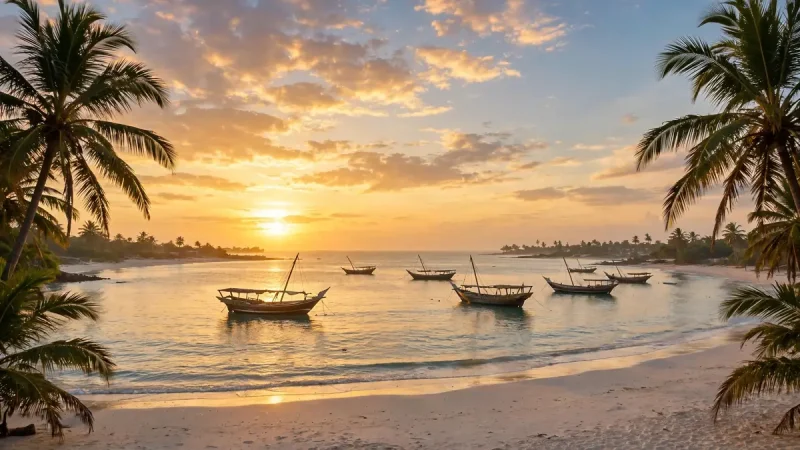
Start at sunrise on Silversands Beach, because the light there rewrites the Indian Ocean daily. Fishermen haul nets while dhows drift past, and the sand feels cool underfoot. Walk north slowly, since the shoreline keeps revealing quieter coves.
By mid-morning, stroll into town for the Vasco da Gama Pillar viewpoint. The pillar itself crowns a rocky headland, and the surrounding coast view costs nothing to admire. Guides may gather nearby, but you can politely explore the public areas solo.
Late morning belongs to the old town lanes, where carved doors and coral-stone walls tell centuries of trade stories. Wander without a route, because getting pleasantly lost is the entire point. Pop into small shops to browse, although nobody pressures you to buy.
Lunch can stay free-ish if you packed fruit from a morning market stop. Mangoes, bananas, and roasted maize from street vendors cost very little anyway. Eat under a palm, watch the tide, and then rest through the fiercest heat.
What Beaches Can You Enjoy Without Paying?
Malindi’s beaches form the backbone of any budget visit, since sand and sea never send invoices. Silversands suits sunrise walkers, while Marine Park Beach areas offer lively local energy nearby. Note carefully, though: the protected marine park itself usually charges an entry fee.
Public access points matter here, because some stretches sit in front of resorts. Stick to known public entrances, and ask locals kindly when unsure. Kenyan beaches below the high-water mark are public, but resort loungers and pools stay private.
Watamu lies a short ride south, and its public beaches reward the small transport cost. Turtle Bay’s wide sands feel softer, while the village keeps a relaxed, barefoot rhythm. If free coastal days are your travel style, compare notes with places to visit in Miami, Florida for free later.
Swim with awareness, since currents strengthen near river mouths and reef channels. Ask fishermen where locals swim today, because conditions shift with tides and seasons. Shade also disappears at midday, so carry a hat and refill water often.
Beach day checklist for zero stress
- Reef-safe sunscreen, since the equatorial sun bites fast
- A refillable bottle, water kiosks charge pennies to top up
- A kikoi or light wrap, it works as towel and shade
- Small notes for tips, although smiles work surprisingly often
- A dry pouch, because splashes find phones eventually
History That Costs Nothing to Stand Beside
Malindi traded with Arabia, Persia, and China long before Europeans arrived, so its history layers run deep. The pillar marks Vasco da Gama’s 1498 visit, while older mosques and tombs whisper earlier chapters. Even the famous Gede Ruins sit nearby, although that site typically charges entry.
Save Gede for a paid splurge day if ruins fascinate you. Meanwhile, the town itself offers free history on every old street. Look for carved doorframes, coral rag walls, and baobabs that predate the hotels.
The Malindi Museum area and the Portuguese Chapel surroundings add context, but verify locally what is open and free. Small sites change arrangements often, so a quick question at your guesthouse saves disappointment. Staff usually share proud, detailed answers, because heritage here is personal.
History lovers building a bigger East Africa list should also browse coastal heritage elsewhere. Our guide to places to visit in St. Mary, Jamaica shows how another small coastal parish layers history and beaches beautifully. Different ocean, same lesson: small towns often out-story big capitals.
The Forest Edge and the River Mouth
Arabuko Sokoke Forest borders the region, and its main trails usually require paid entry and guides. Still, the forest edge roads and surrounding villages deliver free birdlife and butterflies aplenty. Early mornings sing loudest, so walk then if wildlife tops your list.
Birders should scan roadside wires and garden trees carefully, since hornbills and turacos appear without ceremony. Local birding clubs sometimes welcome guests on walks, although you should ask ahead politely. A shared pair of binoculars often circulates, because generosity runs strong here.
The Sabaki River mouth, north of town, offers another free spectacle at low tide. Flamingos sometimes gather on the mudflats, while fishermen mend nets along the banks. Getting there costs a small ride fare, but the estuary itself remains open and free.
Solo travelers often rate this coastline highly for easy social travel. If that is you, our notes on places to visit in Philippines for solo travelers continue the budget-friendly, people-first theme. Both destinations reward travelers who slow down and chat.
Markets, Mosques, and Everyday Malindi
The central market explodes with color daily, and browsing costs nothing at all. Piles of spices, kangas, and tropical fruit create a photographer’s playground, although you should ask before photographing people. Most vendors beam proudly, especially when you admire their displays first.
Friday energy peaks near the main mosques, while evenings bring out food stalls and families promenading. Join the flow respectfully, dress modestly near religious sites, and then soak up the atmosphere. Street snacks like mahamri and mbaazi appear at dawn, warm and cheap.
Falconry and snake parks advertise around town, but those charge entry, so skip them on a strict zero day. Your free itinerary already overflows, honestly, and the town rewards unhurried wandering most. Save paid attractions for one chosen splurge, because contrast makes both days better.
Culture-first travelers will find Malindi’s mix familiar if they love heritage ports. The layered trading history echoes in places to visit in Mumbai for cultural heritage, another port city where free wandering teaches plenty. Similarly, places to visit in Udupi and Mangalore pair temples, beaches, and markets along India’s coast.
How Do You Keep a Free Day Actually Free?
Plan your walking loop before breakfast, since random wandering invites paid detours. Cluster sights by neighborhood, walk the beach between them, and then carry your snacks along. A simple loop protects both your budget and your energy.
Learn three phrases in Swahili early: jambo, asante, and hakuna matata is touristy but harmless. Better still, ask about pole pole, the beloved slow-down philosophy locals live by. Greetings open doors that money cannot, because respect registers instantly everywhere.
Beach boys will offer tours, boat rides, and guiding services persistently. Smile, decline clearly, and keep walking if you are not interested. Most mean well and hustle hard, so firm kindness beats irritation every time.
Water safety deserves one more mention, since free fun should stay fun. Hydrate before you feel thirsty, reapply sunscreen after swims, and then rest during peak heat. Clinics exist in town, but prevention keeps your playbook intact.
Sunset Rituals and Evening Strolls
Evenings in Malindi belong to everyone, because the whole town drifts toward the water. Families claim the seafront benches, while teenagers play football on cooling sand. Join them, since people-watching here counts as prime entertainment.
The pier area and lighthouse surroundings glow at golden hour, although access rules vary locally. Photographers should arrive early, set up calmly, and then let the sky perform. Dhows returning home silhouette perfectly, so keep your camera ready but your feet unhurried.
After dark, the town center hums with food smoke and music from small cafes. You can window-shop the evening completely free, or spend a few coins on grilled snacks. Either way, the promenade delivers, because Malindi socializes outdoors by default.
Safety stays simple at night: stick to lit, busy streets and walk with awareness. Most visitors find evenings relaxed, especially near the central seafront and market areas. If you head farther out, arrange a trusted ride back instead of wandering dark lanes.
A Second Free Day: Mix and Match Your Favorites
Day two works best as a remix, since you now know your favorite corners. Return to the beach at a different tide, because the shoreline transforms completely between visits. Low tide exposes rock pools, while high tide invites proper swimming.
Rock pooling delights kids and curious adults equally, although you should tread gently and return creatures home. Tiny crabs, starfish, and sea urchins appear in the shallows, so watch your step near spines. A local kid will likely appoint themselves your guide, and their knowledge usually stuns.
Alternatively, dedicate the morning to a long old-town photography walk. Carved doors repeat nowhere, since each doorway carries a family’s distinct pattern and pride. Shoot early for soft light, then compare favorites over coffee in a local cafe.
Finish with a picnic under the casuarina trees near the beach, using market fruit and fresh bread. Invite conversation if neighbors picnic nearby, because shared snacks spark the best travel stories. This slow ending cements Malindi in memory far better than any paid excursion could.
When Is the Best Time for a Free Malindi Trip?
Dry seasons generally bring calmer seas and clearer skies, although Malindi stays warm year-round. Cooler months suit long walks best, while hotter months demand earlier starts and longer shade breaks. Rainy spells green the landscape beautifully, but beach plans need flexibility then.
Festival periods add free street life, since public celebrations spill across town joyfully. Ask locally what is happening during your dates, because calendars shift and word travels fastest offline. Guesthouse noticeboards often hide gold, so read them over breakfast.
If winter sun is your main mission, compare Malindi with other warm places to visit this time of year before booking flights. And for a city-break contrast after beach days, places to visit in Kuala Lumpur City show how far a small budget stretches in Malaysia too.
Ultimately, Malindi proves that the best travel currency is attention. Watch the dhows, learn the greetings, and walk the old lanes slowly. You will leave richer than visitors who paid for everything, simply because you noticed more.
Try this on your first morning: walk the beach, greet three people, and find one carved door. That tiny mission costs nothing, yet it rewires how you see the whole town. Suddenly Malindi stops being a stopover and becomes a place you understand. And honestly, that feeling is the finest souvenir any traveler can carry home.

