
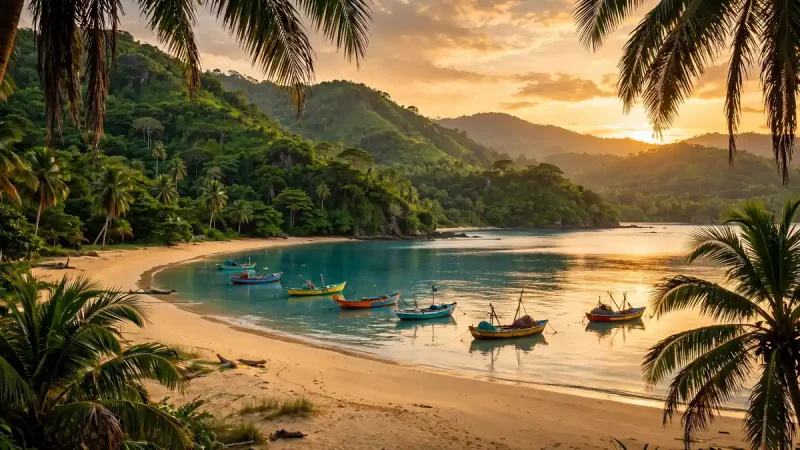

You will not find mega-resorts lining these shores. Instead, you get sleepy bays, plantation history, literary legends, and villages where strangers still greet you properly. Honestly, that slower rhythm is the whole point. Come here when you want Jamaica itself, not just a beach with a flag on it.
This guide skips the glossy brochure version entirely. Locals in Port Maria and Oracabessa pointed me toward the corners they actually love, and those tips shaped everything below. Some spots charge a modest entry fee, while others cost nothing but your time. Either way, bring curiosity and a healthy appetite.
Why Do Locals Rate St. Mary So Highly?
Ask a Jamaican where they would escape for a quiet weekend, and St. Mary comes up surprisingly often. The parish grows bananas, coconuts, and pimento on deep green hillsides, so the landscape feels lush rather than dry. Rivers cut through that greenery constantly, which means waterfalls and swimming holes hide around many bends.
History runs deep here too. Spanish settlers arrived early, the British fought Spain at Rio Nuevo, and plantation estates later shaped the coastline. Noel Coward and Ian Fleming both chose this coast for their homes, which tells you plenty about its pull. Writers with every option available still picked St. Mary.
Getting here is straightforward as well. Buses and route taxis connect Port Maria with Kingston and Ocho Rios throughout the day, usually at low local fares. Driving the coast road takes longer than the map suggests, however, because every viewpoint tempts you to stop. Allow extra time, in other words, and enjoy the detours.
If this quieter Caribbean style appeals to you, compare it with our guide to places to visit in Puerto Rico with family for another island take. Beach lovers should also browse the top ten places to visit in Belize afterwards, since the reef culture feels similar.
Port Maria: Start Where the Parish Breathes
Wander the capital like a local
Port Maria is small, busy, and wonderfully unpolished. Fishermen unload at the waterfront early, vendors set up near the clock tower, and the whole town smells faintly of salt and thyme. Start your morning here around eight, when the light is soft and the market buzz is building.
Pagee Beach sits just east of town, and locals treat it as their front yard. Families picnic under the almond trees on Sundays, while fishermen mend nets nearby on weekdays. The water stays calm most mornings, so an early swim feels easy and safe. Bring cash for grilled fish if a vendor is cooking, because that simple lunch beats most restaurants.
History fans should look for the old courthouse and the parish church, which anchor the town’s civic heart. Neither demands a long visit, yet both explain how plantation wealth once flowed through this port. Afterwards, grab a patty from a bakery window and people-watch for ten minutes. Small towns reward that kind of pause, honestly.
Firefly: the view Coward refused to leave
High above Port Maria sits Firefly, the hilltop home Noel Coward built and loved until his death. The house remains simple, almost stubbornly so, because Coward cared about the panorama more than luxury. From his lawn, the coastline curves away in both directions, and the blue shifts shade every few minutes.
Guides usually share stories about Coward’s famous guests, from royalty to Hollywood stars, during short house tours. Schedules can change, though, so check locally before you climb the hill. The drive itself winds through farmland and small yards, giving you a lovely slice of parish life en route.
Oracabessa: Bond Country With a Fishing Village Soul
Oracabessa might be my favourite corner of the parish. The name comes from the Spanish “oro en cabeza,” meaning golden head, and sunsets here explain that nickname quickly. By day it is a working fishing village, and by evening the bay turns copper and calm.
James Bond Beach put this village on tourist maps, since Ian Fleming lived nearby at GoldenEye and wrote his Bond novels in Jamaica. The beach itself is a grassy peninsula with swimming areas, food stalls, and space to spread out. Locals still outnumber visitors on most days, which keeps the vibe grounded. Try the escovitch fish here if the kitchen is frying, because the peppery vinegar sauce is superb.
Fleming’s GoldenEye estate is now a private resort, so you cannot simply wander in. Still, knowing the novels began a few minutes from your beach towel adds a certain thrill. Literature nerds, meanwhile, can pair this trip with cultural places to visit in the Dominican Republic for a wider Caribbean history fix.
The Oracabessa fish sanctuary deserves a mention too. Local fishermen helped create this protected zone, and the reef has rebounded noticeably as a result. Snorkelling conditions vary with the weather, of course, so ask at the beach about visibility before renting gear. Conservation here is community-led, which makes supporting it feel genuinely worthwhile.
Castleton Gardens and the Green Interior
Drive inland from Annotto Bay and the parish changes character completely. The road follows the Wag Water River into cool, fern-heavy hills, and eventually you reach Castleton Botanical Gardens. Established in the 1860s, Castleton ranks among the oldest botanical gardens in the Caribbean. Palms, orchids, and exotic trees from across the old empire still thrive here.
Families treat the riverbank as a picnic ground, especially on Sundays. Children splash in the shallows while grandparents claim the shadiest benches, and the whole scene feels timeless. Pack your own lunch, since food options nearby stay limited. A river swim after lunch, meanwhile, resets even the stickiest tropical afternoon.
Birders should arrive early, when the gardens are quietest. Jamaica hosts many endemic species, and the mature trees here attract a good variety. Bring binoculars if you own them, because the canopy sits high and birds move fast. Even casual visitors, however, usually spot something colourful within minutes.
Want more inspiration for lush, off-radar corners? Our roundup of warm places to visit this time of year pairs nicely with this inland detour. Similarly, travellers collecting coastline days can check free places to visit in Miami, Florida for a budget-friendly city contrast later.
Robin’s Bay, Kwame Falls, and the Far East End
The road east of Port Maria grows quieter with every mile. Robin’s Bay feels like the end of the world in the best way: one small village, a curve of dark sand, and serious peace. Strawberry Fields Together, a rustic local spot nearby, has hosted campers and music lovers for decades. Facilities stay simple, so arrive with realistic expectations and an open mind.
Kwame Falls hides in the hills above the bay, reached by a guided hike through farmland and forest. The falls drop into a clear pool that feels made for swimming, and the walk itself passes breadfruit trees and grazing land. Hire a local guide in the village, both for directions and because guiding income matters here. Wear shoes that grip, since the trail gets muddy after rain.
This eastern stretch suits travellers who measure luxury in silence. Phone signal fades in places, roosters handle the morning announcements, and dinner is whatever the sea provided. If that sounds like heaven, then linger an extra night. Rushing Robin’s Bay rather misses its entire point.
Plantation History at Brimmer Hall
Brimmer Hall, a working estate near Port Maria, opens a window onto Jamaica’s plantation past and present. Tours typically cover the great house and the farm, where bananas, plantains, and coconuts still grow commercially. Guides explain the estate’s history honestly, including the enslaved labour that built its wealth. That honesty matters, because pretty scenery alone would tell a dishonest story.
The estate shop usually sells local produce and preserves, depending on the season. Buy the banana bread if it is available, seriously. Afterwards, the drive back toward the coast passes through some of the prettiest farmland in the parish. Keep your camera ready, since the hills fold into each other beautifully in late light.
History like this rewards context, so consider pairing your visit with reading about sugar’s role across the Caribbean beforehand. You will notice details, from field layouts to great-house sightlines, that casual visitors miss. Knowledge, in this case, genuinely deepens the view.
Where Should You Eat in St. Mary?
Eat where the fishing boats land, whenever you can. Beach shacks near Oracabessa and Port Maria fry the day’s catch with festival or bammy, and the results rarely disappoint. Jerk seasoning in this parish leans aromatic rather than purely fiery, though cooks adjust heat on request. Always ask what is freshest, then order exactly that.
Breakfast deserves ambition too. Ackee and saltfish, Jamaica’s national dish, appears at small cook shops across the parish, usually with boiled banana or roast breadfruit. Pair it with fresh coconut water from a roadside vendor for the full effect. Your energy for garden walks and waterfall hikes will thank you.
Vegetarians manage well here, happily. Ital cooking, rooted in Rastafari tradition, produces rich vegetable stews, bean dishes, and fresh juices at dedicated spots. Ask around locally for the current favourite, since small kitchens open and close quietly. Meanwhile, rum drinkers can sample a modest pour at a local bar, where dominoes games double as evening entertainment.
A Simple Two-Day St. Mary Plan
Day one belongs to the coast. Start with a market wander and swim in Port Maria, then climb to Firefly late morning for the view. Lunch on fish at James Bond Beach, snorkel if conditions allow, and finish with sunset in Oracabessa. That single arc covers history, swimming, and the parish’s best golden hour.
Day two turns inland and east. Drive to Castleton Gardens early, picnic by the river, and then continue toward Robin’s Bay if your energy holds. Alternatively, swap the far east for Brimmer Hall and a slower afternoon. Either route works, so choose based on your mood rather than a checklist. Finally, leave one slot unplanned, because St. Mary excels at surprises.
Before you finalise flights, browse free places to visit in Malindi if a second beach trip tempts you this year. Dreamers building a lifetime list, meanwhile, should see our take on the 1001 Places to Visit Before You Die book for globe-spanning ideas.
Practical Tips Before You Go
- Cash helps: Small vendors, guides, and route taxis often prefer Jamaican dollars, so carry small notes daily.
- Check locally: Opening patterns for smaller attractions change often, therefore ask your guesthouse host each morning.
- Respect the sea: Conditions vary by beach and season, so heed local advice about currents before swimming anywhere unfamiliar.
- Pack light layers: Inland gardens and evening breezes feel cooler than the midday coast, surprisingly.
- Hire local guides: Waterfall trails and village walks improve with local knowledge, and your fee supports parish families directly.
St. Mary will not shout for your attention, and that is precisely its charm. You come for a famous beach and a writer’s view, then you stay for market mornings and river picnics. The parish works on you slowly, honestly. By departure day, most visitors are already plotting a return, usually with fewer plans and more appetite.

