

Surreal Places to Visit in the US: Real, or Just Good Lighting?
Be honest with me for a second here. You have seen those photos online, right? Rainbow hills, glowing canyons, and lakes in impossible colours. Your first thought probably involved Photoshop, filters, or both. Honestly, I assumed the same thing for years too. In fact, most surreal places to visit in the US need no editing. Therefore, this guide busts the myths one by one. You get the real science, plus honest visiting tips.
Myth one: Antelope Canyon only glows for photographers?
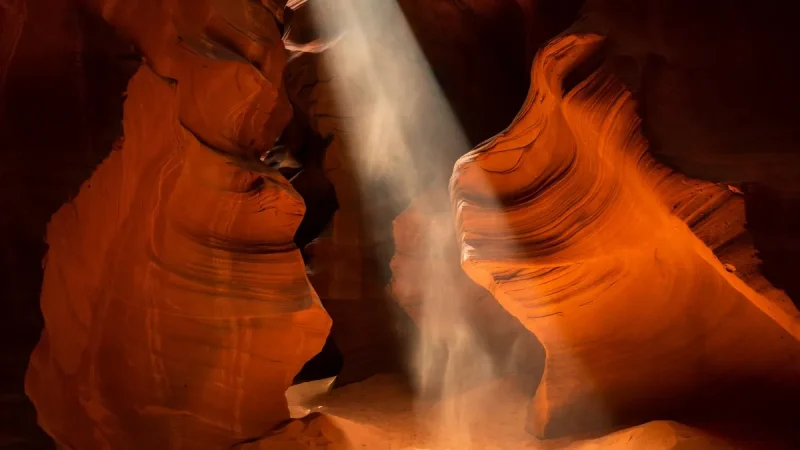
Those famous light beams look staged, yet they are real. Sunlight drops through narrow slots in the sandstone above. Meanwhile, dust in the air catches the beam beautifully. For example, midday sun creates the strongest shafts in summer. Similarly, the rock walls shift between orange, pink, and purple. Therefore, your eyes genuinely see what cameras capture there. No filter invents that glow inside the canyon.
However, you cannot simply wander in alone anytime. Navajo guides lead all visits, and tours protect the canyon. Consequently, book ahead through official tour operators before travelling. Photography rules also change, so check current guidance first. In fact, floods shaped this canyon, and safety matters here. Rangers and guides cancel tours when storms threaten nearby. Therefore, respect every closure, however blue your sky looks. Afterwards, explore wider Southwest routes via scenic places to visit in the US for balance.
Myth two: White Sands is actually snow in disguise?
Photos of White Sands fool almost every first-time viewer. Bright dunes stretch to the horizon like fresh snowfall. In reality, gypsum crystals form those brilliant white waves. Meanwhile, the dunes shift and reshape with desert winds. For example, sledding down them feels familiar yet strangely different. The sand stays cooler than regular beach sand underfoot. Therefore, barefoot walks feel pleasant even on warm days. Try this at sunset, when shadows turn the dunes lavender.
Nearby, desert travellers often continue toward top places to visit in Phoenix AZ for contrast. Similarly, the places to visit in the Rocky Mountain region add alpine drama. Consequently, one Southwest loop mixes white dunes with red rock. You also gain mountain towns for cooler overnight stops. In fact, that variety defines a great surreal road trip. Pack sunscreen anyway, because white gypsum reflects light strongly.
Myth three: Yellowstone hot springs get their colours from minerals alone?
Grand Prismatic Spring looks painted, yet microbes create its rings. Heat-loving bacteria thrive at different temperatures around the spring. Meanwhile, each temperature band grows a different coloured community. For example, the centre stays too hot for most life. Therefore, that centre shows the pure blue of hot water. Orange and green rings then circle outward from it. Honestly, nature out-paints every artist at this one spring.
Boardwalks protect both visitors and the fragile crust here. Stay on them always, because the ground hides scalding water. Similarly, the Midway Geyser Basin viewpoint reveals the full pattern. A short hillside trail shows the spring from above. Consequently, combine both angles for the complete surreal effect. Afterwards, geysers nearby add sound and motion to colour. Old Faithful performs regularly, though rangers never guarantee exact times. Check the park predictions on official channels before visiting.
Myth four: the Badlands look harsh, so nothing lives there?
South Dakota Badlands appear empty in most photographs online. Striped buttes and sharp ridges dominate every wide shot. In reality, prairie grasslands surround those dramatic eroded formations. Meanwhile, bison, prairie dogs, and bighorn sheep thrive there. For example, the Sage Creek area rewards patient wildlife watchers. Similarly, fossil beds reveal an ancient, wetter world below. Therefore, this landscape tells two stories at the same time. One story shows erosion, and the other shows resilience.
Cold months transform the Badlands into something even stranger. Our notes on places to visit in South Dakota during winter cover that season. Snow dusts the stripes, and crowds almost vanish completely. Meanwhile, low winter light deepens every colour band dramatically. Consequently, photographers quietly rate winter among the best seasons. Still, wind chills bite hard on exposed ridge walks. Pack serious layers, check road conditions, and carry water. Desert rules apply here, even when snow covers ground.
Myth five: Great Salt Lake sunsets need heavy editing?
Visitors often doubt those pink and orange lake photos. However, the Great Salt Lake earns its colours honestly. Shallow water, salt flats, and mineral content shift the hues. Meanwhile, algae and brine shrimp tint sections reddish pink. For example, the Spiral Jetty area shows striking colour contrasts. Similarly, Antelope Island reflects huge skies across still shallows. Therefore, sunset visits reward you without any editing tricks. Your phone camera will struggle to exaggerate this place.
Bugs, however, add one very real and unglamorous detail. Brine flies gather seasonally along parts of the shoreline. Consequently, pick your picnic spot with a little local advice. State park pages post current conditions and helpful warnings. In fact, a short drive between viewpoints changes everything there. Some shores feel serene, while others feel otherworldly and stark. Either way, bring water, because salt air dries you fast. Afterwards, rinse the salt dust from shoes and cameras.
Myth six: Thor’s Well drains the whole Pacific Ocean?
Oregon coast photos make Thor’s Well look truly bottomless. Waves surge into a rocky hole and vanish dramatically downward. In reality, a collapsed sea cave creates the illusion. Meanwhile, the tide controls how violent the show becomes. For example, high tide plus rough surf maximises the drama. Similarly, low tide reveals a far calmer rock formation. Therefore, timing shapes your experience more than luck here. Check tide charts from official sources before you go.
Safety matters more than any photograph at this spot. Wet rocks turn slick, and sneaker waves surprise distracted visitors. Consequently, watch from stable ground and keep children close always. Rangers and local signs repeat these warnings for good reason. In fact, the wider Cape Perpetua area deserves equal time. Forest trails climb to sweeping Pacific viewpoints above the surf. Afterwards, continue your coast journey with our best place to visit in Oregon guide for context. Surreal plus scenic makes a very satisfying travel pairing.
Myth seven: Watkins Glen belongs in a fantasy film set?
New York hides one of America’s most fairytale gorges. Watkins Glen threads stone bridges over a winding, emerald creek. Meanwhile, waterfalls spill past layered rock walls and mosses. For example, Rainbow Falls lets visitors walk behind falling water. Similarly, the gorge trail passes tunnel after carved tunnel. Therefore, the whole walk feels designed, yet water built it. Our guide to places to visit in Watkins Glen NY plans the visit. Honestly, this place converts sceptics within ten minutes flat.
Trails here open seasonally, and winter closes the gorge path. Consequently, verify opening status on the state park site first. Summer weekends draw crowds onto the narrow stone steps. Alternatively, arrive early and enjoy echoes instead of queues. In fact, wet stone demands sensible footwear on every visit. Leave the smooth soles at your hotel for safety. Afterwards, the Finger Lakes region adds wineries and lakeside towns. Surreal, it turns out, also grows in green places.
Myth eight: Bryce Canyon hoodoos must be artificial sculptures?
Bryce Canyon looks like a giant sculptor abandoned a project. Rows of orange spires stand in a natural amphitheatre below. In reality, frost and rain carve those hoodoos patiently. Meanwhile, iron-rich rock supplies the orange, pink, and white bands. For example, the Navajo Loop threads directly among towering walls. Similarly, sunrise points reveal new colours every few minutes. Therefore, dawn visits beat midday here by a wide margin. Your photos will look edited, yet they will stay honest.
Elevation adds one surprise that desert photos never show you. Bryce sits high, so nights stay cold in most seasons. Consequently, pack a warm layer even for summer sunrises there. Snow sometimes crowns the hoodoos, doubling the surreal contrast instantly. In fact, many visitors rank snowy Bryce above summer Bryce. Still, icy trails demand caution and proper footwear always. Check trail conditions at the visitor centre before descending. Afterwards, nearby scenic byways extend the weirdness for miles.
Myth nine: the Painted Desert colours fade in real life?
Sceptics often blame satellite photos for the Painted Desert hype. Surely real hills cannot wear red, lavender, and grey stripes? Actually, mineral layers create exactly those soft, banded colours there. Meanwhile, changing light redraws the palette throughout the day. For example, late afternoon deepens the reds most dramatically. Similarly, overcast skies mute everything into pastel watercolour tones. Therefore, no single photograph tells the whole Painted Desert story. You need changing light, time, and your own two eyes.
Petrified Forest National Park protects much of this landscape nearby. Ancient logs turned to stone scatter across the badlands there. Consequently, one visit combines colourful hills with rainbow fossils together. Rangers explain the geology clearly at stops along the road. In fact, kids often grasp deep time here surprisingly fast. Holding no rocks matters, because collecting is prohibited in parks. Take photographs instead, and leave every shard for others. Afterwards, Route 66 towns nearby add diners and nostalgia.
Which surreal place should you visit first?
Start with the landscape type that already fascinates you most. Desert dreamers should begin with White Sands or Antelope Canyon. Water lovers, meanwhile, usually fall hardest for Thor’s Well. Similarly, colour chasers should pick Grand Prismatic or Bryce first. Consequently, your first surreal trip matches your natural curiosity best. Try this simple test before you book anything at all. Which photo made you stop scrolling and stare longest? That reaction usually points toward your perfect first destination.
How can you visit surreal places responsibly?
Firstly, fragile crusts, dunes, and pools need your restraint. Footprints and touching damage features that took ages forming. Secondly, follow every posted rule, however minor it seems. Rules at these sites protect both you and geology. Meanwhile, pack out everything, including tiny bits of litter. For example, one bottle cap can sit for decades there. Therefore, leave each viewpoint cleaner than you found it. Future visitors deserve the same unedited wonder you enjoyed.
Finally, manage your expectations with weather and season honestly. Light, water, and tides direct every surreal show daily. A cloudy Antelope morning still impresses, just more softly. Similarly, calm seas quieten Thor’s Well without ruining it. Consequently, flexible travellers enjoy these places far more deeply. Readers building bigger routes should browse best places to visit in the US for adventure next. Also, coastal fans love places to visit in San Pedro CA for scenic views afterwards. Now tell me: which myth did you believe longest?
One final thought deserves space before you start booking. Surreal places reward slow looking more than fast sightseeing. Therefore, sit down at one viewpoint for ten quiet minutes. Watch the colours shift, and let the strangeness sink in properly.

