
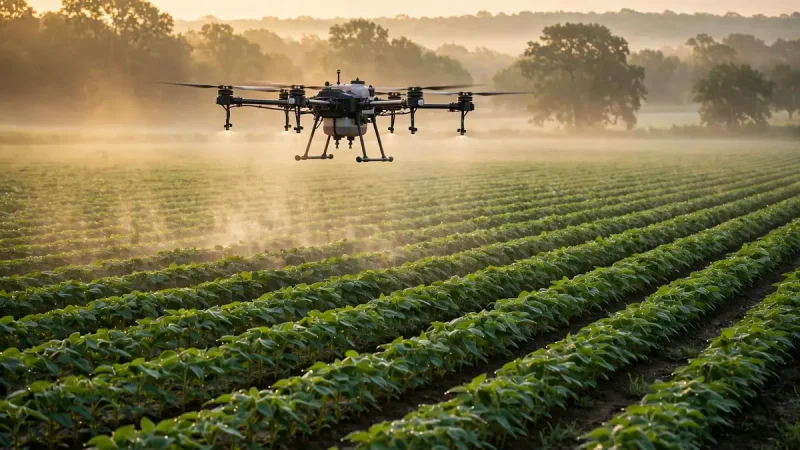

Agriculture Drone Sprayer: Revolutionizing Modern Farming
An agriculture drone sprayer is changing how farms protect their crops. Instead of rolling heavy tractors through every row, growers now send a smart aircraft gliding above the canopy. Consequently, spraying becomes faster, more precise, and far less tiring.
In this guide, you will learn exactly how spray drones work. In addition, you will see their real benefits, honest costs, and the regulations behind them. Finally, you will get a practical checklist for choosing the right model. Ready for takeoff? Let us begin.
What Is an Agriculture Drone Sprayer?
An agriculture drone sprayer is an unmanned aerial vehicle built for one job: applying liquids to crops with precision. It carries a tank, a pump, and spray nozzles under a multi-rotor frame. Furthermore, the operator controls it through a remote controller or a field-planning app.
Most professional models use GPS plus RTK positioning for centimeter-level accuracy. In addition, terrain-following radar keeps the drone at a steady height above uneven ground. As a result, every plant receives a uniform dose, even across rolling fields.
These machines apply pesticides, herbicides, fungicides, and liquid fertilizers. Moreover, many models can spread seeds, granular fertilizer, and even biological pest-control agents. For small-scale growers, basic seasonal routines still matter too; see our autumn garden preparation tips for garden-sized planning.
How Does a Spray Drone Actually Work?
The process starts long before takeoff. First, the operator maps the field using satellite imagery or a quick survey flight. Then, mission software converts that map into a flight plan with spray lines, altitudes, and rates.
During the flight, the drone follows its programmed route autonomously. Meanwhile, sensors adjust the spray rate in real time. For example, the system can slow the flow over thin crop areas and boost it where growth is dense.
Most spray drones fly just two to five meters above the crop. Consequently, the droplets reach their target quickly instead of drifting away. At the same time, RTK guidance corrects the flight path within centimeters.
Between flights, the operator swaps batteries and refills the tank. Furthermore, a good ground crew keeps two or three batteries charging at all times. In this way, spraying continues almost without interruption.
After the mission, the drone stores a coverage map. Therefore, the farmer can verify that no strips were missed and no zones were double-sprayed. That record also helps with planning the next treatment.
Benefit 1: Precision Agriculture That Cuts Chemical Use
Precision is the headline advantage of an agriculture drone sprayer. GPS-guided flight paths eliminate the overlaps and missed strips that plague manual spraying. Consequently, multiple field reports show chemical savings of up to 30% compared with traditional methods.
Variable rate application takes precision one step further. Cameras and sensors detect stressed or pest-hit zones and adjust the dosage on the fly. For instance, the drone can treat only the infested corner of a field. In contrast, a tractor would likely dose the entire block.
Targeted pesticide application also protects beneficial insects. Because healthy zones stay untouched, pollinators and predators survive to fight pests naturally. In addition, this approach fits neatly into integrated pest management programs.
Lower chemical use means lower input bills. Moreover, it reduces runoff into streams and groundwater. Precision agriculture is therefore profitable and environmentally responsible at the same time. As demand for plant-based foods keeps rising, efficient crop production matters more than ever; read our take on why plant-based foods are growing.
Benefit 2: Speed, Labor Savings, and Hard Terrain
Timing decides everything in crop protection. A pest outbreak or fungal infection needs action within hours, not days. Fortunately, a spray drone deploys in minutes. By comparison, a tractor needs fueling, mixing, and dry field conditions.
Professional models cover large areas quickly. Depending on the tank size and battery setup, one unit can treat dozens of acres per day. Furthermore, wet or muddy ground never stops a drone. Instead, it simply flies above the problem.
Difficult terrain is another sweet spot. Steep hillsides, terraced plots, and waterlogged rice paddies challenge ground machines. Meanwhile, drones glide over these obstacles with ease. As a result, farms gain treatment access to nearly every corner of their land.
Labor needs shrink dramatically. A single trained operator can manage the whole operation from the field edge. Consequently, the crew avoids long hours of walking with heavy tanks. Operators also escape direct exposure to spray chemicals, which is a major health win.
Benefit 3: Healthier Soil and Less Spray Drift
Heavy machinery compacts soil, and compacted soil suffocates roots. Spray drones never touch the ground, so soil structure stays intact. In addition, better soil structure improves water infiltration and root growth.
Crop damage drops sharply as well. Tall crops like corn and sugarcane suffer when boom sprayers push through the closed canopy. In contrast, a drone sprays gently from above. Therefore, plants stay undamaged and keep growing at full speed.
Spray drift is a real concern, yet research shows careful drone setups can reduce it. Low flight altitude puts droplets on target faster. Moreover, correct nozzle choice and calm-weather spraying minimize off-target movement. For best results, operators spray in early morning or evening when wind is low.
Drones can also apply organic inputs such as bio-stimulants and biological control agents. For example, university researchers have used spray drones to release beneficial insects that suppress aphids. This opens new doors for organic and low-residue farming systems.
Smart Scouting: When the Sprayer Becomes a Scout
Modern spray drones do far more than spray. Many carry multispectral cameras that map crop health on every pass. Consequently, each treatment flight doubles as a scouting mission.
These sensors detect moisture stress, nutrient gaps, and early disease signs before they are visible from the ground. As a result, farmers can treat problems days earlier than before. Furthermore, season-over-season maps reveal patterns that guide next year’s planting and input plans.
The scouting data feeds directly into farm management software. Therefore, input decisions become precise, timely, and profitable. Smart farming turns guesswork into strategy, one flight at a time.
The Honest Costs Behind the Hype
Professional agriculture drone sprayers are serious investments. Prices generally start in the low thousands and climb well into five figures for high-capacity models. In addition, buyers should budget for spare batteries, a fast charger, and insurance.
Training is another real cost. Operators need both drone piloting skills and pesticide safety knowledge. However, many farms recover the investment within two to three seasons. Savings come from lower chemical use, reduced labor, and fewer passes over the field.
Financing options are growing. Some regions offer subsidies or grants for precision agriculture equipment. Furthermore, leasing programs let farms try the technology with lower upfront spending.
An increasingly popular option is hiring a drone spraying service per acre. Instead of buying, the farmer pays only for the treatments used. This pay-as-you-go model brings the technology within reach of small and medium farms. Thinking of offering such work yourself? Our guide to starting a successful service business covers the fundamentals that apply to any service venture.
Regulations: The License Question
Can you legally spray crops with a drone? In most countries, yes, but the answer always comes with conditions. Commercial operators typically need a drone pilot license. In the United States, that means FAA Part 107 certification plus any state pesticide applicator licenses.
The European Union uses its own drone categories with specific rules for spraying operations. Meanwhile, other countries may restrict chemical application from the air entirely. Therefore, always verify local rules before purchasing equipment.
Insurance is strongly recommended. A spraying mishap can damage a neighbor’s crop or contaminate a sensitive area. Moreover, many jurisdictions require liability coverage for commercial aerial application. Check the exact requirements in your region early.
Record-keeping matters too. Regulators often require logs of what was sprayed, where, and when. Fortunately, modern spray drones generate these reports automatically. As a result, compliance becomes easier instead of harder.
Drawbacks Every Buyer Should Weigh
No technology is perfect, and honesty matters. Battery life is the main limitation. Most spray drones fly 15 to 30 minutes per loaded flight. Consequently, operators need multiple batteries and a fast-charging setup for continuous work.
Tank capacity is smaller than a tractor’s. A typical spray drone carries tens of liters, not hundreds. Therefore, large flat farms may still prefer tractors for bulk jobs, using drones for spot treatments instead.
Wind and weather restrict operations. Strong gusts increase drift and can ground the drone. In contrast, calm early-morning conditions give the best results. Operators must learn to read weather, not just fly.
Finally, the learning curve is real. Successful spraying demands skill in flight planning, calibration, and chemical handling. Nevertheless, most operators master the basics within a few weeks of consistent practice.
How to Choose the Right Agriculture Drone Sprayer
Start with your farm, not the brochure. List your crops, field sizes, and typical spray targets. Then match the drone’s tank capacity and flight time to those real needs.
Prioritize RTK positioning for accuracy. In addition, look for obstacle radar, terrain-following sensors, and reliable spray-pressure control. These features separate professional tools from expensive toys.
Check dealer support before you buy. A great drone with no local parts or repair service becomes a liability. Moreover, ask about warranty terms and software updates.
Scale adoption gradually. Begin with one field and measure chemical savings and coverage quality. Afterwards, expand to more acres once the workflow is proven. Smart technology adoption wins when it is deliberate; see how other industries manage the same challenge in our article on scaling industrial growth with technology. For stories of technology making a real difference, explore our piece on unlocking the power of technology and our guide to scaling business services.
Frequently Asked Questions About Agriculture Drone Sprayers
What is an agriculture drone sprayer?
It is a UAV equipped with a tank, pump, and nozzles that applies pesticides, herbicides, or fertilizers to crops with GPS-guided precision.
How much chemical can drone spraying save?
Field reports commonly show savings of up to 30%. Targeted application avoids wasting product on healthy or empty areas.
Do I need a license to fly a spray drone?
In most countries, yes. Commercial use typically requires a drone pilot license plus any applicable pesticide applicator certification.
Can spray drones replace tractors completely?
Not always. Drones excel at spot treatments, difficult terrain, and fast response. Large flat farms may still use tractors for bulk applications.
Are spray drones safe for the environment?
They are, when used correctly. Precision dosing and low-altitude flight reduce drift and runoff, which protects soil and water.
Conclusion: The Future of Farming Is Airborne
The agriculture drone sprayer has moved from novelty to necessity. It sprays faster, wastes less, and treats crops, soil, and operators better.
If you manage serious acreage, the question is no longer whether to adopt drone spraying, but when. Start with your farm’s real needs, follow the regulations, and scale with confidence. The sky, quite literally, is the limit.
The evolution of agricultural technology, exemplified by the advent of drone sprayers, is not just limited to large-scale farming operations; it also reflects a broader trend towards innovative gardening practices that can be adopted by anyone. As urban spaces adapt to modern challenges, the concept of cultivating one’s own food has gained traction, inviting both seasoned horticulturists and newcomers to explore the joys of gardening at home. With the right guidance and resources, anyone can embark on a rewarding journey in their own backyards or even on balconies. For those wondering about the essentials of cultivating a thriving green space, a valuable resource is available that outlines the steps and considerations to how to start a kitchen garden for beginners. This approach not only empowers individuals to grow their own herbs and vegetables but also complements the advancements in agricultural practices, showcasing the interconnectedness of modern farming and personal food cultivation.
As we explore the transformative impact of agriculture drone sprayers on modern farming practices, it’s essential to recognize that these innovations serve as a catalyst for broader advancements in sustainable agriculture. By enhancing precision in crop management, drone technology not only increases efficiency but also aligns with ecological principles that prioritize soil health and biodiversity. This synergy is particularly vital for those interested in exploring regenerative practices that aim to restore ecosystems while ensuring food security. For a deeper understanding of how aspiring farmers can integrate these principles into their operations, resources on regenerative agriculture for beginners provide invaluable insights into effective methods and strategies that can complement the use of drone technology in crop management.

