
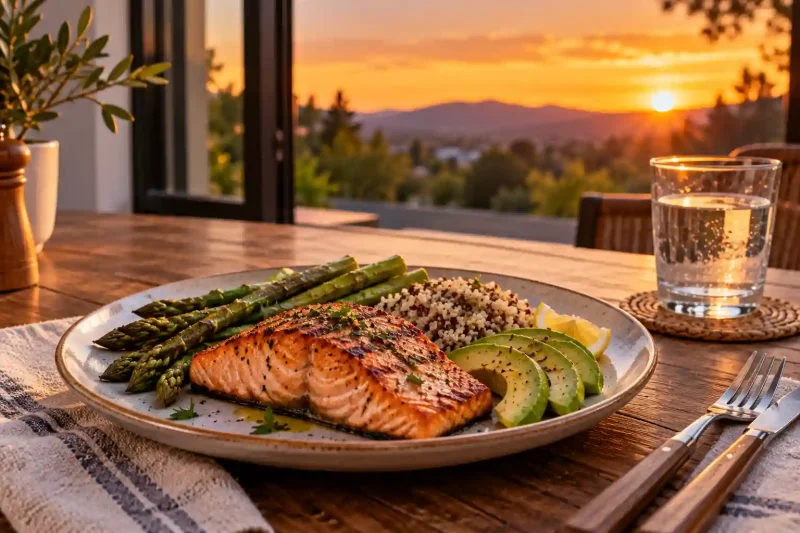

Modern daily life often pushes evening meals later into the night. Hectic work schedules, long highway commutes, and evening entertainment frequently delay family dinner times until late hours. However, eating heavy meals close to bedtime places immense physiological stress on your digestive system. Therefore, shifting your meal timing earlier in the evening represents a transformative lifestyle habit. Many health-conscious individuals research circadian biology and metabolic nutrition across our main portal. Through these resources, readers discover how daily habits influence longevity and cellular regeneration. Exploring the many benefits of early dinner: how it helps lose weight, sleep well and be happy provides an accessible foundation for personal vitality. Specifically, completing your final meal before sunset harmonizes digestive enzymes, stabilizes blood sugar levels, and promotes restorative neurological rest.
Achieving sustained vitality involves far more than merely restricting total calories. In addition, health enthusiasts value circadian alignment, balanced hormone secretion, improved gut microbiome diversity, and emotional wellness. By exploring our evidence-based nutrition guides in our dedicated health and wellness category archive, readers discover practical strategies for everyday living. In this comprehensive guide, we examine the physiological mechanisms governing circadian digestion. Furthermore, we explore how early dining accelerates metabolic fat burning, enhances restorative sleep cycles, and elevates daytime emotional mood. Finally, we provide a structured step-by-step roadmap to help you establish a sustainable early dinner routine for your household.
The Circadian Science of Digestion and Meal Timing
Human biological systems operate according to an ancient, evolutionary 24-hour cycle known as the circadian rhythm. Regulated by the suprachiasmatic nucleus in the brain, this internal biological clock synchronizes cellular activities with natural daylight. In the morning and early afternoon, your body is primed for energetic activity and nutrient digestion. Specifically, insulin sensitivity is highest during daytime hours, allowing cells to clear glucose efficiently from the bloodstream.
However, as darkness falls, biological priorities shift dramatically toward cellular repair and resting maintenance. Specifically, the brain begins secreting melatonin, which signals the pancreas to decrease insulin production. Consequently, consuming large meals late in the evening forces your body to process nutrients when digestive efficiency is at its biological lowest. In fact, late-night dining causes prolonged blood glucose spikes and elevated triglyceride levels. In contrast, eating dinner between 5:30 PM and 7:00 PM aligns nutrient intake with natural metabolic peaks. As a result, your digestive tract processes food smoothly before your internal organs enter their nightly resting cycle.
In addition, maintaining operational consistency in personal wellness habits mirrors broader corporate development strategies. For example, organizational scaling models detailed in scaling business services growth demonstrate the necessity of disciplined execution. Similarly, strategic market research in small business growth and marketing analysis shows that sustained daily efforts build lasting commercial success. Applying these exact organizational principles to your dietary routine creates compounding physical vitality across decades.
| Dinner Timing Dimension | Late Dinner (After 8:30 PM) | Early Dinner (5:30 PM – 7:00 PM) | Primary Physiological Impact |
|---|---|---|---|
| Metabolic Fat Oxidation | Suppressed due to elevated insulin | Significantly elevated overnight | Stimulates cellular fat burning during sleep |
| Gastrointestinal Digestion | Active gastric acid during recumbency | Fully completed before lying flat | Eliminates acid reflux and esophageal irritation |
| Sleep Architecture | Fragmented REM & deep sleep cycles | Prolonged restorative slow-wave sleep | Maximizes human growth hormone release |
| Autophagy & Cellular Cleanup | Delayed by ongoing nutrient digestion | Activated after a 12-hour fast window | Recycles damaged intracellular components |
| Morning Hunger & Mood | Sluggishness, nausea, or brain fog | Natural hunger, mental clarity, optimism | Regulates morning ghrelin and cortisol rhythms |
Benefit 1: How Early Dinner Accelerates Weight Loss and Fat Burning
Weight management is determined not only by what you consume, but also by when you consume it. Clinical trials in chronobiology confirm that eating meals earlier in the day produces superior weight loss outcomes. Specifically, when you eat an early dinner, you naturally extend your overnight fasting window without feeling deprived.
Specifically, an early dinner supports metabolic weight loss through several biological pathways:
- Increased Overnight Lipid Oxidation: For instance, finishing dinner by 6:30 PM allows circulating insulin levels to drop before bedtime. Low insulin levels signal adipocytes to release stored fatty acids for nighttime energy expenditure.
- Extended Overnight Fasting Window: Dining early creates an effortless 12- to 14-hour intermittent fast before breakfast. This natural fasting interval encourages the body to switch from burning dietary sugars to burning stubborn body fat.
- Suppression of Late-Night Cravings: Eating a wholesome, balanced dinner early eliminates the compulsive urge to snack on ultra-processed treats while watching evening television.
- Enhanced Mitochondrial Efficiency: Giving digestive organs an extended nightly rest improves cellular mitochondrial function, supporting a healthy metabolic rate throughout the following day.
Furthermore, research demonstrates that individuals who dine late experience lower resting energy expenditure compared to early eaters. In fact, the human body burns significantly fewer calories metabolizing identical food when consumed late at night. Therefore, simply shifting your dinner forward by two hours optimizes caloric burn without requiring drastic dietary restrictions.
Benefit 2: How Early Dinner Enhances Sleep Quality and Restorative Rest
Quality sleep serves as the fundamental pillar of physical recovery, cognitive clarity, and emotional balance. However, millions of adults suffer from restless tossing, nocturnal awakenings, and morning exhaustion. In many instances, the hidden culprit behind poor sleep quality is late-night dining.
Specifically, eating dinner early transforms nocturnal sleep architecture in profound ways:
- Prevention of Gastroesophageal Reflux: For example, lying down with a full stomach causes stomach acid and partially digested food to seep back into the esophagus. Dining three to four hours before bed ensures that the stomach empties completely before you lie flat.
- Core Body Temperature Reduction: For the brain to initiate deep slow-wave sleep, your core body temperature must drop by approximately one to two degrees Fahrenheit. Active digestion generates significant thermogenic heat, keeping your core temperature elevated and delaying sleep onset.
- Enhanced Melatonin Secretion: High blood sugar spikes caused by late dinners interfere with nocturnal melatonin production. An early dinner allows blood glucose to stabilize, facilitating natural melatonin release at twilight.
- Uninterrupted Heart Rate Dip: During deep restorative sleep, your resting heart rate drops to its lowest daily levels. When the body is forced to digest food, the cardiovascular system remains elevated, depriving the heart muscle of true rest.
Consequently, sleeping on an empty stomach allows your central nervous system to enter uninterrupted stages of deep slow-wave and REM sleep. As a result, you wake up feeling genuinely rested, alert, and revitalized every morning.
Benefit 3: How Early Dinner Elevates Mood, Emotional Balance, and Happiness
The relationship between digestive health and mental well-being is mediated by the complex gut-brain axis. In fact, your gastrointestinal tract produces over ninety percent of the body’s serotonin, the primary neurotransmitter responsible for feelings of happiness, calm, and emotional stability. Specifically, when digestive organs are chronically overworked by late meals, neurotransmitter synthesis is compromised.
Furthermore, irregular meal timing disrupts cortisol and adrenal rhythms. Spikes in blood sugar followed by nighttime hypoglycemic crashes trigger middle-of-the-night adrenaline releases. These hormonal surges cause sudden anxiety, racing thoughts, and morning emotional irritability. In contrast, an early dinner supports steady blood glucose stability throughout the night.
In addition, enjoying an early evening meal encourages mindful social interaction. Families who gather around the dinner table at 6:00 PM share meaningful conversations without rushing to complete bedtime routines. Savoring wholesome food in a relaxed environment fosters deep emotional connection and reduces daily psychological stress. Therefore, an early dinner nourishes not only your physical body, but also your emotional vitality and family happiness.
Digestive Health, Cellular Autophagy, and Longevity
Beyond weight management and sleep, early dining triggers vital cellular repair mechanisms that promote long-term longevity. In biological terms, human cells cannot effectively repair themselves while simultaneously processing incoming food nutrients. Constant digestion keeps growth pathways like mTOR active, inhibiting cellular renewal.
Specifically, completing dinner early initiates the profound process of autophagy. Specifically, during autophagy, cells identify, break down, and recycle dysfunctional proteins, damaged mitochondria, and cellular debris. This natural cellular cleanup acts as an internal anti-aging mechanism, protecting tissues against degenerative decline. Furthermore, giving the digestive tract an extended overnight rest allows the intestinal lining to repair micro-tears and maintain tight cellular junctions. Consequently, early dining reduces systemic inflammation, strengthens the gut mucosal barrier, and reinforces long-term immune resilience.
Commercial Agriculture, Kitchen Equipment, and Food Business Financing
Behind the availability of wholesome, nutrient-dense whole foods lies an expansive agricultural and commercial food preparation infrastructure. Specifically, organic farms, local distribution cooperatives, and clean commercial kitchen facilities require substantial capital investment. Furthermore, modern meal delivery businesses and healthy dining concepts invest continuously in commercial steam ovens, automated packaging lines, and energy-efficient cold storage.
Commercial culinary and agriculture enterprises frequently manage facility capital investments through specialized corporate financing options. For instance, organic food producers evaluate asset funding programs like Northmill equipment finance to secure modern farming and processing machinery while preserving liquid reserves. In addition, growing wellness dining chains explore commercial credit lines such as Navitas financial solutions to fund kitchen expansions. Commercial real estate developers also analyze institutional food retail and logistics debt models detailed in Lument real estate capital investments. Meanwhile, memorable culinary brand identities draw inspiration from creative design principles in Flowfury Entertainment logo strategies.
Holistic Lifestyle Synergy: Exercise, Mindfulness, and Preventative Medicine
Practicing early dinners functions at its highest potential when integrated with regular physical exercise and mindful living habits. Specifically, wholesome nutrition provides the essential cellular fuel, but physical movement signals your muscular system to absorb nutrients and burn fat stores efficiently.
Moreover, committing to daily physical exercise promotes cardiovascular vitality and insulin sensitivity, aligning with healthy routines like exercising 40 minutes every day. In addition, many individuals design peaceful domestic dining spaces inspired by the nature-focused lifestyle principles of balanced lifestyle luxury and wellness. Savoring early dinners in an unhurried, peaceful setting prepares your nervous system for restful sleep. As a result, combining early dining with daily exercise produces profound vitality that safeguards long-term health.
Furthermore, maintaining overall personal wellness involves regular consultations with trusted healthcare providers for comprehensive blood biomarker panels. Respected regional healthcare networks, including community clinics like the Muskingum Valley Health Center and public health agencies like the Gastonia Health Department, emphasize preventive clinical nutrition, metabolic screenings, and lifestyle education. Meanwhile, wellness enterprises expanding their promotional reach in competitive metropolitan health markets can evaluate multi-channel marketing models through advertising marketing growth in Los Angeles.
Common Challenges and Practical Solutions for Early Dining
Transitioning to an early dinner routine can feel challenging when navigating modern professional schedules and social obligations. In fact, many individuals encounter logistical hurdles that make dining before 7:00 PM seem difficult. However, with thoughtful planning and strategic boundaries, these obstacles can be overcome effortlessly.
Specifically, addressing common early dining hurdles involves practical adjustments:
- Late Workplace Schedules: If work obligations prevent you from cooking at home early, prepare batch meals over the weekend. Reheating a wholesome pre-cooked stew or baked salmon takes less than ten minutes upon arriving home.
- Evening Social Dinners: When dining out with friends or business associates late, focus on light, easily digestible options like steamed vegetables, clear broth soups, or mixed leafy salads. Avoid heavy fried foods and refined carbohydrates late at night.
- Late-Night Hunger Pangs: During your initial transition weeks, you may experience habitual hunger around 9:30 PM. Drinking a warm cup of caffeine-free chamomile or peppermint tea calms the stomach without activating insulin secretion.
- Family Schedule Misalignment: Involve family members in the conversation, explaining how early dinners improve sleep and morning school energy. Coordinating schedules around a shared 6:00 PM dinner creates a cherished family anchor.
By implementing these practical solutions, you make early dining a seamless, sustainable habit rather than a rigid restriction.
What to Eat for an Optimal Early Dinner
Eating early is powerful, but the composition of your evening meal also matters significantly. Specifically, to support restorative sleep and sustained overnight fat burning, your dinner plate should emphasize clean proteins, healthy fats, and fiber-rich vegetables.
Specifically, an optimal evening plate follows a balanced framework:
- High-Quality Lean Proteins: For instance, wild-caught fish, pastured chicken breast, organic tofu, or lentils supply essential amino acids like tryptophan. Tryptophan acts as the direct biochemical precursor to serotonin and melatonin, promoting tranquil sleep.
- Non-Starchy Fibrous Vegetables: Roasted asparagus, steamed broccoli, sauteed zucchini, and fresh mixed greens provide magnesium and potassium, which relax muscle tissues and soothe the nervous system.
- Slow-Burning Complex Carbohydrates: Modest portions of baked sweet potatoes, steamed butternut squash, or wild quinoa help transport tryptophan across the blood-brain barrier without causing massive blood sugar spikes.
- Beneficial Anti-Inflammatory Lipids: Extra virgin olive oil, sliced avocado, or toasted pumpkin seeds provide steady satiety without feeling heavy in the stomach.
In addition, avoid stimulating foods and beverages during evening hours. Spicy peppers, aged cheeses, dark chocolate, caffeinated beverages, and alcohol interfere with sleep cycles and irritate the stomach lining. Consequently, a light, nutrient-dense dinner prepares your body for deep, restorative sleep.
Step-by-Step Guide: How to Transition to an Early Dinner Routine
Transforming your evening schedule is most successful when approached as a gradual, progressive progression. Follow this structured roadmap to transition toward an early dinner habit sustainably:
- Shift Your Dinner Forward Gradually: First, shift your dinner time forward by fifteen to twenty minutes every three days rather than attempting a sudden two-hour change.
- Prepare Evening Meals in Advance: Second, prep vegetables and marinate proteins in the morning so dinner can be assembled quickly after work.
- Establish a Digital Kitchen Curfew: Third, clear the dining table, wash dinner dishes, and turn off kitchen lights by 7:30 PM to signal the end of eating for the day.
- Create an Evening Wind-Down Ritual: Fourth, replace late-night snacking with relaxing activities like gentle reading, foam rolling, or listening to calm music.
- Sip Soothing Herbal Infusions: Fifth, drink warm herbal teas like chamomile or lemon balm if you experience psychological cravings during the evening.
- Observe Your Morning Energy and Mood: Finally, track your sleep quality, morning alertness, and waistline changes in a journal to visually reinforce the benefits of your new routine.
Following this disciplined roadmap ensures that your transition feels natural, rewarding, and sustainable for life.
Frequently Asked Questions About the Benefits of Early Dinner
What is considered the ideal time to eat dinner for optimal health?
Specifically, the ideal time to eat dinner is between 5:30 PM and 7:00 PM, allowing at least three full hours for digestion before going to sleep.
How does eating an early dinner help with weight loss?
Specifically, eating early extends your overnight fasting window and lowers insulin levels before bedtime, allowing the body to mobilize and burn stored body fat for nighttime energy.
Can eating dinner early cure acid reflux and heartburn?
Yes, finishing meals three to four hours before lying flat allows the stomach to empty, preventing stomach acid from escaping upward into the esophagus.
What should I do if I get hungry late at night after an early dinner?
For example, drink a glass of warm water or unsweetened chamomile tea. In most cases, late-night hunger is merely a habitual craving rather than true biological necessity.
Conclusion: Transform Your Health Starting Tonight
Achieving radiant wellness does not require complicated fitness regimens or extreme dietary restrictions. Often, the most powerful health transformations arise from simple, foundational habits that honor human biology. Embracing the many benefits of early dinner: how it helps lose weight, sleep well and be happy unlocks a lifetime of physical and emotional vitality.
By finishing your evening meal before sunset, you give your digestive tract a well-deserved rest, stimulate natural fat burning, enjoy deeply restorative sleep, and wake up with elevated happiness and focus. Set your dining schedule forward tonight, gather with your loved ones around the dinner table, and experience the life-changing power of early dining for yourself!

