
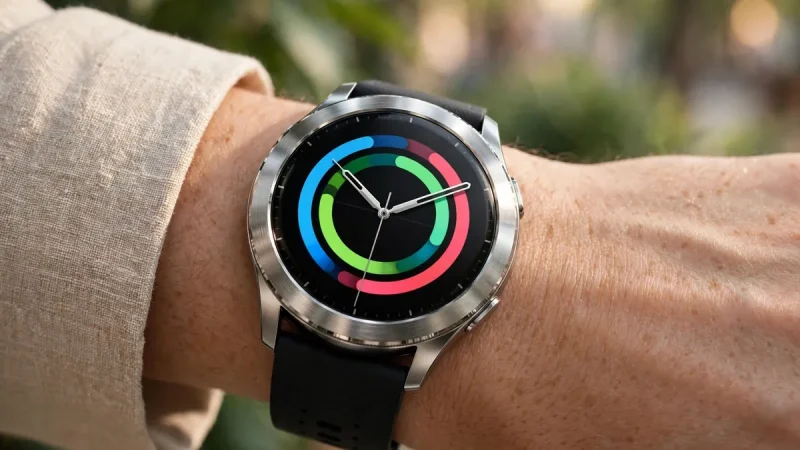

Open any shopping app, search “smartwatch,” and brace yourself: forty-seven options, all claiming to be the best, all with photos that look identical. It is exhausting. Somewhere in that chaos sits the Pebble Cosmos Vault — a budget smartwatch from Indian brand Pebble that generated real buzz at launch with its AMOLED display, metal build, Bluetooth calling, and fitness tracking, all at an accessible price. But here is the question nobody asks: should you buy it? This guide will not drown you in spec sheets. Instead, it will teach you how to think like a smart buyer — so whatever you choose, you choose well.
What Is the Pebble Cosmos Vault, Really?
Let us clear the fog first. Pebble is an Indian wearables brand that built its name on affordable smartwatches with premium-looking designs. The Cosmos Vault follows that playbook: a round-dial watch with an AMOLED display, metallic craftsmanship, Bluetooth calling support, and the usual suite of health tracking — heart rate, sleep, activity, the works. It launched in India positioned squarely at value-conscious buyers who want flagship looks without the flagship bill.
That positioning matters, because the budget smartwatch segment in India is a battlefield. Dozens of brands fight over the same buyers with similar feature lists. So the real question is never “does it have feature X” — they all do. The real question is whether the experience holds up: Is the display readable in sunlight? Does the battery survive your actual week? Does the companion app frustrate you daily? Those answers decide everything, and no spec sheet gives them to you.
Think of this article as your buying companion. We will use the Cosmos Vault as our running example, but the framework works for any budget smartwatch. By the end, you will know exactly what to check, what to ignore, and whether this watch deserves your wrist.
Stop Comparing Spec Sheets — Ask These 5 Questions First
Before you look at a single product page, answer these honestly. Your answers matter more than any feature list:
1. What will you actually use it for? Fitness tracking? Notifications so you check your phone less? Calls on the go? Style? Rank your top two. Most buyers overestimate how many features they will touch — and pay for the rest.
2. How long does your battery need to last? If charging nightly annoys you, battery life jumps to the top of your criteria. Some watches last days; others barely survive one. Know your tolerance before you shop.
3. iPhone or Android? This decides everything about companion apps and calling features. Some budget watches play much nicer with one platform. Check compatibility explicitly — do not assume.
4. What is your wrist reality? Big round dials look great online and overwhelm small wrists in person. If possible, compare case sizes against a watch you already own. Comfort is not negotiable for something worn all day.
5. What is your real budget ceiling? Set the number before browsing. Budget segments are designed to tempt you upward — “just a little more gets you…” is how $50 watches become $150 purchases.
Write your answers down. Seriously — two minutes now saves you from buyer’s remorse later. Every recommendation below maps back to these five questions.
The 7 Things That Actually Matter in a Budget Smartwatch
Forget the marketing checklist. After testing logic and reading hundreds of user experiences, here is what separates good budget watches from regrettable ones:
What You See and Feel: Display, Battery, Comfort
1. Display readability in real light. AMOLED screens — like the one on the Cosmos Vault — generally look vibrant indoors. But the test that matters is sunlight: can you read the time at noon outdoors? Check user reviews specifically mentioning outdoor visibility. A gorgeous screen you cannot read is just jewelry.
2. Battery life under your usage. Manufacturers quote best-case numbers with minimal features on. Your reality — always-on display, frequent notifications, workouts with GPS — will differ. Look for reviews describing multi-day real-world use, and be wary of watches that need nightly charging unless that fits your routine.
3. Comfort you forget about. Weight, strap quality, and case shape decide whether you wear it or drawer it. Metal builds look premium but add heft; silicone straps breathe better during workouts. If reviewers mention irritation or bulk, believe them.
Software and Smarts: The App and Calling
4. A companion app that does not fight you. This is the sleeper criterion. A great watch with a buggy app becomes a daily annoyance — sync failures, confusing menus, permission nagging. Before buying, skim the app’s recent reviews on your platform’s store. Patterns of complaints are red flags.
5. Calling that actually works. Bluetooth calling sounds simple, but quality varies wildly — microphone clarity, speaker volume, connection stability. If calls matter to you (question #1!), prioritize reviews testing real calls, not just spec confirmations.
Health and Durability: Sensors and Build
6. Health sensors you can trust-ish. Let us be honest: no budget watch matches medical devices. But good ones track trends reliably — resting heart rate over weeks, sleep patterns, workout consistency. That trend data is genuinely useful. What you want is consistency, not clinical precision. Reviews comparing readings over time tell you more than launch-day specs.
7. Build quality that survives real life. Water resistance ratings, screen durability, strap longevity — these decide whether your watch lasts a year or three. Metal cases age better cosmetically; check whether the screen has any scratch protection. A budget watch that dies in eight months was not actually cheap.
How to Read Reviews Without Getting Fooled
Reviews are your best tool and your biggest trap. Here is how to use them right. First, sort by recent — software updates change everything, and a review from launch day may describe a different product than the one shipping now. Second, read the three-star reviews — they are the most honest, listing real pros and cons instead of hype or rage.
Third, search reviews for your specific use case. Type “battery” or “sleep tracking” or “calls” into the review search. Generic praise tells you nothing; specific experiences tell you everything. And fourth, distrust perfection — a product with only five-star reviews is either brand new or manipulated. Healthy products have complaints; what matters is whether the complaints affect your priorities.
Video reviews help too, especially for judging size on real wrists and display quality in different lighting. Ten minutes of watching beats an hour of spec comparison. Your eyes will tell you things numbers cannot.
Pebble vs the Giants: How to Think About Brand Tiers
The Indian budget market has layers, and understanding them prevents bad comparisons. At the top sit global giants with premium pricing and polished ecosystems. In the middle, established value brands with proven track records. Then the crowded budget tier — where Pebble plays — with aggressive pricing and feature-packed spec sheets.
Here is the honest trade-off: budget-tier watches give you more features per rupee, but with more variance in quality control, app polish, and long-term software support. That is not a dealbreaker — it is just the deal. Plenty of buyers are thrilled with budget picks because their expectations matched the price.
The mistake is comparing across tiers unfairly — expecting premium-tier refinement at a budget-tier price, then feeling disappointed. Instead, compare within the tier: which budget watches have the best-reviewed apps? Which have the most consistent build quality? That is where the Cosmos Vault should be judged — against its actual peers, on the seven criteria above.
For context on how tech launches work in this market, our coverage of launches like the Inspiron all-in-one desktop launch in India and Insta360’s GO 3 action camera shows the pattern: buzz first, real verdicts later. Similarly, Apple’s headphone moves and Samsung’s foldable launches remind us that every tier plays the same hype game.
Try This: The 10-Minute Smartwatch Audit
Found a watch you like? Before clicking buy, run this audit — it takes ten minutes:
Minutes 1–3: The app check. Find the companion app in your phone’s store. Read the twenty most recent reviews. Are people complaining about sync, battery drain, or login issues right now? Current complaints predict your future.
Minutes 4–6: The use-case search. Search “[watch name] + [your top priority]” — battery, sleep, calls, whatever you ranked first. Read five specific experiences. Do they match what you need?
Minutes 7–8: The wrist check. Find the case diameter and compare it to a watch you own or your wrist measurement. Over 46mm on a small wrist is a common regret. Photos lie; millimeters do not.
Minutes 9–10: The price history. Check whether the “discount” is real or permanent. Budget tech goes on sale constantly — if the price has been “50% off” for six months, that is just the price. Buy when you are ready, not when a countdown timer tells you to.
Pass all four checks? You are making an informed decision, not an impulsive one. That is the whole game.
Red Flags That Should Stop You Cold
Some signals mean “walk away,” regardless of how tempting the price looks:
The app is a ghost town. Last updated a year ago, hundreds of unanswered one-star reviews, developer silent. A dead app means a dying watch — features will break and nobody will fix them.
Water resistance is vague. “Splash-proof” without a proper IP rating is marketing fog. If you swim or sweat heavily, demand a real rating or look elsewhere.
Every review sounds the same. Identical phrasing across reviews suggests incentivized or fake feedback. Real reviewers write differently from each other — always.
The brand has no service network. Budget watches break. When yours does, can you get it serviced or replaced? Check warranty terms and service center availability before you need them. This one detail separates smart buys from expensive lessons.
Your gut says no. Seriously. If something feels off — too-good-to-be-true pricing, a brand with no track record, specs that contradict each other — trust the instinct and keep looking. There are always more options.
Your First Day: Setting Up Any New Smartwatch Right
Bought one? Congratulations. Now do not ruin it on day one. First, charge it fully before the initial setup — calibrating battery readings on a full charge gives more accurate estimates later. Then update everything: watch firmware and companion app, before you judge anything. Launch-day software is rarely the software you will live with.
Next, configure notifications ruthlessly. Enable only what truly needs your wrist — calls, messages from key people, maybe calendar alerts. Every app begging for wrist access is a battery vampire and an attention thief. Your future focused self will thank you.
Then wear it for a full week before judging battery, comfort, or tracking accuracy. Day-one impressions lie: batteries calibrate, straps break in, and your usage patterns settle. Judge at day seven, not day one. And set a calendar reminder to reassess at day thirty — that is when you will know if it earned its place.
For more on building a tech setup that actually serves you, explore smart home devices worth considering and headphones that pair beautifully with an active lifestyle. Gadget lovers should also see Sony’s A6700 camera for a masterclass in how serious tech gets reviewed.
So… Should the Cosmos Vault Be on Your Shortlist?
Here is my honest, non-sponsored take: the Pebble Cosmos Vault belongs on the shortlist of anyone shopping budget smartwatches in India — if your answers to the five questions point toward style, display quality, calling, and everyday fitness tracking at a value price. Its AMOLED display and metal build punch above the segment’s typical looks, which is exactly why it generated buzz.
But “shortlist” is not “buy blindly.” Run the 10-minute audit. Check the app’s current reviews. Verify the size suits your wrist. Compare it against two peers in the same tier on the seven criteria. If it survives that gauntlet, buy with confidence — you will have earned it.
And if it does not survive? That is also a win. The framework just saved you from a mismatch, and the right watch is still out there. The goal was never to sell you this watch. The goal was to make you un-foolable. How did we do?
Your Next Step (2 Minutes)
Right now — before you open another shopping tab — answer the five questions from earlier and write them down. Then pick two watches, the Cosmos Vault and one competitor, and run the 10-minute audit on both. Whichever survives, buy. Whichever does not, drop without regret.
Smart buying is not about finding the perfect product. It is about knowing yourself, checking the right things, and ignoring the noise. Now go — your wrist deserves better than decision fatigue.

