

Insta360 Launches GO 3: The World’s Smallest Action Camera
You want action footage without a heavy camera rig. Big cameras slow you down on trails, bikes, and family trips. Bulky mounts also draw attention when you want candid clips. Does a thumb-sized camera sound almost too good?
Insta360 launched the GO 3 as its answer to that problem. Reports at launch described it as the world’s smallest action camera. The tiny body sits at the heart of the story. Size, however, tells only half of the appeal.
This hands-on style guide walks you through the concept step by step. Firstly, you will learn what makes the GO 3 different. Secondly, you will see where tiny cameras shine in daily life. Finally, you will get a checklist for deciding fairly.
One caution matters before we start exploring details. Exact prices and full specifications change over time and by region. Therefore, check the official product page before you buy anything. General launch facts, meanwhile, help you compare options calmly.
What Makes the GO 3 So Unusually Small?
Most action cameras look like small chunky boxes. The GO 3 takes a very different design path. Its camera unit is roughly thumb-sized and remarkably light. Consequently, you can carry it almost anywhere without thinking.
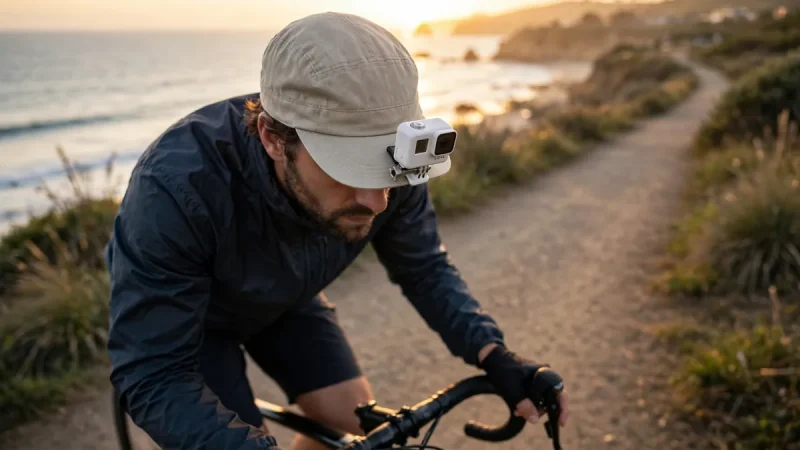
Small size changes how you plan a shoot. You clip the camera onto a cap brim easily. Alternatively, you stick it onto a fridge, a helmet, or a pet collar. Suddenly, everyday moments become filmable without a tripod.
Does tiny automatically mean fragile or toy-like? Launch coverage framed the GO 3 as a serious action camera. Insta360 already had earlier GO models behind this launch. Hence, the GO 3 arrived as a refinement, not an experiment.
Camera launches often reward this kind of comparison work. For contrast, read how Sony positioned its advanced A6700 camera for creators. Bigger sensors serve very different creative goals, of course. Knowing your own goal matters more than chasing headlines.
How Does the Magnetic Mounting System Work?
Magnets form the core of the GO 3 mounting idea. The camera snaps onto compatible mounts with a quick click. You then shoot hands-free from fresh, unusual angles. Later, you pull the camera free in one motion.
Think about cooking a family recipe in your kitchen. A magnetic pendant holds the camera at chest level. Your hands stay free for chopping, stirring, and seasoning. Viewers, meanwhile, see exactly what your own eyes see.
Now picture a cyclist rolling through a quiet neighborhood. The camera rides on a cap or chest mount steadily. Cars, curbs, and coffee stops pass through the frame naturally. As a result, the footage feels alive, not staged.
Mounting freedom also helps parents filming kids at play. Nobody wants to chase toddlers while holding a phone. A tiny mounted camera captures the chaos safely instead. You stay present in the moment, not behind glass.
What Is the Flip Touchscreen Case For?
The GO 3 pairs with a case that carries a flip touchscreen. Widely reported launch coverage highlighted this case design strongly. You dock the camera inside the case for control. Then you flip the screen for framing selfies easily.
Why does a flip screen change daily filming so much? Solo creators constantly guess whether they sit inside the frame. A flip screen removes that guesswork in seconds flat. Consequently, solo travel clips and vlogs look far more polished.
The case also extends how you handle the camera. Docked, the setup behaves more like a traditional action camera. Undocked, the tiny unit returns to invisible wearable mode. Flexibility like this suits creators who shoot varied content.
Other pocket-friendly gadgets chase a similar flexible spirit. Consider how foldable phones like the Galaxy Z Flip line rethink familiar shapes. Compact design keeps winning fans across many product categories. Small, adaptable gear simply fits modern bags and pockets.
Who Should Seriously Consider a Tiny Action Camera?
- Firstly, travelers who pack light and move fast daily.
- Secondly, parents who want hands-free family footage.
- Thirdly, cyclists, runners, and skaters who hate bulky mounts.
- Also, pet owners curious about a pet-level view.
- Finally, new creators who feel shy around big cameras.
That list shares one common thread across every entry. Convenience beats raw power for these particular shooters. They value clips they actually capture over perfect footage. A camera you carry beats a camera you leave home.
Social creators also benefit from the discreet little design. Bystanders barely notice a thumb-sized lens in public. Therefore, reactions on camera stay natural and unposed. Authentic moments usually outperform stiff, staged clips online anyway.
Students documenting field trips gain a quiet advantage too. Teachers can record experiments and demos from unique angles. Classmates then review the footage together after the lesson. Learning feels richer when everyone shares the same view.
Where Does a Tiny Camera Struggle Most?
Honesty matters here, because tiny cameras involve real trade-offs. Physics limits how much hardware fits inside small bodies. Battery expectations, therefore, need calm and realistic thinking beforehand. Always review official runtime guidance for your exact model.
Low-light scenes can challenge very small camera sensors generally. Night markets and dim concerts test any compact camera hard. Bigger cameras often handle those scenes with more ease. Hence, match your camera choice to your usual locations.
Professional filmmakers also need controls that tiny cameras simplify away. Manual settings, swappable lenses, and big monitors serve their workflow. The GO 3 concept targets a different, lighter workflow. Neither approach wins universally, because needs differ so widely.
Audio deserves a mention in this honest assessment too. Wind, distance, and crowds complicate sound on any shoot. Creators who need pristine interviews often add separate microphones. Our guide to the best noise-canceling headphones under a budget covers personal audio gear. Good sound planning lifts even simple travel footage noticeably.
How Should You Film Your First GO 3 Outing?
Step one sounds boring, yet it saves your whole day. Charge everything fully and format your storage before leaving. Then test one short clip at home first. A thirty-second test prevents a day of silent disappointment.
Step two involves picking just two mounts for the outing. Too many accessories create fuss and decision fatigue quickly. A cap clip plus one magnetic mount covers plenty. Simplicity keeps you filming instead of fiddling with gear.
Step three asks you to think in short scenes. Film the doorway, the journey, and the arrival separately. Short clips edit faster and hold attention far better. Later, you can stitch scenes into one smooth story.
Step four rewards a quick review after each stop. Glance at framing, horizon, and obvious lens smudges. Small corrections early beat regret during editing at home. In fact, pros follow this exact habit on big shoots.
What quick checks save your footage every time?
- Firstly, wipe the lens with a soft cloth.
- Secondly, check the mount holds firm with a tug.
- Thirdly, confirm recording started before the action begins.
- Also, glance at battery and storage indicators regularly.
- Finally, shoot one wide safety clip at each location.
Those five habits take under a minute combined. Yet they prevent the most common beginner heartbreaks completely. Good routines, repeated calmly, separate lucky clips from reliable results. Start building your routine on the very first outing.
How Does the GO 3 Fit a Wider Creator Kit?
Few creators rely on a single camera for everything. Phones handle quick photos and messages throughout the day. A tiny action camera then covers movement and adventure. Together, they form a light and capable everyday kit.
Phones keep getting cleverer as creative tools too. Read about an AI app that could replace your personal assistant for context. Smart software now edits, sorts, and schedules alongside you. Your camera choice sits inside that bigger smart toolkit.
Headphones and audio gear complete many creator setups. For example, launch watchers also followed news that Apple may launch new headphones with a USB-C port closely. Creators track such launches because ecosystems shape buying decisions. Compatibility today saves money and frustration tomorrow morning.
Gaming creators form another growing audience for wearable cameras. Room tours, desk setups, and event vlogs suit tiny cameras well. Meanwhile, our coverage explains why video games now lead the entertainment industry overall. Creator culture and gaming culture keep blending every year.
Collectors and hobbyists add yet another filming angle here. Unboxings, shelf tours, and convention walks reward hands-free filming greatly. Browse our gaming and collectibles coverage for that hobby world. A chest-mounted camera keeps both hands free for treasures.
How Can You Get Better Point-of-View Footage?
Point-of-view filming rewards small adjustments more than expensive accessories. Raise the camera slightly above eye level for walking shots. Lower it near handlebar height for cycling footage instead. Each angle tells the same journey very differently.
Movement speed also changes how your footage feels on screen. Slow, steady walking produces calm and watchable travel clips. Jerky head turns, meanwhile, make viewers feel deeply seasick. Therefore, turn your whole body gently when changing direction.
Light deserves planning before you press record anywhere outdoors. Morning and late afternoon light flatters people and places alike. Harsh midday sun creates deep shadows on faces quickly. Consequently, schedule your hero shots outside the midday window.
Sound planning improves point-of-view clips more than beginners expect. Step away from traffic when you narrate a moment. Shield the camera from strong wind with your body. Later, viewers will thank you for that small effort.
Practice runs at home reveal problems without any pressure. Film your hallway, garden, or local park first. Then review the clips with fresh, critical eyes immediately. Short practice sessions build confident habits surprisingly fast.
Editing choices finally decide whether viewers finish your video. Cut dead air ruthlessly, but keep natural pauses around highlights. Add context with brief captions rather than long voiceovers. In short, respect your viewer’s time at every cut.
What Questions Should You Ask Before Buying?
Is the GO 3 a real action camera or a novelty?
Launch coverage presented the GO 3 as a genuine action camera. Its maker built the GO line across several generations already. Novelty gadgets rarely survive multiple refined generations like this. Still, only hands-on reviews matching your sports count fully.
Can a camera this small really shoot hands-free?
Yes, magnetic mounting sits at the center of the design. The camera snaps onto mounts, pendants, and clips quickly. You then record point-of-view footage without holding anything at all. Always test mount strength before fast or rough activity.
What does the flip touchscreen case actually add?
The case adds a screen you can flip toward yourself. That screen helps you frame solo shots with confidence. It also gives you a more traditional camera grip. Undocked, the camera returns to its tiny wearable form.
Where should you confirm the current price and specifications?
Only the official Insta360 product page gives current answers. Prices, bundles, and specifications change after launch coverage fades. Retail listings also vary sharply between countries and seasons. Therefore, verify every figure immediately before you pay.
Should the World’s Smallest Action Camera Win You Over?
The GO 3 launch made one idea impossible to ignore. Serious filming no longer demands serious bulk or weight. A thumb-sized camera with magnetic mounts changes daily habits. For many people, that change matters more than specs.
Ask yourself one honest question before deciding anything today. Will a tiny camera make you film more often? If the answer feels like a clear yes, pay attention. Cameras earn their keep through use, not shelf time.
Start small if you decide to explore this category. Borrow, rent, or test similar gear where possible first. Then compare the experience against your phone footage honestly. Your own hands will teach you faster than adverts.
Ready to rethink what an action camera can look like? The GO 3 shows how small serious gear can get. Keep your needs first and the hype second, always. That mindset serves you well with every gadget launch.
Share your first clips with friends and study their reactions honestly. Genuine smiles and requests for more footage tell you plenty. Gear succeeds when it quietly helps your stories connect with people.

