
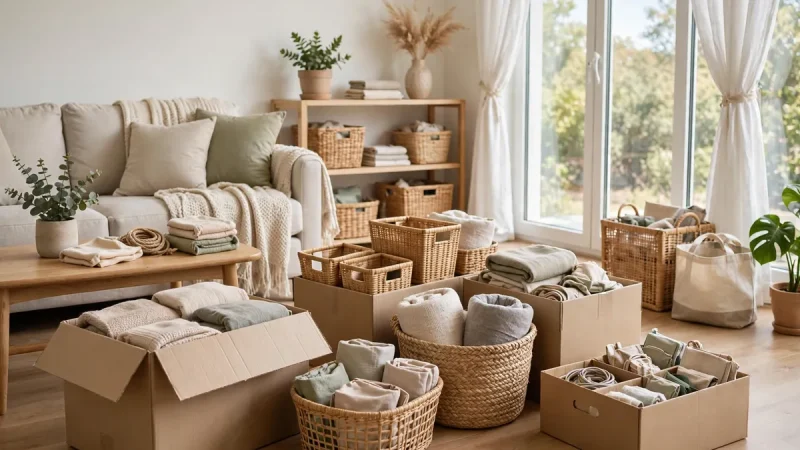

How to start decluttering when you feel overwhelmed?
Learning how to start decluttering when you feel overwhelmed changes everything. So start tiny, and start with one visible win. For example, clear one kitchen counter or one chair today. Then stop, enjoy the clear space, and notice the relief. As a result, your brain links tidying with reward, not dread.
Next, pick the room that annoys you most each morning. Perhaps the hallway trips you, or the bedroom chair hides under clothes. However, you should skip sentimental boxes and photo albums for now. Instead, save those tender items for a later, stronger day. Why tackle the hardest memories when you still feel shaky?
What should you gather before your first session?
You need very little kit for a strong start. First, grab four bags or boxes and a marker pen. Then add a timer, a water bottle, and your favourite music. Also, keep a small notepad nearby for stray thoughts and tasks. In fact, this tiny kit removes most excuses before they form.
Your room by room decluttering checklist at a glance
This room by room decluttering checklist keeps your whole project simple. First, the living room, because guests and family see it daily. Then the kitchen, the bedroom, and the bathroom follow in order. Next, you tackle the home office, the hallway, and hidden storage spots. Finally, you finish with a quick whole-home reset walk.
- Living room: clear surfaces, sort media, and edit decor.
- Kitchen: empty counters, then sort cabinets by daily use.
- Bedroom: sort the closet, drawers, and bedside tables.
- Bathroom: toss expired products and group daily items.
- Home office: clear the desk and tame paper piles.
- Hallway and entry: sort shoes, coats, bags, and post.
- Storage spots: review under-bed boxes and top shelves.
Of course, your home may swap this order around a little. For instance, a tiny flat may merge the office and bedroom. However, the sequence matters less than steady, honest progress.
The keep donate trash relocate sorting method, explained simply
The keep donate trash relocate sorting method gives every item a home. First, label four boxes with those four clear words. Then pick up each item and choose one box, fast. Also, set a rule that nothing stays in your hands twice. As a result, piles shrink instead of drifting around the room.
Keep means the item earns its space in this room. Donate means the item still works but no longer serves you. Trash covers broken, stained, or worn-out things with no life left. Relocate means the item belongs in another room, not this one. So simple, yet this clarity ends most decluttering arguments at home.
How do you decide fast without regret?
You ask three quick questions about each single item. First, have you used it in the past year at home? Then, would you buy this exact item again today? Finally, does it have a clear home that you can name? If an item fails all three tests, it leaves today.
However, some items spark a genuine, warm tug of love. In that case, you keep them and display them with pride. For example, a beloved photo deserves a frame, not a drawer. In fact, decluttering protects your treasures by removing the noise around them.
How to clear living room surfaces?
Start here, because this room sets the tone for your home. Knowing how to clear living room surfaces gives you a fast, visible win. First, carry every loose item to the kitchen table in one trip. Then wipe the empty shelves, tables, and window sills clean. Only then do a few loved pieces earn their place back.
Next, sort the pile on the table with your four boxes. Books go back to one shelf, in one tidy row. Remotes live in one small tray near the sofa, always. Also, chargers move to one basket, not five random corners. Consequently, the room stays clear because everything now has an address.
What belongs on display, and what should hide away?
Display only items that make you smile at first glance. For example, one plant, one photo, and one candle calm a shelf. In contrast, stacks of post, receipts, and cables create instant visual noise.
Your TV zone deserves the same honest edit, by the way. A wide, crowded stand makes even a clean room feel busy. If you plan a new setup, a guide to a stylish entertainment centre for your living room can spark ideas. However, you buy nothing until the sort ends, please. First the edit, then the upgrade, in that strict order.
How to declutter kitchen counters and cabinets?
Your kitchen works hard, so it deserves a ruthless but kind edit. This section covers how to declutter kitchen counters and cabinets in one session. First, empty one counter fully and wash the clear surface. Then return only the items you use every single day. Everything else moves into a cabinet, a box, or the donate bag.
Most counters hold far too many hopeful gadgets and tools. For example, that bread maker may serve you twice a year. Meanwhile, your kettle and chopping board earn daily keep status. So store rare gadgets high up or pass them on. As a result, cooking feels faster and cleaning feels lighter.
How should you sort cabinets so cooking stays easy?
Group cabinet items by job, not by shape or size. First, cluster daily plates and mugs near the dishwasher. Then place pots beside the stove, within one easy step. Next, store baking gear together, even if you bake rarely. Finally, give spices one shelf or one turning tray.
Also, check dates on food as you sort each shelf. Toss stale packets and donate sealed extras you will never use. Then line up tins with labels facing forward, in rows. In fact, a visible pantry stops duplicate buying almost overnight. Does your spice shelf currently hide three jars of paprika?
Once the sort ends, a deep clean rewards your hard work. Many readers then book a thorough home cleaning service for a fresh start in busy weeks. However, a friend, a playlist, and one free afternoon work too. Either way, you protect the result with a nightly reset.
How to declutter a bedroom closet
A calm bedroom starts behind the closet door, believe me. Learning how to declutter a bedroom closet takes one honest hour. First, pull out every item of clothing, yes, every one. Then lay the clothes on the bed in clear groups. Tops, trousers, dresses, and gym gear each get a pile.
Next, try on anything that you cannot picture clearly. Does it fit your body and your life right now? If the answer is no, the donate bag gains a piece. Also, mend small faults this week or release the item. Consequently, your closet holds only clothes that truly work today.
How does the one year rule for clothes decluttering work?
The one year rule for clothes decluttering keeps decisions honest and kind. Simply put, unworn clothes from a full year usually leave. However, wedding outfits and heavy winter coats earn a fair pass. In contrast, someday jeans and guilt gifts rarely earn one. So thank each piece, then let it serve someone else.
Then hang the keepers back in groups, by type and colour. First come daily favourites at eye level, within easy reach. Next come work outfits, then occasion pieces at the far end. Also, leave small gaps between hangers, on purpose, every time. In fact, breathing space stops a closet sliding back into chaos.
Decluttering bathroom expired products without the guesswork
Start the bathroom sort with decluttering bathroom expired products first. Old medicines, sunscreens, and makeup lose strength and gather germs. First, gather every bottle and tube onto one towel. Then read each label and check the small open-jar symbol. Most opened products last six to twelve months, as a guide.
Next, smell and look at each item with honest eyes. Gritty creams, split lotions, and odd smells signal the bin. Also, separate medicines and take them to a local pharmacy scheme. Your council or pharmacy can advise on safe disposal routes. As a result, your shelves hold only fresh, safe products.
How do you stop bathroom clutter creeping back?
Give each person one small caddy or one shelf section. Daily items live there, and extras live nowhere else at all. Also, keep counters clear except for soap and one hand towel.
While the shelves sit empty, check tiles and corners closely. Stained grout makes a tidy room look tired and unloved. These deep grout cleaning tips for a fresher bathroom explain why that detail matters. However, you tackle grout after the sort, never before it. First the clutter leaves, then the sparkle arrives, in order.
How to declutter a home office desk
A clear desk clears your head before your first email lands. This is how to declutter a home office desk in one sitting. First, remove everything, cables and all, onto the floor nearby. Then wipe the desk and return only your daily work tools. Laptop, notebook, pen pot, and lamp usually cover real needs.
Next, sort cables into keep, spare, and mystery piles honestly. Label each keeper with tape so future you stays calm. Also, fix one charging spot and defend it daily. For a smarter setup, these smart home devices you did not know you needed offer fun ideas. However, you add tech only after the desk clears fully.
How to organise paper clutter at home without piles?
Paper piles grow because each sheet lacks a clear next step. Learning how to organise paper clutter at home fixes that gap. First, sort post into four trays: act, file, recycle, and shred. Then touch each new letter once and place it straight away. As a result, piles never form in the first place.
Also, go digital where a paper copy adds no value. Scan key documents and name files with dates first. Then back the folder up in one safe extra place.
Under bed storage clutter solutions and the forgotten corners
Hidden spots quietly collect the items we avoid deciding about. Good under bed storage clutter solutions start with total honesty. First, pull every box and bag into the daylight. Then open each one and sort with your four boxes. Dusty keepsakes often shrink to one small, loved box.
Next, store only flat, seasonal items under the bed itself. For example, spare bedding and winter jumpers suit that low space. In contrast, daily shoes and work files belong in open reach. Also, choose low boxes with lids so dust stays out. Then slide them back with labels facing the room.
What should you check in the hallway and entry?
Your entry sets the mood for every single homecoming. First, give each person one hook and one shoe spot. Then move extra coats to bedroom closets or the donate bag. Also, place one small bowl for keys, in one fixed spot. Consequently, mornings start calmer and nobody hunts for lost keys.
While you sort the entry, think about safety for a moment. Clear exits, steady rails, and tidy cables protect everyone at home. These cheap ways to improve home security pair well with entry tidying. However, keep the focus on clutter until this room ends. Then note one or two safety jobs for next weekend.
Garages and balconies deserve a final, honest sweep as well. Outdoor gear often overflows into every indoor corner over time. If you dream of calmer outdoor space, these backyard designs that increase home value can inspire your plan. Still, you sort and donate before you design or buy. First comes clear space, then comes the pretty upgrade.
The 15 minute declutter timer method for busy days
Short bursts beat heroic weekend purges for most busy people. The 15 minute declutter timer method turns tidying into a game. First, pick one drawer, shelf, or corner with clear edges. Then set a timer and sort fast, with music on. When the timer rings, you stop, even mid-shelf, guilt free.
Also, take the donate bag out before your next session starts. Otherwise, sorted clutter creeps back onto shelves within days. In fact, one short burst a day clears a room weekly. Could your mornings spare fifteen minutes for a calmer home?
Decluttering mistakes to avoid from day one
Most setbacks come from a few classic decluttering mistakes to avoid. The biggest one is buying storage boxes before you sort anything. Boxes then hide clutter instead of removing it from your home. So sort first, measure second, and buy last, if at all. This order alone saves money and cupboard space for years.
Another classic trap is the harsh, all-at-once weekend purge. You empty every cupboard, lose heart, and live in chaos. Instead, finish one room fully before you start the next. Also, avoid sorting other people’s things without their say. In contrast, shared spaces need shared rules and shared choices.
Why does the maybe pile slow you down?
A maybe pile feels kind, but it quietly doubles your work. Each item then needs a second decision on another day. So allow one small maybe box, with a firm review date. Then donate anything that you forgot you even stored there. As a result, decisions stick and rooms stay finished longer.
Perfection also slows beginners more than clutter itself, honestly. A lived-in home holds coats, toys, and signs of life. Therefore, you aim for calm and easy resets, not showroom corners. In fact, good enough today beats perfect plans next month. Does your home need magazine looks, or easy daily living?
How to maintain a clutter free home for good?
The last skill is how to maintain a clutter free home daily. Small resets protect the hours you spent sorting each room. First, spend ten minutes each evening returning items to their homes. Then clear kitchen counters before bed, every single night. As a result, you wake to calm instead of yesterday’s mess.
How does the one in one out rule for clutter help?
The one in one out rule for clutter keeps numbers steady forever. One new jumper arrives, so one old jumper leaves that day. One new book lands, so one old book finds the donate bag. Also, the rule covers toys, mugs, gadgets, and shoes equally. Consequently, shops become calmer because each purchase carries a swap.
For bigger household fixes that sit beyond tidying, help exists. Readers planning repairs often compare a trusted home services team for bigger jobs before they book. However, daily habits still decide whether rooms stay clear. No service can out-tidy a home with no reset routine.
Which simple minimalist home habits make the biggest difference?
Start with simple minimalist home habits that fit your real life. First, give every new item a home before it enters. Then keep one donate bag active in a closet forever. Next, review one small zone each week, on a set day. Finally, pause before each buy and picture its storage spot.
Also, teach the whole household the same few clear rules. Kids can own one toy box and one bookshelf limit. In fact, shared habits beat one keen person’s lonely effort. So write your rules down and stick them on the fridge.
Your home will never stay perfect, and that is fine. However, you now own a method that restores calm fast. Ready to pick your first room and set that timer?
Frequently asked questions
Where should a total beginner start decluttering first?
Start with the room you see first each morning. For example, a clear hallway or kitchen counter lifts your mood fast. Then ride that early win into the next small space. Small wins build trust in the method and in yourself.
How long does a full home declutter usually take?
Most beginners finish one room per session, over several weekends. However, your pace depends on home size and clutter levels. In fact, steady weekly sessions beat one exhausting purge every time. So book short sessions and protect them like real plans.
What should you do with items you feel guilty about?
Thank the item for its lesson, then let it go kindly. For instance, a gift can leave without the giver losing love. Also, a photo of the item keeps the memory safely. As a result, your home keeps meaning, not guilt piles.
How do you declutter when other people keep adding clutter?
Agree shared zones and personal zones with everyone at home. First, each person controls their own shelf, box, or drawer. Then shared surfaces stay clear by one simple household rule. In contrast, secret throwing sparks rows and breaks trust fast.
Should you buy storage boxes before you start sorting?
No, you buy storage only after the sort fully ends. Otherwise, new boxes hide clutter and waste your hard-earned money. First, use bags and spare boxes that you already own. Then measure the keepers and buy only exact fits.
How often should you repeat the room by room sort?
Repeat one light room review every few months, by season. For example, spring suits closets and autumn suits entryways well. Also, the nightly ten-minute reset handles daily drift between reviews. Consequently, big purges become rare, short, and oddly satisfying.

