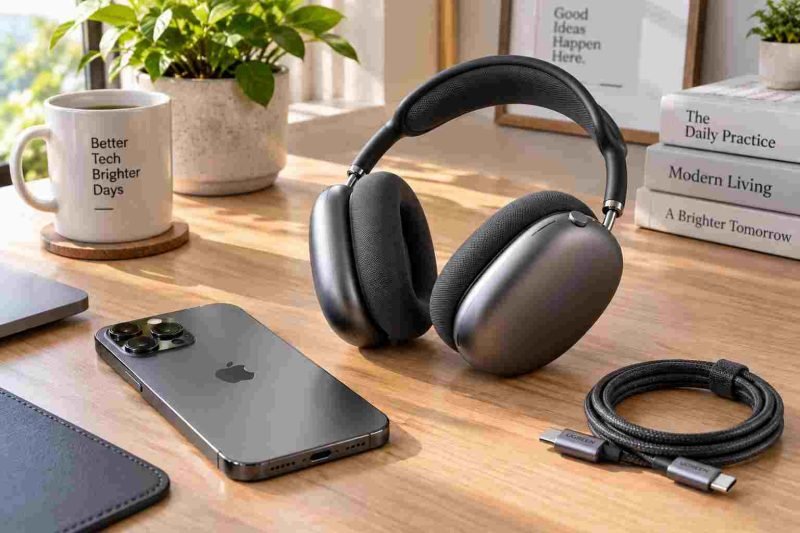

Discerning audiophiles seek more than cosmetic updates when evaluating premium personal audio gear. In addition, they expect enhanced acoustic performance, refined active noise cancellation, extended battery endurance, and seamless multi-device pairing. By browsing through specialized product analysis and gadget insights in our dedicated technology category archive, consumers can evaluate modern mobile hardware with confidence. In this comprehensive guide, we explore the primary factors driving Apple’s shift toward universal connectivity. Furthermore, we examine expected acoustic specifications, battery charging improvements, and competitive market dynamics. Finally, we provide a step-by-step buyer roadmap and audio health recommendations to guide your next headphone upgrade.
The Global Shift Toward Universal USB-C Connectivity
For more than a decade, proprietary charging connectors defined personal mobile hardware. Specifically, the Lightning connector served millions of smartphone and headphone users with dependable power delivery. However, international regulatory bodies and global consumers have consistently demanded standardized charging cables to reduce electronic waste. Most notably, European Union regulations enacted mandatory universal charging directives for portable consumer electronics.
Consequently, hardware engineers began redesigning popular consumer lineups to incorporate standard reversible ports. The transition started across professional laptop computers and tablets before reaching flagship smartphones. Now, personal audio devices represent the final frontier in establishing a unified single-cable ecosystem. In fact, carrying one universal charging cable for your laptop, tablet, and over-ear headphones simplifies travel logistics immensely. As a result, consumers enjoy unprecedented convenience while minimizing clutter across their home workspaces and travel bags.
In addition, executing broad technological transitions mirrors strategic commercial development frameworks. For example, corporate operational models detailed in scaling business services growth highlight the necessity of unified structural standards. Similarly, market analyses in small business growth and marketing analysis demonstrate that consumer-aligned improvements drive lasting brand loyalty. Standardizing charging hardware reflects these exact principles to deliver an intuitive consumer experience.
Anticipated Technical Specifications and Audio Engineering
Transitioning to a modern reversible charging port provides significant technical advantages beyond mere cable convenience. Modern port architecture enables higher data transfer bandwidth and bidirectional power delivery. Therefore, hardware designers can implement advanced digital audio capabilities that older analog-wired connectors struggled to support.
| Hardware Feature | Previous Generation Standard | Anticipated USB-C Model | Primary User Benefit |
|---|---|---|---|
| Charging Interface | Proprietary Lightning Port | Universal USB-C Port | Single-cable charging compatibility across devices |
| Wired Audio Playback | Compressed analog audio conversion | Lossless 24-bit digital audio streaming | Studio-grade fidelity for critical listening sessions |
| Audio Processing Chip | First-generation acoustic silicon | Next-generation computational audio chip | Faster noise cancellation processing and adaptive audio |
| Bluetooth Standard | Legacy wireless connection | Modern low-energy Bluetooth standard | Enhanced connection stability and reduced latency |
Enhanced Acoustic Architecture and High-Resolution Audio
Modern audio enthusiasts demand pristine sound clarity across all dynamic frequencies. Specifically, the upcoming hardware revision is expected to support true lossless digital audio over a direct wired connection. Older proprietary interfaces required external digital-to-analog converters that introduced subtle compression artifacts. In contrast, modern digital port connectivity delivers uncompressed audio streams straight to internal speaker drivers. Consequently, listeners can experience studio-grade fidelity when streaming high-resolution classical concerts, orchestral soundtracks, and detailed acoustic recordings.
Next-Generation Active Noise Cancellation and Adaptive Audio
Active noise cancellation relies on powerful computational algorithms that sample environmental noise hundreds of times per second. Upgraded processing silicon allows the headphones to adjust acoustic filters dynamically as your surrounding environment shifts. For example, moving from a quiet indoor office to a noisy subway car triggers immediate computational adjustments. Furthermore, improved transparency modes blend external speech naturally while suppressing disruptive background construction hums. As a result, users enjoy uninterrupted focus during busy workdays.
Battery Longevity and Fast-Charging Performance
Battery endurance represents a vital consideration for frequent travelers and remote professionals. The anticipated headphone update combines energy-efficient processing chips with modern power management firmware. Consequently, total wireless playback time is expected to expand comfortably past thirty hours on a single charge. Furthermore, updated power delivery protocols support rapid top-ups during brief travel layovers. Plugging the headphones into a high-wattage power adapter for just ten minutes can provide several hours of continuous listening. Therefore, commuters never find themselves stranded without their favorite music during long journeys.
Competitive Dynamics in the Premium Headphone Sector
The premium over-ear personal audio sector represents an intensely competitive global commercial arena. Traditional audio manufacturers and consumer tech titans compete vigorously for market share among discerning listeners. Major competitors offer flagship noise-canceling models that feature lightweight frames, multi-point device connectivity, and customizable equalizer settings.
Specifically, several industry benchmarks define the premium headphone space:
- Acoustic Precision: Custom-tuned dynamic drivers that produce deep, controlled bass without muddying delicate mid-range vocal frequencies.
- Ergonomic Comfort: Memory foam ear cushions wrapped in breathable fabrics that prevent heat accumulation during multi-hour listening sessions.
- Structural Build Quality: Lightweight aluminum and stainless-steel headband assemblies that withstand daily flex without creaking.
- Microphone Clarity: Beamforming microphone arrays that isolate human voice frequencies cleanly during outdoor business calls.
Furthermore, updating legacy charging ports allows the manufacturer to compete effectively against rival flagship models. Consumers increasingly refuse to purchase expensive audio gear that requires outdated cables. Therefore, adopting standardized hardware ensures strong commercial relevance across global retail markets.
Commercial Tech Manufacturing, Supply Chains, and Equipment Financing
Bringing millions of premium audio units to global retail shelves requires complex manufacturing infrastructure. Specialized assembly lines utilize automated robotic arms, precision acoustic testing chambers, and cleanroom packaging facilities. Furthermore, electronics manufacturers must maintain strong capital reserves to purchase advanced tooling machinery and specialized diagnostic equipment.
Consumer electronics enterprises frequently manage industrial capital investments through specialized corporate financing programs. For instance, manufacturing suppliers evaluate asset funding options like Northmill equipment finance to secure advanced assembly machinery while preserving liquid reserves. In addition, growing technology firms explore commercial credit lines such as Navitas financial solutions to fund component inventory expansions. Real estate sponsors also analyze institutional industrial debt structures detailed in Lument real estate capital investments. Meanwhile, memorable consumer electronics branding draws inspiration from creative design principles in Flowfury Entertainment logo strategies.
Auditory Wellness, Listening Safety, and Daily Balance
Enjoying rich personal audio is deeply rewarding, but maintaining responsible listening habits protects long-term sensory health. Modern over-ear headphones create an isolated acoustic seal that can easily produce elevated decibel levels. Prolonged exposure to high sound volumes can gradually damage delicate inner-ear hair cells, causing irreversible auditory fatigue.
Moreover, committing to balanced daily routines supports overall cognitive and physical health. For example, staying active throughout the week promotes cardiovascular stamina, aligning with healthy habits like exercising 40 minutes every day with your favorite motivational playlist. In addition, enjoying an early evening meal improves digestion and promotes restful sleep, reflecting principles discussed in benefits of early dinner for digestion. Many mindful listeners also design peaceful domestic spaces inspired by the nature-focused lifestyle principles of balanced lifestyle luxury and wellness.
Furthermore, maintaining overall personal wellness involves regular consultations with trusted healthcare providers for routine hearing screenings. Respected regional healthcare networks, including community clinics like the Muskingum Valley Health Center and public health agencies like the Gastonia Health Department, emphasize preventive auditory health and decibel awareness. Meanwhile, consumer electronics brands expanding their visibility in competitive metropolitan markets can evaluate multi-channel promotional models through advertising marketing growth in Los Angeles.
Digital Ecosystem Integration and Smart Audio Features
One of the primary competitive strengths of modern personal audio devices is seamless software integration. When headphones connect effortlessly across your digital ecosystem, the overall user experience feels magical. Switching audio output from your laptop during a video conference to your smartphone for an incoming phone call happens instantaneously without manual menu navigation.
Specifically, advanced software features enhance daily audio consumption:
- Spatial Audio with Dynamic Head Tracking: Gyroscopic sensors monitor head movements to place sound sources accurately in three-dimensional virtual space.
- Personalized Volume Calibration: Onboard microphones monitor acoustic pressure inside the ear cup to adjust volume curves automatically for individual ear shapes.
- Voice Clarity Processing: Computational filters isolate spoken words from wind noise and background traffic during outdoor calls.
- Find My Network Integration: Encrypted crowdsourced tracking helps owners locate misplaced headphones accurately on a digital map.
Consequently, the headphones function as an intelligent acoustic extension of your personal computing devices rather than simple passive speakers.
Environmental Sustainability and Materials Sourcing
Modern consumers evaluate the ecological impact of consumer electronics before making major purchasing decisions. Mining raw materials and manufacturing consumer electronics consume substantial energy resources. Therefore, leading hardware brands increasingly prioritize sustainable manufacturing practices across their product lines.
The upcoming headphone release is expected to incorporate extensive recycled materials. For instance, the ear cups utilize recycled aerospace-grade aluminum, while internal magnet assemblies rely on recycled rare earth elements. Furthermore, the headband mesh incorporates recycled polyester textiles that reduce reliance on virgin plastics. In addition, adopting standardized charging cables eliminates millions of redundant plastic cords from future municipal waste streams. As a result, eco-conscious consumers can invest in premier audio gear with greater environmental confidence.
Step-by-Step Guide: How to Prepare for the New Headphone Release
Preparing for an upcoming consumer electronics release ensures that you secure your new hardware smoothly upon launch. Follow this structured roadmap to optimize your upcoming headphone purchase:
- Assess Your Current Audio Hardware: Inspect your existing headphones to determine whether battery degradation, worn ear cushions, or connection issues justify an immediate upgrade.
- Verify Device Compatibility: Confirm that your smartphones, tablets, and computers run current operating software capable of supporting advanced spatial audio features.
- Audit Your Cable Inventory: Gather your existing high-wattage charging bricks and universal cables to ensure seamless charging compatibility at home and work.
- Evaluate Trade-In Opportunities: Check official trade-in valuation programs for your older audio gear to offset the retail cost of your new purchase.
- Monitor Official Keynote Announcements: Follow official media briefings next month to confirm final pricing, color finishes, and delivery availability dates.
- Configure Sound Safety Settings: Once your new headphones arrive, configure decibel limits in your device settings to protect your hearing during long listening sessions.
Following this organized process guarantees that your transition to the newest personal audio hardware remains rewarding, efficient, and cost-effective.
Frequently Asked Questions About the Upcoming Apple Headphones
Which headphone models are expected to receive the USB-C update next month?
Industry analysts anticipate that Apple will update its flagship over-ear AirPods Max lineup with a native USB-C port, bringing it into full alignment with recent iPhone, iPad, and Mac hardware standards.
Will the new USB-C port support lossless wired audio playback?
Yes, transitioning to a high-speed digital port allows direct digital audio transmission, enabling true lossless audio playback when connected to compatible source devices via a standard cable.
Will the upcoming update include new exterior color finishes?
Supply chain reports indicate that alongside the updated port, Apple will likely introduce refreshed exterior color options to modernize the aesthetic appeal of the premium over-ear line.
Can I use my existing USB-C laptop charger to charge the new headphones?
Absolutely, the universal port design ensures that you can safely charge the headphones using any standard cable and compatible power delivery wall adapter.
Conclusion: The Future of Personal Audio is Universal
The anticipated launch of updated headphones featuring a modern universal port represents a major victory for consumer convenience. Standardizing charging hardware across premium personal audio gear eliminates frustrating cable clutter while unlocking superior digital audio performance. Combined with industry-leading computational noise cancellation and refined acoustic engineering, the upcoming release promises to set a high standard for modern mobile audio.
Whether you are an audiophile seeking pristine sound fidelity, a busy professional managing remote calls, or a frequent traveler in search of peaceful transit, universal connectivity elevates your daily listening experience. Stay tuned for official announcements next month and prepare to embrace the next generation of seamless personal audio!