
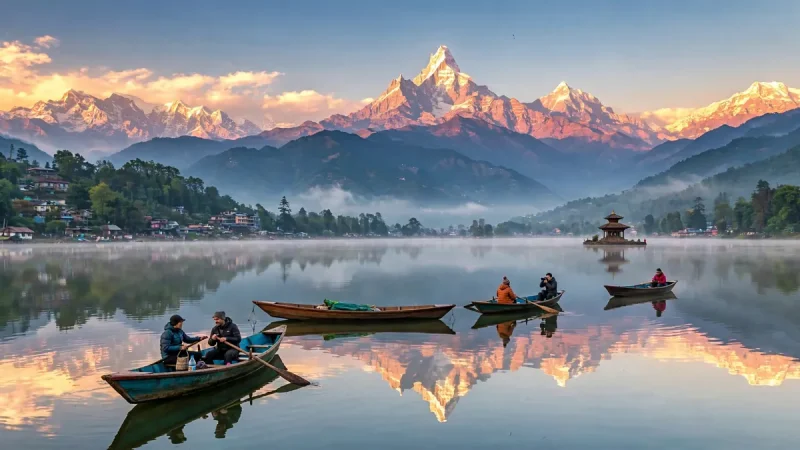

Nepal asks you a question before you even arrive. Do you want mountains, culture, wildlife, or quiet? Honestly, most visitors want all four at once. Luckily, this small country packs them tightly together. Kathmandu temples sit hours from jungle plains. Pokhara lakes, meanwhile, reflect peaks that trekkers chase worldwide. So this guide works like a decision tool, really.
First, decide what kind of traveller you are today. Culture seekers should start in the Kathmandu Valley. Trekkers, in contrast, must choose Everest or Annapurna. Wildlife fans head south to Chitwan instead. Spiritual travellers, meanwhile, often finish in Lumbini. By the end, you will know your route. Ready to choose your Nepal?
Kathmandu Valley, Your Culture-First Starting Point
Almost every Nepal journey begins in Kathmandu. The capital feels chaotic, colourful, and completely alive. Motorbikes weave past temples, and prayer flags flutter overhead. Durbar Square holds palaces and carved wooden windows. Swayambhunath, meanwhile, watches the city from its hilltop. Monkeys patrol that stupa, so guard your snacks.
Patan sits just across the river from Kathmandu. Its Durbar Square feels calmer and more artistic. Metalworkers and woodcarvers still practise traditional crafts there. The Patan Museum explains Newari art beautifully, too. Bhaktapur, in contrast, feels like a living medieval town. Pottery Square spins with wheels and drying pots there.
Try this simple first-day rhythm in the valley. Visit one major temple early in the morning. Then wander Thamel slowly for maps and momos. After lunch, explore one square without any plan. Finally, watch sunset from Swayambhunath if energy allows. Does that sound gentle enough for day one?
Pashupatinath Temple adds a deeper, spiritual layer nearby. Hindu pilgrims gather along the Bagmati River there. Visitors should observe ceremonies respectfully and quietly. Boudhanath Stupa, meanwhile, draws Tibetan Buddhist communities daily. Pilgrims circle the huge white dome at dusk. Tea shops overlook that circle, so linger awhile. Culture lovers comparing Asia routes also enjoy the list of places to visit in Mumbai for heritage ideas.
Decision One: Everest Region or Annapurna Region?
Trekkers face Nepal’s biggest and happiest dilemma here. Everest promises the world’s highest and most famous peak. Annapurna, in contrast, promises variety in fewer days. Both regions deliver teahouses, prayer walls, and huge views. Your time, fitness, and comfort decide between them. So let us compare them honestly, side by side.
Why choose the Everest region?
Everest Base Camp remains a bucket-list trek worldwide. The trail passes through Sherpa villages like Namche Bazaar. Suspension bridges swing above deep river gorges there. Monasteries at Tengboche frame Ama Dablam beautifully, too. Finally, Kala Patthar offers the classic Everest viewpoint. That sunrise moment explains the trek’s fame instantly.
The costs, however, deserve honest attention here. Flights to Lukla depend heavily on mountain weather. Delays happen, so buffer days matter enormously. Altitude also rises quickly on this route. Careful acclimatisation days protect your health and enjoyment. Always check current official guidance before you trek. Licensed local guides also add safety and insight.
Why choose the Annapurna region?
Annapurna suits trekkers with less time available. Trails start near Pokhara, so access feels easy. The Annapurna Circuit crosses deserts, forests, and high passes. Shorter treks, meanwhile, reach Poon Hill for sunrise. Gurung villages welcome walkers with dal bhat refills. Rhododendron forests bloom red during spring walks there.
Variety becomes Annapurna’s strongest selling point overall. One week brings terraced fields and waterfalls daily. The next week, in contrast, brings dry Mustang-like landscapes. Muktinath temple draws Hindu and Buddhist pilgrims together. So the region mixes nature and culture perfectly. Himalaya fans also compare routes with places to visit in Leh and Ladakh across the border.
Pokhara, the Lakeside Reset Button
Pokhara slows everyone down in the best way. Phewa Lake mirrors the Annapurna range on clear mornings. Boats drift toward the small Tal Barahi Temple. Cafés line the lakeside, and paragliders circle overhead. After a trek, honestly, nowhere feels more restorative. Hot showers and bakeries complete the recovery process.
Short adventures fill easy days in Pokhara. The World Peace Pagoda rewards a morning hike uphill. Sarangkot, meanwhile, delivers sunrise views over Machhapuchhre. Caves and waterfalls sit surprisingly close to town. Davis Falls crashes into a deep underground channel. Gupteshwor Cave lies just across the road there.
Try this if you only have one day. Row on the lake before breakfast crowds arrive. Then visit the International Mountain Museum after lunch. Its exhibits honour climbers and mountain cultures well. Finally, eat lakeside while the peaks turn pink. Would you still call Pokhara just a stopover?
Trekkers use Pokhara as a practical base too. Gear shops rent jackets, poles, and sleeping bags. Buses and jeeps connect trailheads from here daily. Always confirm current road and permit details officially. Rules and checkpoints can change, so verify first. Island-and-mountain dreamers may also like the best places to visit in Sri Lanka afterwards.
Chitwan, Where Nepal Turns Tropical
Chitwan surprises visitors who expect only snow. This southern jungle feels hot, green, and wild. One-horned rhinos graze in the tall grasslands there. Crocodiles rest along the Rapti River banks quietly. Birdlife fills the mornings with constant sound. So Nepal suddenly feels like a different country.
Safaris here work differently from African drives. Rangers lead jeep trips and guided jungle walks. Canoe rides, meanwhile, glide past marsh mugger crocodiles. Sightings never come with any guarantee, of course. Tigers stay famously elusive in this park. Rhinos, however, appear far more regularly for visitors.
Tharu villages border the park near Sauraha. Cultural shows share stick dances and traditions there. Homestays offer a quieter base than big resorts. For example, a village bike ride feels wonderfully simple. Rice fields, mustard flowers, and water buffalo pass by. Families comparing gentle nature trips often check which is the best place to visit in Kerala too.
Respect the jungle rules without any exception here. Follow your guide’s instructions at all times, please. Keep distance from wildlife, and never wander alone. Check park entry rules on official sources beforehand. Seasonal river levels also affect activities in Chitwan. Flexibility, therefore, keeps a jungle trip enjoyable.
Lumbini and the Far West for Slow Travellers
Lumbini offers Nepal’s quietest and most reflective stop. Buddha was born here, and gardens protect the site. Monasteries from many countries surround the sacred ponds. Each temple reflects a different Buddhist tradition beautifully. Cyclists ride between them under shady trees daily. The mood stays peaceful, even during busy periods.
Rara Lake rewards travellers who go further west. It is Nepal’s largest lake, surrounded by pine forest. Fewer visitors reach this remote northwestern region. Trails and roads there demand time and patience. The payoff, however, feels wild and deeply quiet. Photographers love the changing light on the water.
Bandipur makes an easier slow-travel detour instead. This hilltop town preserves Newari trading architecture. Traffic-free streets lead to cafés and viewpoints. Sunsets light the Annapurna and Dhaulagiri ranges clearly. So overnight here rather than rushing past, please. Slow travellers planning wider Asia trips browse Japan’s best places to visit in summer next.
What Should You Eat and Drink in Nepal?
Food quietly becomes a highlight in Nepal. Dal bhat powers trekkers up every single hill. Lentil soup, rice, vegetables, and pickles refill endlessly. Teahouses take pride in generous second servings, too. Eat where the trekkers gather, because turnover stays fresh. Garlic soup also appears on high menus everywhere.
Momos steal hearts in every valley town. These steamed dumplings hide spiced vegetables or meat. Chilli and tomato sauces arrive on the side. Fried kothey versions, meanwhile, crisp beautifully in pans. Try jhol momos swimming in sesame soup sometime. Buff momos divide opinion, yet locals order them often.
Newari cuisine rewards curious eaters in the valley. Samay baji plates combine beaten rice and spiced meats. Chatamari resembles a thin, topped rice crepe. Yomari, in contrast, arrives sweet during winter festivals. Sweet shops hide it inside fish-shaped rice dough. Ask locals where they eat, and follow them.
Drinks shift with altitude and region here. Masala tea warms mornings in Kathmandu cafés daily. Butter tea appears in high mountain communities instead. Chang and tongba mark celebrations in hill villages. Drink cautiously at altitude, because alcohol hits harder. Hydration matters more than celebration up high, always.
Try this food rule on any route. Order the local special once every day. Share plates with your table, and compare notes. Markets also teach you ingredients before meals arrive. Cooking classes in Kathmandu turn recipes into souvenirs. Your stomach, honestly, will remember Nepal fondly.
Safety, Permits, and Altitude Without the Panic
Mountain safety starts with honest pacing, always. Altitude sickness can affect anyone, regardless of fitness. Therefore, build acclimatisation days into every high trek. Climb gradually, hydrate well, and sleep lower when possible. Descend promptly if serious symptoms appear, without debate. Official health guidance should shape your final plan.
Permits apply on most major trekking routes. Protected areas and national parks manage entry separately. Requirements change, so check official Nepal sources first. Your guide or agency can confirm current paperwork. Carry copies of documents on the trail, too. Weather checks also matter before high passes, obviously.
Seasons shape safety and scenery together here. Spring brings rhododendrons and busy Everest trails. Autumn, meanwhile, brings clearer skies after monsoon rains. Winter suits lower treks and cultural touring better. Monsoon suits Chitwan and valley culture, with leech warnings. Border-region planners sometimes compare notes with the best places to visit in North Sikkim as well.
Pack for four seasons inside one trip. Kathmandu afternoons can feel warm and dusty. High villages, in contrast, freeze after sunset quickly. Layers, sun protection, and broken-in boots matter hugely. Cash also matters, because mountain ATMs stay unreliable. Small notes help teahouses and porters every day.
Your Nepal Decision Checklist
Still torn between routes and regions here? Run through this quick checklist honestly, then decide.
- Choose the valley first if culture excites you most.
- Choose Everest for fame, but add buffer days.
- Choose Annapurna for variety in less time.
- Choose Chitwan if wildlife tops your list.
- Choose Lumbini when quiet reflection matters most.
- Choose Pokhara always, because everyone needs a reset.
Two weeks allows one trek plus culture comfortably. Three weeks, meanwhile, allows a jungle detour too. Short trips should protect Pokhara and the valley. Long trips can add Bandipur or Rara slowly. Cross-border dreamers also research the most popular places to visit in China for extensions. City-first travellers sometimes start with places to visit in Kuala Lumpur city en route.
So what are the best places to visit in Nepal for you? Your honest answer now shapes a real route. Pick mountains with respect, and culture with curiosity. Add wildlife, lakes, and one sacred garden too. Nepal rarely fits a single label, thankfully. That beautiful variety is exactly the point here. Pack light, walk slowly, and greet people with namaste. Small kindnesses open doors across every region here. Your route will surprise you anyway, so enjoy it.

